
80% of pharma companies have new product planning groups on brand commercialization committees during early-stage development
Internal functions are key for companies' committees across stages of development.
A new study of pharmaceutical brand teams found that during the preclinical and Phase I stages of development, 80% of surveyed companies' had new product planning (NPP) groups on their brand commercialization committees. The study, published by Cutting Edge Information, highlights the importance of NPP teams in transitioning products from development to market.
Clinical development, legal, and market research teams were also present in 60% of companies throughout the preclinical stage, while only 40% of firms had portfolio management teams in this phase. However, the involvement of portfolio management teams increased to 60% during the Phase 1 process and regulatory, supply, and marketing teams as well as competitive intelligence stakeholders were included 40% of the time during this development stage.
According to the study, Pharmaceutical Commercialization Profiles: Driving Brand Success with Better Budgeting and Timing, the majority of surveyed groups (83%) each involve clinical development, regulatory, market research, and medical affair groups during Phase 2. During this same stage of development, 50% of surveyed companies each include legal, portfolio management, and publication teams. More than half of companies represent each aforementioned function on brand committees throughout Phase 3. All surveyed organizations have regulatory, pricing and marketing stakeholders represented on these committees.
"Brand committees' stakeholder involvement and staffing changes throughout a product's lifecycle," said Adam Bianchi, senior director of research at Cutting Edge Information. "By combining stakeholders from across the company in these committee meetings, all internal teams become aware of upcoming actions or hurdles that the brand may face."
Pharmaceutical Commercialization Profiles: Driving Brand Success with Better Budgeting and Timing, provides signposts and key budget and staff metrics to help improve pharmaceutical brand commercialization strategies and resources. Report highlights include
Related News
-

News Pharmaceutical Supply Chain People Moves
The latest appointments, promotions, and structural changes across the pharmaceutical supply chain.
-

News Merck KGaA to buy US biotech SpringWorks for US$3.9 billion
The German multinational pharmaceutical company Merck KGaA have signed a deal to buy US biotech company SpringWorks Therapeutics at an equity value of US$3.9 billion in a move to add rare cancer therapeutics to their pipelines.
-

News Cassava Sciences halts Alzheimer's drug trial after limited progress
Cassava Sciences have drawn a close to their investigations and development of the drug simufilam, which they intended to be used for the treatment of Alzheimer’s disease.
-

News US FDA adds haemodialysis bloodlines to devices shortage list
On March 14, 2025, the US FDA published an open letter to healthcare providers citing continuing supply disruptions of haemodialysis bloodlines, an essential component of dialysis machines.
-

News Vertex Pharmaceuticals stock jumps as FDA approves non-opioid painkiller
UK-based Vertex Pharmaceuticals saw their stock shares soar as the US FDA signed off on the non-opioid painkiller Journavx, also known as suzetrigine, for patients with moderate to severe acute pain, caused by surgery, accidents, or injuries.
-

News Lessons from CPHI Milan 2024: Sunny Intervals for Pharma Manufacturing?
As the 2024 CPHI conference wrapped up in Milan, we caught up with L.E.K. Consulting – a global strategy consulting firm with deep expertise in pharma manufacturing – to discuss evolving market perspectives and business outlook. -
News US BIOSECURE Act passed by US House of Representatives
The controversial act, which has already impacted several foreign companies operating in the US, was passed by the House of Representatives on September 9, 2024. It is now headed for the US Senate before it can be signed into law by President Joe Biden... -
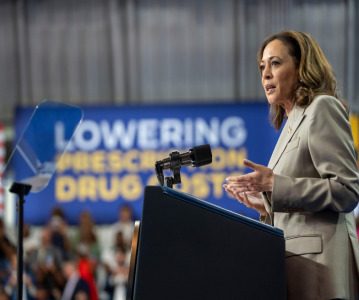
News Drug prices agreed upon as part of the US Inflation Reduction Act
The Inflation Reduction Act brought into constitution by the Biden administation in 2022, which proposed a drug price negotiation between the government and pharmaceutical companies, has reached it's first agreement.