
AOP Orphan Launches Lojuxta for Treatment of Homozygous Familial Hypercholesterolaemia to the Austrian Market

The Austrian pharmaceutical company AOP Orphan is launching Lojuxta into the Austrian market. Lojuxta was authorized by the EMA (European Medical Agency) in July 2013. Lojuxta is indicated in adult patients with homozygous familial hypercholesterolaemia (HoFH) as an adjunct to a low-fat diet and other lipid-lowering medications, with or without LDL (low density lipoprotein) apheresis. Genetic confirmation of HoFH should be obtained whenever possible, and other forms of primary hyperlipoproteinaemia and secondary causes of hypercholesterolaemia (e.g., nephrotic syndrome, hypothyroidism) must be excluded.
HoFH: A disease of the LDL receptor with an unmet medical need despite current standard of care
HoFH is a rare genetic disorder inherited from both parents, and characterised by significantly elevated low density lipoprotein cholesterol (LDL-C) levels. Chronic exposure to high LDL-C may lead to premature, severe and progressive atherosclerosis, and may correlate with development of premature cardiovascular disease, such as: acute coronary syndrome, early myocardial infarction, aortic stenosis, ultimately premature and sudden death. As HoFH is a rare disease, it is not possible to conduct randomized controlled cardiovascular outcomes studies in this disease and there are no data on the effect of Lojuxta on cardiovascular outcomes.
HoFH patients have LDL receptors that are either non-functional or are defective in their functioning. Most other drug treatments such as statins work by increasing the number of LDL-receptors and if these are defective or negative, the drugs that work by these mechanisms typically have limited effectiveness in HoFH patients.
In addition, regular lipid apheresis (filtering of the lipids from the blood) is often required and must be repeated every 1 to 2 weeks. The use of lipid lowering drugs with or without apheresis, although effective, do not typically reduce LDL-C levels in HoFH patients to the targets recommended by the European Atherosclerosis Society (EAS) and therefore atherosclerosis may continue to progress.
Related News
-

News Pharmaceutical Supply Chain People Moves
The latest appointments, promotions, and structural changes across the pharmaceutical supply chain.
-

News Merck KGaA to buy US biotech SpringWorks for US$3.9 billion
The German multinational pharmaceutical company Merck KGaA have signed a deal to buy US biotech company SpringWorks Therapeutics at an equity value of US$3.9 billion in a move to add rare cancer therapeutics to their pipelines.
-

News Cassava Sciences halts Alzheimer's drug trial after limited progress
Cassava Sciences have drawn a close to their investigations and development of the drug simufilam, which they intended to be used for the treatment of Alzheimer’s disease.
-

News US FDA adds haemodialysis bloodlines to devices shortage list
On March 14, 2025, the US FDA published an open letter to healthcare providers citing continuing supply disruptions of haemodialysis bloodlines, an essential component of dialysis machines.
-

News Vertex Pharmaceuticals stock jumps as FDA approves non-opioid painkiller
UK-based Vertex Pharmaceuticals saw their stock shares soar as the US FDA signed off on the non-opioid painkiller Journavx, also known as suzetrigine, for patients with moderate to severe acute pain, caused by surgery, accidents, or injuries.
-

News Lessons from CPHI Milan 2024: Sunny Intervals for Pharma Manufacturing?
As the 2024 CPHI conference wrapped up in Milan, we caught up with L.E.K. Consulting – a global strategy consulting firm with deep expertise in pharma manufacturing – to discuss evolving market perspectives and business outlook. -

News US BIOSECURE Act passed by US House of Representatives
The controversial act, which has already impacted several foreign companies operating in the US, was passed by the House of Representatives on September 9, 2024. It is now headed for the US Senate before it can be signed into law by President Joe Biden... -
News Drug prices agreed upon as part of the US Inflation Reduction Act
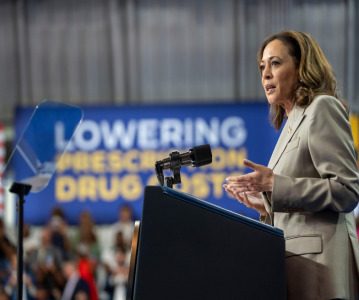
The Inflation Reduction Act brought into constitution by the Biden administation in 2022, which proposed a drug price negotiation between the government and pharmaceutical companies, has reached it's first agreement.