
API and drug product CDMO reports rapid growth in MAH programs in China
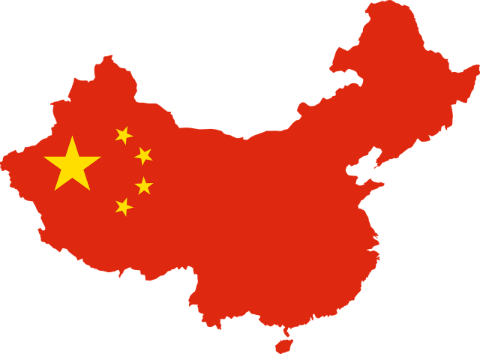
Since the MAH pilot launch, the company has undertaken eight development programs.
STA Pharmaceutical reports that it has seen a rapid uptake in companies with intent to market their products in China, using it as a development and manufacturing partner following the CFDA’s announcement of the new Market Authorization Holder (MAH) pilot program last year in China. The pilot was launched to allow drug license holders to use qualified contract manufacturing service providers in certain geographic areas (10 trial provinces and municipalities), thereby increasing innovation as biotechs would no longer need to invest in their own manufacturing facilities.
Since STA has existing CFDA-approved facilities in China – at both development and commercial scale – and extensive experience with the pilot program, it is poised to be one of the biggest participants of the MAH projects for innovative new chemical entities (NCE). In just the first full year of the pilot, STA is already undertaking the development work for eight NCE projects – the most of any domestic CDMO in the country.
“We have seen very quick take-up amongst the Chinese pharma and biotech sectors in 2017. But we anticipate an acceleration of demand next year as both Chinese customers and, increasingly western drug makers looking to file NDAs in China, begin programs with us,” commented Ms. Mei Hao, Vice President of Quality Assurance at STA.
In 2018, STA forecasts to continue carrying on 10+ MAH projects, as demand for contract services in China increases quickly. Mei added: "The benefit to speed the new drug into the market for the innovators is huge, which saves vital time and costs. But for STA it’s also a huge opportunity, as we have experience of working with MAH type programs via our experience with FDA and EMA, not to mention facilities approved by all the major regulators. We are ideally placed to be the contract provider of choice as the program matures and more companies adopt this approach."
Related News
-

News Pharmaceutical Supply Chain People Moves
The latest appointments, promotions, and structural changes across the pharmaceutical supply chain.
-

News Merck KGaA to buy US biotech SpringWorks for US$3.9 billion
The German multinational pharmaceutical company Merck KGaA have signed a deal to buy US biotech company SpringWorks Therapeutics at an equity value of US$3.9 billion in a move to add rare cancer therapeutics to their pipelines.
-

News Cassava Sciences halts Alzheimer's drug trial after limited progress
Cassava Sciences have drawn a close to their investigations and development of the drug simufilam, which they intended to be used for the treatment of Alzheimer’s disease.
-

News US FDA adds haemodialysis bloodlines to devices shortage list
On March 14, 2025, the US FDA published an open letter to healthcare providers citing continuing supply disruptions of haemodialysis bloodlines, an essential component of dialysis machines.
-

News Vertex Pharmaceuticals stock jumps as FDA approves non-opioid painkiller
UK-based Vertex Pharmaceuticals saw their stock shares soar as the US FDA signed off on the non-opioid painkiller Journavx, also known as suzetrigine, for patients with moderate to severe acute pain, caused by surgery, accidents, or injuries.
-

News Lessons from CPHI Milan 2024: Sunny Intervals for Pharma Manufacturing?
As the 2024 CPHI conference wrapped up in Milan, we caught up with L.E.K. Consulting – a global strategy consulting firm with deep expertise in pharma manufacturing – to discuss evolving market perspectives and business outlook. -
News US BIOSECURE Act passed by US House of Representatives
The controversial act, which has already impacted several foreign companies operating in the US, was passed by the House of Representatives on September 9, 2024. It is now headed for the US Senate before it can be signed into law by President Joe Biden... -
News Drug prices agreed upon as part of the US Inflation Reduction Act
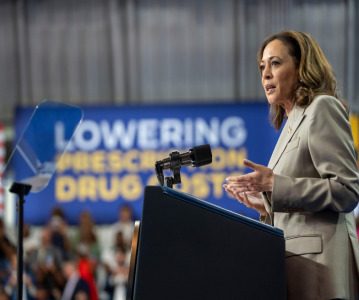
The Inflation Reduction Act brought into constitution by the Biden administation in 2022, which proposed a drug price negotiation between the government and pharmaceutical companies, has reached it's first agreement.