Article: Biologic Stability with Lyophilization
Ensuring Biologic Stability with Tailored and Cutting-Edge Lyophilization Solutions
This new article from Coriolis Pharma explores how lyophilization supports the stability and scalability of biologics. By combining quality-by-design, predictive modeling, and advanced freeze-drying technologies, Coriolis ensures robust, manufacturable formulations ready for global deployment.
As the demand for biologic drugs grows, ensuring their stability and manufacturability is more critical than ever. Lyophilization offers a proven solution, but its success depends on deep scientific expertise, advanced modeling, and tailored process development. Coriolis Pharma applies a precision-driven approach to formulation and freeze-drying, integrating quality-by-design principles, predictive modeling, and cutting-edge lyophilization technologies to optimize stability, scalability, and global accessibility of biopharmaceuticals.
Expanding Demand for Lyophilization in BiopharmaceuticalsBiologic drug substances are significantly larger and more complex than traditional small molecule drugs, and most require parenteral administration, typically via intravenous or subcutaneous injection. However, many biologics are inherently unstable in aqueous formulations, necessitating storage and transport at frozen temperatures. This requirement introduces logistical challenges, including the need for an extensive temperature-controlled infrastructure, which increases costs and complicates global distribution.
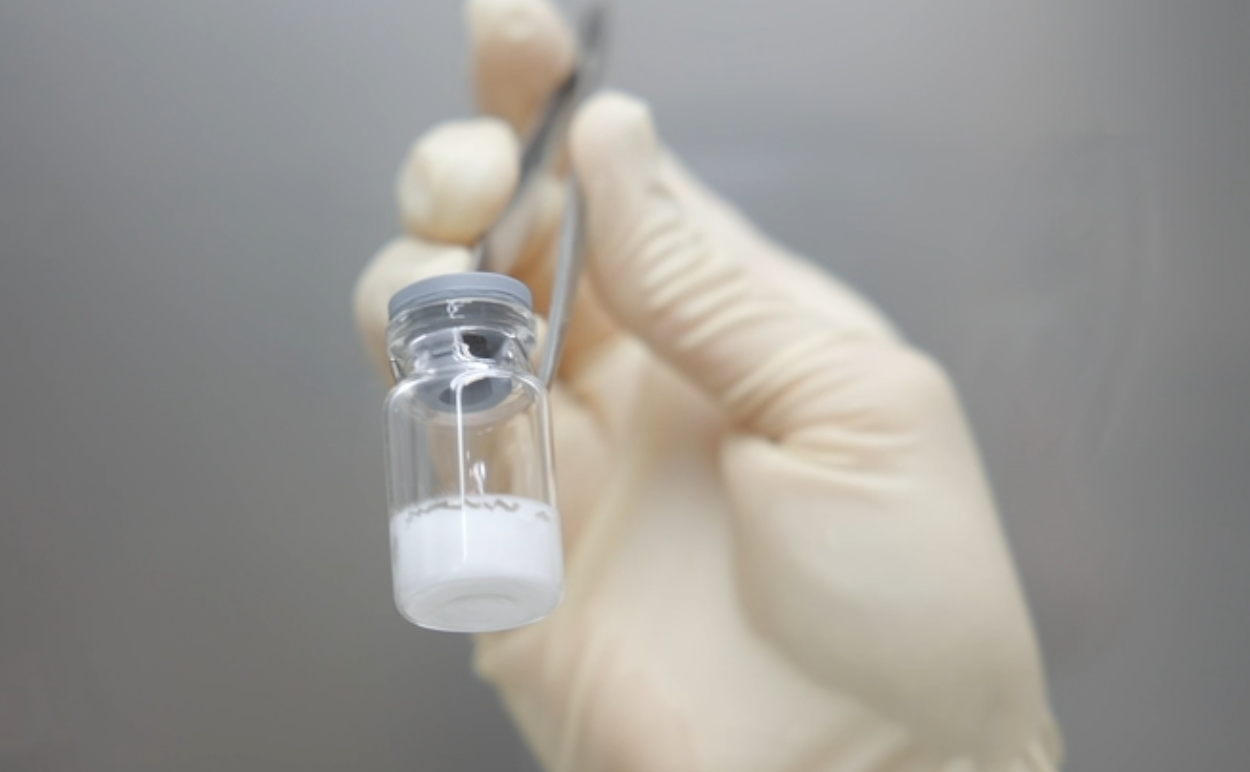
A well-established alternative is lyophilization, or freeze-drying, which transforms liquid biopharmaceuticals into stable powders that can be stored and transported at ambient or refrigerated temperatures. This eliminates the need for temperature-controlled logistics, reducing costs, expanding access to broader markets, and improving global patient reach. Notably, lyophilization is the preferred method for preserving many temperature-sensitive biopharmaceuticals, as alternative stabilization techniques, such as spray drying, often involve high temperatures that can degrade proteins, antibodies, and next-generation biologics.
The demand for lyophilization services is increasing in parallel with the growing pipeline of biologic drugs. As more complex therapies emerge, lyophilization remains a reliable approach for ensuring stability. For example, all currently approved ADCs are lyophilized due to the inherent instability of their linker chemistry in liquid formulations.
However, the decision to develop a lyophilized formulation versus a frozen liquid product is influenced by multiple factors, including the drug’s stability, intended patient population, and commercialization strategy. During the COVID-19 pandemic, for instance, mRNA vaccines were distributed as frozen liquids to accelerate time to market, as developing a robust lyophilization process would have required additional time and resources. Nevertheless, transitioning from frozen to lyophilized formulations is often pursued later in a product’s life cycle to mitigate the high costs of temperature-controlled logistics and facilitate global distribution.
Lyophilization is widely adopted across established biologic modalities, with available technologies supporting both small- and large-scale production. While cell and gene therapies are still predominantly formulated as frozen products, the industry is actively exploring lyophilization strategies for these next-generation treatments. Continuous freeze-drying technologies hold promise for these advanced therapies by enhancing efficiency, reducing energy consumption, and improving scalability. As these fields mature, further investment in lyophilization innovation will be critical to ensuring the stability and accessibility of cutting-edge biologics.