
Big data specialists could breathe life into the pharma sector

Increased hiring of big data experts and data scientists could help to revitalise the pharmaceutical sector, according to NonStop Recruitment.
An analysis by the pharmaceutical recruitment specialists found that a greater focus on exploiting data could drive greater efficiency which would benefit the entire sector. The price of developing new drugs has risen to prohibitive levels with the failure of late stage clinical trials often costing firms millions. NonStop has argued that hiring big data specialists could mean that the data from these trials is more effectively exploited.
Abid Kanji, Associate Director of NonStop Recruitment, comments: “As we all know, the process of getting a new drug to market is a long and costly one. Firms produce enormous amounts of data from trials and testing, but currently use it very inefficiently. Taking on larger numbers of data scientists and big data experts could mean that organisations can exploit the data more effectively and then save costs further down the line when it comes to drug development. This isn’t reinventing the wheel. It’s a relatively simple solution to an obvious problem that is causing massive wastage. The data can be used to help direct research more efficiently and could reduce the amount of time that firms spend pursuing unviable opportunities. The process would start with sharing information internally, but eventually the entire sector could reap the benefits.”
“The pharmaceutical industry arrived somewhat late to the ‘big data revolution’ and with the sector in such a tumultuous state it seems clear that firms should be doing all they can to become more efficient. They don’t even need to take on an expert with extensive direct experience in the pharmaceutical sector, firms simply require specialists who understand how to break down and analyse data to spot areas where their employers could improve efficiency. This could be a significant opportunity for the entire industry and it’s one that we hope they will adopt.”
Related News
-

News Pharmaceutical Supply Chain People Moves
The latest appointments, promotions, and structural changes across the pharmaceutical supply chain.
-

News Merck KGaA to buy US biotech SpringWorks for US$3.9 billion
The German multinational pharmaceutical company Merck KGaA have signed a deal to buy US biotech company SpringWorks Therapeutics at an equity value of US$3.9 billion in a move to add rare cancer therapeutics to their pipelines.
-

News Cassava Sciences halts Alzheimer's drug trial after limited progress
Cassava Sciences have drawn a close to their investigations and development of the drug simufilam, which they intended to be used for the treatment of Alzheimer’s disease.
-

News US FDA adds haemodialysis bloodlines to devices shortage list
On March 14, 2025, the US FDA published an open letter to healthcare providers citing continuing supply disruptions of haemodialysis bloodlines, an essential component of dialysis machines.
-

News Vertex Pharmaceuticals stock jumps as FDA approves non-opioid painkiller
UK-based Vertex Pharmaceuticals saw their stock shares soar as the US FDA signed off on the non-opioid painkiller Journavx, also known as suzetrigine, for patients with moderate to severe acute pain, caused by surgery, accidents, or injuries.
-
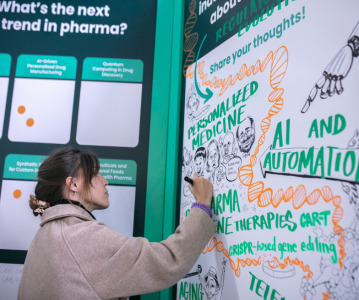
News Lessons from CPHI Milan 2024: Sunny Intervals for Pharma Manufacturing?
As the 2024 CPHI conference wrapped up in Milan, we caught up with L.E.K. Consulting – a global strategy consulting firm with deep expertise in pharma manufacturing – to discuss evolving market perspectives and business outlook. -

News US BIOSECURE Act passed by US House of Representatives
The controversial act, which has already impacted several foreign companies operating in the US, was passed by the House of Representatives on September 9, 2024. It is now headed for the US Senate before it can be signed into law by President Joe Biden... -
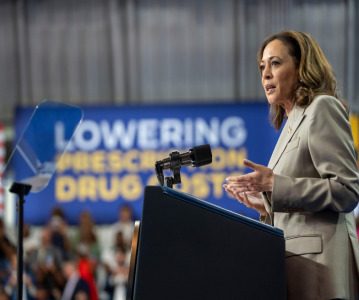
News Drug prices agreed upon as part of the US Inflation Reduction Act
The Inflation Reduction Act brought into constitution by the Biden administation in 2022, which proposed a drug price negotiation between the government and pharmaceutical companies, has reached it's first agreement.