
Catalent launches direct-to-patient clinical supply services
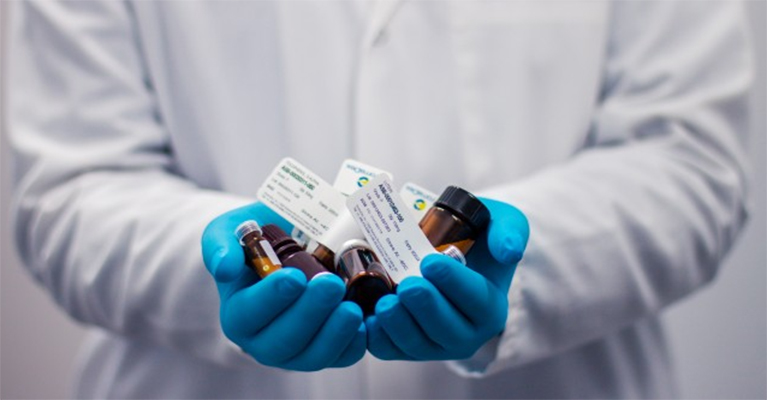
Multiple options provide increased flexibility for sponsors.
Catalent has launched FlexDirect, a new direct-to-patient service for clinical trials. The FlexDirect service provides sponsors with the choice of site-to-patient distribution, or Catalent’s new pharmacy-to-patient service, both of which can be combined with standard distribution of clinical supplies to offer a customized hybrid approach as needed.
Catalent’s pharmacy service is located within the same facility as standard distribution, enabling clinical supplies distributed to both clinical sites and directly to patients to originate from a single location, eliminating the need to maintain separate inventories.
The FlexDirect service offers benefits to both sponsors and patients undertaking clinical trials. For sponsors, direct-to-patient distribution of clinical supplies (patient kits) supports improved recruitment and retention of patients by delivering treatments directly to their homes, removing barriers such as transportation challenges and addressing the constraints of underlying health conditions that may hinder patients’ visits to clinical sites.
The service also makes trials more patient-centric by improving convenience, supporting busy lifestyles and reducing the number of clinical visits that are necessary. Site-to-patient services are available in the US and Europe. Pharmacy-to-patient services are accessible in the US via Catalent’s on-site pharmacy at its Philadelphia location, offering sponsors a streamlined and compliant solution that eliminates the need for clinical sites to physically receive, store and dispense patient kits.
“The nature of clinical trials has evolved, but the needs for a trial to maintain patient engagement and ensure dosing regimens are adhered to remain paramount, and direct-to-patient supply reduces the burden of patients to visit clinical sites and maintain participation,” explained Kristen DeVito, Global Director Clinical Supply Services. “FlexDirect increases the options available to study sponsors and offers increased flexibility in distribution, reducing the strain on clinical sites by offering a pharmacy-based service and promoting patient retention.”

Related News
-

News Pharmaceutical Supply Chain People Moves
The latest appointments, promotions, and structural changes across the pharmaceutical supply chain.
-

News Merck KGaA to buy US biotech SpringWorks for US$3.9 billion
The German multinational pharmaceutical company Merck KGaA have signed a deal to buy US biotech company SpringWorks Therapeutics at an equity value of US$3.9 billion in a move to add rare cancer therapeutics to their pipelines.
-

News Cassava Sciences halts Alzheimer's drug trial after limited progress
Cassava Sciences have drawn a close to their investigations and development of the drug simufilam, which they intended to be used for the treatment of Alzheimer’s disease.
-

News US FDA adds haemodialysis bloodlines to devices shortage list
On March 14, 2025, the US FDA published an open letter to healthcare providers citing continuing supply disruptions of haemodialysis bloodlines, an essential component of dialysis machines.
-

News Vertex Pharmaceuticals stock jumps as FDA approves non-opioid painkiller
UK-based Vertex Pharmaceuticals saw their stock shares soar as the US FDA signed off on the non-opioid painkiller Journavx, also known as suzetrigine, for patients with moderate to severe acute pain, caused by surgery, accidents, or injuries.
-

News Lessons from CPHI Milan 2024: Sunny Intervals for Pharma Manufacturing?
As the 2024 CPHI conference wrapped up in Milan, we caught up with L.E.K. Consulting – a global strategy consulting firm with deep expertise in pharma manufacturing – to discuss evolving market perspectives and business outlook. -

News US BIOSECURE Act passed by US House of Representatives
The controversial act, which has already impacted several foreign companies operating in the US, was passed by the House of Representatives on September 9, 2024. It is now headed for the US Senate before it can be signed into law by President Joe Biden... -
News Drug prices agreed upon as part of the US Inflation Reduction Act
The Inflation Reduction Act brought into constitution by the Biden administation in 2022, which proposed a drug price negotiation between the government and pharmaceutical companies, has reached it's first agreement.