
CDMO Suven’s finished drug exports halted due to Indian COVID-19 lockdown
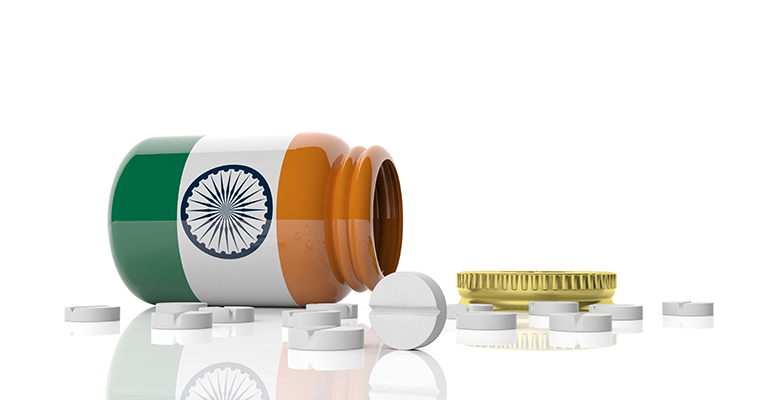
Indian contract development and manufacturing organisation, Suven Pharmaceuticals, has warned it cannot export finished products due to a shortage of raw materials following the country’s recent lockdown to fight the COVID-19 pandemic.
Suven chairman and managing director Venkat Jasti said in a letter to customers and shareholders dated 25 March that even though Indian pharmaceutical manufacturing is exempted from the lockdown situation, the shortage had arisen because movement of goods both interstate and intrastate has been halted.
“This has…prevented us from being able to export finished products. To compound the situation, the government agencies at the seaports and airports are not operating to inspect and clear those finished goods,” he said.
He added that supply, production and shipment disruptions would all have an “unavoidable” impact on Suven and its customers.
Indian Prime Minister Narendra Modi announced on Tuesday a three-week lockdown for the whole of India. “To save India and every Indian, there will be a total ban on venturing out of your homes,” he said in an address to the nation.
Earlier this month, India restricted exports of 26 APIs including antibiotics, vitamins and hormones. The move by the Directorate General of Foreign Trade was to ensure no shortages of drugs as a result of China’s COVID-19-related lockdown.
And earlier this week, the Indian government approved a USD1.3 billion scheme to boost domestic active pharmaceutical ingredient production and lessen reliance on Chinese imports. The plan involves development of three mega API drug parks in partnership with states and financial incentives to manufacturers of 53 identified critical APIs on incremental sales for the next six years.
In a research note dated 12 March, credit ratings agency India Ratings and Research said Indian pharmaceutical supply chain disruption could be far greater than the China environmental regulation-induced shortfall of 2017 If the COVID-19 outbreak is not contained within the next three months.

Related News
-

News Pharmaceutical Supply Chain People Moves
The latest appointments, promotions, and structural changes across the pharmaceutical supply chain.
-

News Merck KGaA to buy US biotech SpringWorks for US$3.9 billion
The German multinational pharmaceutical company Merck KGaA have signed a deal to buy US biotech company SpringWorks Therapeutics at an equity value of US$3.9 billion in a move to add rare cancer therapeutics to their pipelines.
-

News Cassava Sciences halts Alzheimer's drug trial after limited progress
Cassava Sciences have drawn a close to their investigations and development of the drug simufilam, which they intended to be used for the treatment of Alzheimer’s disease.
-

News US FDA adds haemodialysis bloodlines to devices shortage list
On March 14, 2025, the US FDA published an open letter to healthcare providers citing continuing supply disruptions of haemodialysis bloodlines, an essential component of dialysis machines.
-

News Vertex Pharmaceuticals stock jumps as FDA approves non-opioid painkiller
UK-based Vertex Pharmaceuticals saw their stock shares soar as the US FDA signed off on the non-opioid painkiller Journavx, also known as suzetrigine, for patients with moderate to severe acute pain, caused by surgery, accidents, or injuries.
-

News Lessons from CPHI Milan 2024: Sunny Intervals for Pharma Manufacturing?
As the 2024 CPHI conference wrapped up in Milan, we caught up with L.E.K. Consulting – a global strategy consulting firm with deep expertise in pharma manufacturing – to discuss evolving market perspectives and business outlook. -
News US BIOSECURE Act passed by US House of Representatives
The controversial act, which has already impacted several foreign companies operating in the US, was passed by the House of Representatives on September 9, 2024. It is now headed for the US Senate before it can be signed into law by President Joe Biden... -
News Drug prices agreed upon as part of the US Inflation Reduction Act
The Inflation Reduction Act brought into constitution by the Biden administation in 2022, which proposed a drug price negotiation between the government and pharmaceutical companies, has reached it's first agreement.