
Collaboration on track to develop new antibiotic resistance technology
.jpg)
The system has the potential to revolutionise the turnaround time for the assessment of suspected UTIs and reduce the use of antibiotics.
TTP, an independent technology and product development company, has partnered with ODx, a company committed to developing a system for assessing urinary tract infections (UTIs). The collaboration will focus on bringing ODx’s system to market through TTP’s Desktop Biology service, which helps companies accelerate the development of their assay to a product for use in diagnostics or research.
The ODx system could revolutionise the turnaround time for the assessment of suspected UTIs, reduce the use of antibiotics and provide faster access to optimal antimicrobial therapy.
ODx’ proprietary detection technique relies on subjecting urine samples to an antibiotic panel to assess how effective each compound is at killing bacteria.
TTP and ODx have further refined and developed this technology to provide rapid and multiplexed analysis. The test passes light through samples, monitoring optical response over time to investigate bacterial growth, and if/how this is affected by the presence of different antibiotics. The multiplex cartridge allows for different antibiotic panels and concentrations to be tested, depending upon clinical settings and geography.
Once released, it is expected the system will be placed in doctors’ offices, hospital outpatient clinics and potentially pharmacies. This will help assess suspected UTIs at the point of care, ensuring the most appropriate antibiotics are identified as quickly as possible. Facilitating the development of personalised treatment plans, the system will help tackle antibiotic resistance by reducing unnecessary prescriptions, whilst making sure that antibiotic courses have the maximum possible effectiveness for a given patient.
Piers Harding, Programme Manager at TTP, described working to develop a system that actively addresses antibiotic resistance issue as "particularly rewarding" because it has the potential to "make a significant difference to the way infections are diagnosed and treated".
Related News
-

News Pharmaceutical Supply Chain People Moves
The latest appointments, promotions, and structural changes across the pharmaceutical supply chain.
-

News Merck KGaA to buy US biotech SpringWorks for US$3.9 billion
The German multinational pharmaceutical company Merck KGaA have signed a deal to buy US biotech company SpringWorks Therapeutics at an equity value of US$3.9 billion in a move to add rare cancer therapeutics to their pipelines.
-

News Cassava Sciences halts Alzheimer's drug trial after limited progress
Cassava Sciences have drawn a close to their investigations and development of the drug simufilam, which they intended to be used for the treatment of Alzheimer’s disease.
-

News US FDA adds haemodialysis bloodlines to devices shortage list
On March 14, 2025, the US FDA published an open letter to healthcare providers citing continuing supply disruptions of haemodialysis bloodlines, an essential component of dialysis machines.
-

News Vertex Pharmaceuticals stock jumps as FDA approves non-opioid painkiller
UK-based Vertex Pharmaceuticals saw their stock shares soar as the US FDA signed off on the non-opioid painkiller Journavx, also known as suzetrigine, for patients with moderate to severe acute pain, caused by surgery, accidents, or injuries.
-

News Lessons from CPHI Milan 2024: Sunny Intervals for Pharma Manufacturing?
As the 2024 CPHI conference wrapped up in Milan, we caught up with L.E.K. Consulting – a global strategy consulting firm with deep expertise in pharma manufacturing – to discuss evolving market perspectives and business outlook. -

News US BIOSECURE Act passed by US House of Representatives
The controversial act, which has already impacted several foreign companies operating in the US, was passed by the House of Representatives on September 9, 2024. It is now headed for the US Senate before it can be signed into law by President Joe Biden... -
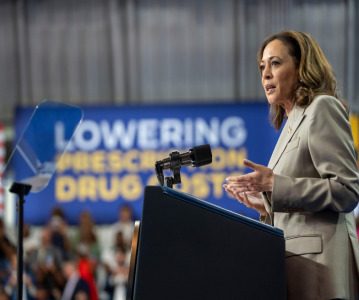
News Drug prices agreed upon as part of the US Inflation Reduction Act
The Inflation Reduction Act brought into constitution by the Biden administation in 2022, which proposed a drug price negotiation between the government and pharmaceutical companies, has reached it's first agreement.