
COVID-19 triggers growing interest of European patients in where drugs are manufactured: Teva study
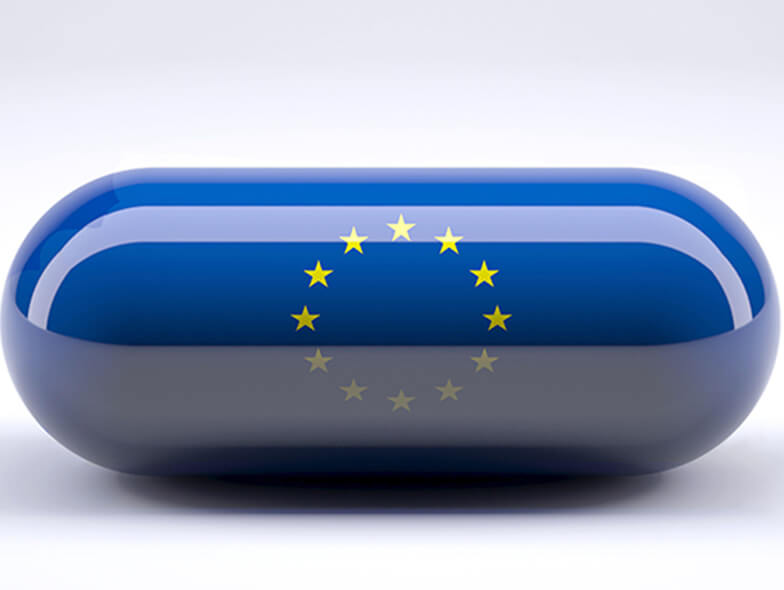
Just as 'food miles' have become a key concern among consumers in recent years, patients now want to know more about 'medicine miles', study commissioned by Teva finds
The coronavirus pandemic has triggered growing interest among European patients about where their drugs are manufactured and Europe's wider role in drug production, according to a report commissioned by generics comapny, Teva.
The study, which questioned 3,000 European patients who rely on regular medication for chronic conditions revealed seven out of 10 are now keen to know where their medicines are made while 71% of respodents said they are interested in knowing Europe remains as competitive as other regions.
The vast majority (84%) of patients surveyed said they wanted their government to support pharmaceutical manufacturing investments in their region to avoid over-dependencies on countries outside of Europe.
This patient interest comes as the pandemic has exposed "weaknesses in the growing concentration of essential medicine production overseas and highlights the need to rebalance the global pharmaceutical value chain to ensure every region around the world has reliable access to vital medicines," Teva said.
The COVID-19 pandemic has highlighted problems with global supply chains caused by a large proportion of global API production being clustered in Asia.
Although Europe remains strong in producing finished medicines it has lost its leadership position in API manufacturing in the off-patent generics sector — particularly for drugs such as paracetamol— opening up strategic vulnerabilities.
Richard Daniell, Executive Vice President for Teva in Europe, said the pandemic has acted as a "wake-up call" and that the growing imbalance of the global pharmaceutical value chain cannot continue.
The report suggests Europe’s over-reliance on overseas API manufacturing has been "exposed by the closure of factories and borders, and that nationalistic approaches don’t work in such a highly connected and interdependent area as modern medicine supply."
Teva said that Europe must, therefore, adjust its policies to new economic and technological realities, while expanding its competitiveness and geopolitical position by remaining open and attracting investments.
Daniell also said that Europe’s regulatory regime, which he describes as "rather inflexible" and "old fashioned" should be modernised to attract pharmaceutical investments to produce critical APIs and generic medicines.
Furthermore, he added that seizing this "watershed moment" to create a new equilibrium will not simply improve Europe's resilience, it will also deliver a significant economic contribution to the region and be more sustainable given the potential of transport reduction-related environmental impact.

Related News
-

News Pharmaceutical Supply Chain People Moves
The latest appointments, promotions, and structural changes across the pharmaceutical supply chain.
-

News Merck KGaA to buy US biotech SpringWorks for US$3.9 billion
The German multinational pharmaceutical company Merck KGaA have signed a deal to buy US biotech company SpringWorks Therapeutics at an equity value of US$3.9 billion in a move to add rare cancer therapeutics to their pipelines.
-

News Cassava Sciences halts Alzheimer's drug trial after limited progress
Cassava Sciences have drawn a close to their investigations and development of the drug simufilam, which they intended to be used for the treatment of Alzheimer’s disease.
-
News US FDA adds haemodialysis bloodlines to devices shortage list
On March 14, 2025, the US FDA published an open letter to healthcare providers citing continuing supply disruptions of haemodialysis bloodlines, an essential component of dialysis machines.
-

News Vertex Pharmaceuticals stock jumps as FDA approves non-opioid painkiller
UK-based Vertex Pharmaceuticals saw their stock shares soar as the US FDA signed off on the non-opioid painkiller Journavx, also known as suzetrigine, for patients with moderate to severe acute pain, caused by surgery, accidents, or injuries.
-

News Lessons from CPHI Milan 2024: Sunny Intervals for Pharma Manufacturing?
As the 2024 CPHI conference wrapped up in Milan, we caught up with L.E.K. Consulting – a global strategy consulting firm with deep expertise in pharma manufacturing – to discuss evolving market perspectives and business outlook. -
News US BIOSECURE Act passed by US House of Representatives
The controversial act, which has already impacted several foreign companies operating in the US, was passed by the House of Representatives on September 9, 2024. It is now headed for the US Senate before it can be signed into law by President Joe Biden... -

News Drug prices agreed upon as part of the US Inflation Reduction Act
The Inflation Reduction Act brought into constitution by the Biden administation in 2022, which proposed a drug price negotiation between the government and pharmaceutical companies, has reached it's first agreement.