
Creative Medical Health Inc. Files Patent on Multiple Sclerosis Stem Cell Therapy

Creative Medical Health has announced filing of intellectual property covering the use of its proprietary mesenchymal stem cell-based product for treatment for autoimmune diseases, with multiple sclerosis being the first disease in which the product will be clinically assessed. The patent covers various modifications and cell types that are used to specifically stop the immunological processes that cause inflammation in the nervous system, which leads to the pathology seen in multiple sclerosis. Multiple sclerosis affects approximately 23 million patients, with a global market for disease-modifying products that reached nearly $10.9 billion in 2013. This is estimated to grow to nearly $14.2 billion by 2018.
“The core belief of Creative Medical Health is to empower the body to heal itself through mechanisms that are natural to the body, but for whatever reason became deregulated,” said Dr Amit Patel, Director of Clinical Regenerative Medicine and Tissue Engineering at University of Utah and Board Member of Creative Medical Health. “In the case of the recently filed patent, we are leveraging the innate ability of mesenchymal stem cells to stop pathological immune attack on the nervous system and to induce T regulatory cells, a type of cell that protects the body from autoimmune attack.”
Creative Medical Health has developed a broad range of biotechnology and bionutraceutical products that function through augmenting the body’s endogenous regenerative mechanisms.
“At Creative Medical Health we take a very aggressive approach to intellectual property, having one issued patent covering stem cells for erectile dysfunction and 11 patent applications at the various stages of the approval process. The filing of today’s patent increases our IP footprint and allows for our extension into the area of multiple sclerosis, a disease for which no cure currently exists,” said Timothy Warbington, CEO of Creative Medical Health.
Related News
-

News Pharmaceutical Supply Chain People Moves
The latest appointments, promotions, and structural changes across the pharmaceutical supply chain.
-

News Merck KGaA to buy US biotech SpringWorks for US$3.9 billion
The German multinational pharmaceutical company Merck KGaA have signed a deal to buy US biotech company SpringWorks Therapeutics at an equity value of US$3.9 billion in a move to add rare cancer therapeutics to their pipelines.
-

News Cassava Sciences halts Alzheimer's drug trial after limited progress
Cassava Sciences have drawn a close to their investigations and development of the drug simufilam, which they intended to be used for the treatment of Alzheimer’s disease.
-
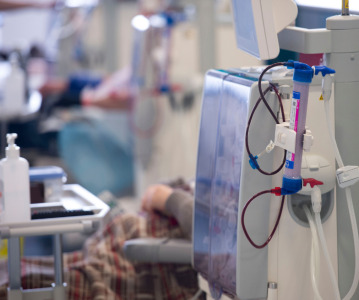
News US FDA adds haemodialysis bloodlines to devices shortage list
On March 14, 2025, the US FDA published an open letter to healthcare providers citing continuing supply disruptions of haemodialysis bloodlines, an essential component of dialysis machines.
-

News Vertex Pharmaceuticals stock jumps as FDA approves non-opioid painkiller
UK-based Vertex Pharmaceuticals saw their stock shares soar as the US FDA signed off on the non-opioid painkiller Journavx, also known as suzetrigine, for patients with moderate to severe acute pain, caused by surgery, accidents, or injuries.
-
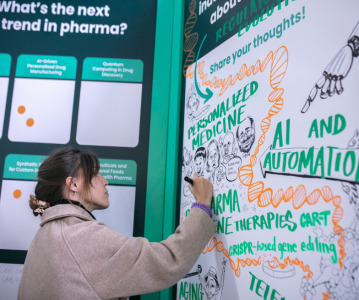
News Lessons from CPHI Milan 2024: Sunny Intervals for Pharma Manufacturing?
As the 2024 CPHI conference wrapped up in Milan, we caught up with L.E.K. Consulting – a global strategy consulting firm with deep expertise in pharma manufacturing – to discuss evolving market perspectives and business outlook. -

News US BIOSECURE Act passed by US House of Representatives
The controversial act, which has already impacted several foreign companies operating in the US, was passed by the House of Representatives on September 9, 2024. It is now headed for the US Senate before it can be signed into law by President Joe Biden... -
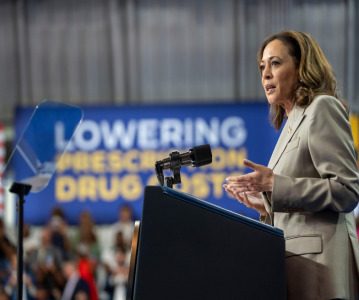
News Drug prices agreed upon as part of the US Inflation Reduction Act
The Inflation Reduction Act brought into constitution by the Biden administation in 2022, which proposed a drug price negotiation between the government and pharmaceutical companies, has reached it's first agreement.