
Development and Commercialization of Antibacterial Drugs to Speed Up

The growing threat posed by multi-drug resistant gram-negative organisms (MDR-GNBs) is lending a sense of urgency to the development of antibacterial drugs worldwide. Upcoming regulatory reforms to lower R&D costs and provide incentives for new drug identification will create attractive opportunities for pharmaceutical manufacturers.
New analysis from Frost & Sullivan, A Product and Pipeline Analysis of the Antibacterial Drugs Market, finds that nearly 80% of drugs currently in the pipeline are from smaller pharmaceutical and biotech companies, of which half do not have any commercialized products in the market. GlaxoSmithKline, AstraZeneca and Merck & Co. are the only three established pharmaceutical organizations in the antibacterial drug space.
“Thirty eight antibacterial drugs currently under development have the potential to address many, but not all, resistant bacteria,” said Frost & Sullivan Healthcare Senior Research Analyst Aiswariya Chidambaram. “Plazomicin and Eravacycline are two emerging compounds that have a broad-spectrum activity against most MDR-GNBs.”
Discovering new antibacterial drugs and identifying novel compounds that can successfully target bacteria is scientifically challenging. Given the high probability of failure and steep R&D costs, big pharma companies that were once leaders are closing down their antibacterial research facilities.
Agencies such as the FDA and the Infectious Diseases Society of America are deploying several initiatives to lure companies back into antibacterial R&D. The recently implemented Generating Antibiotic Incentives Now (GAIN) Act is expected to facilitate more efficient clinical studies and reduce barriers to market entry. In Europe, the Innovative Medicines Initiative (IMI) has launched two projects — Combatting Bacterial Resistance in Europe (COMBACTE) and TRANSLOCATION (molecular basis of the bacterial cell wall permeability) — that showcase an unprecedented partnership between industry, biotech organizations and academia to fight antibiotic resistance.
“Further, collaborations in the form of public-private partnerships among industry, academia, investors and key opinion leaders will effectively address the vast unmet clinical and commercial needs in the antibacterial drugs market and quicken the journey towards commercialization,” concluded Chidambaram.
Related News
-

News Pharmaceutical Supply Chain People Moves
The latest appointments, promotions, and structural changes across the pharmaceutical supply chain.
-

News Merck KGaA to buy US biotech SpringWorks for US$3.9 billion
The German multinational pharmaceutical company Merck KGaA have signed a deal to buy US biotech company SpringWorks Therapeutics at an equity value of US$3.9 billion in a move to add rare cancer therapeutics to their pipelines.
-

News Cassava Sciences halts Alzheimer's drug trial after limited progress
Cassava Sciences have drawn a close to their investigations and development of the drug simufilam, which they intended to be used for the treatment of Alzheimer’s disease.
-

News US FDA adds haemodialysis bloodlines to devices shortage list
On March 14, 2025, the US FDA published an open letter to healthcare providers citing continuing supply disruptions of haemodialysis bloodlines, an essential component of dialysis machines.
-

News Vertex Pharmaceuticals stock jumps as FDA approves non-opioid painkiller
UK-based Vertex Pharmaceuticals saw their stock shares soar as the US FDA signed off on the non-opioid painkiller Journavx, also known as suzetrigine, for patients with moderate to severe acute pain, caused by surgery, accidents, or injuries.
-

News Lessons from CPHI Milan 2024: Sunny Intervals for Pharma Manufacturing?
As the 2024 CPHI conference wrapped up in Milan, we caught up with L.E.K. Consulting – a global strategy consulting firm with deep expertise in pharma manufacturing – to discuss evolving market perspectives and business outlook. -

News US BIOSECURE Act passed by US House of Representatives
The controversial act, which has already impacted several foreign companies operating in the US, was passed by the House of Representatives on September 9, 2024. It is now headed for the US Senate before it can be signed into law by President Joe Biden... -
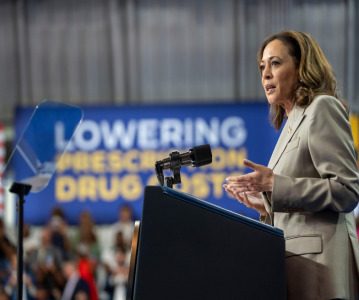
News Drug prices agreed upon as part of the US Inflation Reduction Act
The Inflation Reduction Act brought into constitution by the Biden administation in 2022, which proposed a drug price negotiation between the government and pharmaceutical companies, has reached it's first agreement.