
Drug export bans and stockpiling causing problems for globally-focused pharma distributors, says EFPIA
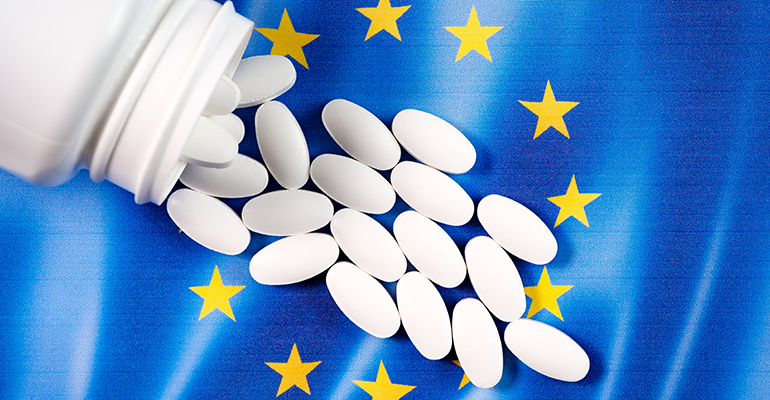
Decisions by individual European countries to ensure medicines availability during the COVID-19 pandemic are complicating international supply chains, industry association says
Drug export bans and stockpiling by individual European member states designed to boost domestic supply of essential medicines during the COVID-19 pandemic are causing problems for pharmaceutical companies who have multi-market distribution operations within those countries, the European Federation of Pharmaceutical Industries and Associations (EFPIA) has claimed.
Certain EU countries such as Belgium, Hungary and Portugal have instigated export bans and requisitioning of medicines to ensure medicines availability for their populations during the pandemic, which has so far caused over 170,000 deaths globally.
“Such export bans are particularly challenging for companies who have their multi-market distribution warehouses in those countries, from which they serve all of Europe, or even parts of Africa,” EFPIA said in a statement released Sunday.
The industry association said while it understood why member states wanted to protect domestic drug supply, it pointed out that the pharmaceutical supply chain is international and designed to work across borders.
“No one country can meet all its needs on its own, and through restrictions, countries risk isolating themselves and their citizens from the global supply network,” EFPIA said. “The consequences of export bans are directly detrimental to the availability of medicines for patients across the EU and globally, as well as risking retaliatory measures from other regions that could impact timely availability of medicines for European patients.”
EFPIA said there was also a need for EU member states to provide more information to forecast medicines demand in line with patients’ needs and a collaborative approach to support the continuation of clinical trials across Europe.
Earlier this month, the European Commission published guidelines on optimising medicines supply to avoid shortages during the COVID-19 outbreak, which EFPIA has welcomed. The Commission cited the importance of implementing green lanes to facilitate transport of medicinal products, raw materials, intermediates, active pharmaceutical ingredients, substances of human origin -- such as plasma -- and related materials such as packaging.
Related News
-

News Pharmaceutical Supply Chain People Moves
The latest appointments, promotions, and structural changes across the pharmaceutical supply chain.
-

News Merck KGaA to buy US biotech SpringWorks for US$3.9 billion
The German multinational pharmaceutical company Merck KGaA have signed a deal to buy US biotech company SpringWorks Therapeutics at an equity value of US$3.9 billion in a move to add rare cancer therapeutics to their pipelines.
-

News Cassava Sciences halts Alzheimer's drug trial after limited progress
Cassava Sciences have drawn a close to their investigations and development of the drug simufilam, which they intended to be used for the treatment of Alzheimer’s disease.
-

News US FDA adds haemodialysis bloodlines to devices shortage list
On March 14, 2025, the US FDA published an open letter to healthcare providers citing continuing supply disruptions of haemodialysis bloodlines, an essential component of dialysis machines.
-

News Vertex Pharmaceuticals stock jumps as FDA approves non-opioid painkiller
UK-based Vertex Pharmaceuticals saw their stock shares soar as the US FDA signed off on the non-opioid painkiller Journavx, also known as suzetrigine, for patients with moderate to severe acute pain, caused by surgery, accidents, or injuries.
-

News Lessons from CPHI Milan 2024: Sunny Intervals for Pharma Manufacturing?
As the 2024 CPHI conference wrapped up in Milan, we caught up with L.E.K. Consulting – a global strategy consulting firm with deep expertise in pharma manufacturing – to discuss evolving market perspectives and business outlook. -
News US BIOSECURE Act passed by US House of Representatives
The controversial act, which has already impacted several foreign companies operating in the US, was passed by the House of Representatives on September 9, 2024. It is now headed for the US Senate before it can be signed into law by President Joe Biden... -
News Drug prices agreed upon as part of the US Inflation Reduction Act
The Inflation Reduction Act brought into constitution by the Biden administation in 2022, which proposed a drug price negotiation between the government and pharmaceutical companies, has reached it's first agreement.