
Eli Lilly streamline operation to affect 3500 workers
Majority of the positions eliminated expected to come from a US voluntary early retirement program.
Eli Lilly has announced actions to streamline operations to more efficiently focus resources on developing new medicines and to improve its cost structure. Global workforce reductions, including those from a US voluntary early retirement program, are expected to impact approximately 3,500 positions.
With the streamlining efforts announced, the company expects annualized savings of approximately $500 million that will begin to be realized in 2018. These initiatives are part of a broad productivity plan underway at the company to improve its cost structure, particularly fixed costs.
"We have an abundance of opportunities — eight medicines launched in the past 4 years and the potential for two more by the end of next year," said David A. Ricks, Lilly's chairman and CEO. "To fully realize these opportunities and invest in the next generation of new medicines, we are taking action to streamline our organization and reduce our fixed costs around the world."
Ricks continued: "The actions [...] will result in a leaner, more nimble global organization and will accelerate progress towards our long-term goals of growing revenue, expanding operating margins and sustaining the flow of life-changing medicines from our pipeline."
Streamlining Initiatives
Lilly expects the majority of the positions eliminated to come from a US voluntary early retirement program, which is being offered to employees who meet certain criteria. Those who participate will receive enhanced retirement benefits. The program will be largely completed by 31 December 2017.
Remaining positions will come from other anticipated workforce reductions, including select site closures. The company will move production from its animal health manufacturing facility in Larchwood, Iowa, to an existing plant in Fort Dodge, Iowa, and continue productivity improvement efforts around the world. In addition, a research and development office in Bridgewater, New Jersey, and the Lilly China Research and Development Center in Shanghai, China, will close as the company streamlines its pharmaceutical research and development activities. The company will also further consolidate some work to its existing shared service centers.
In addition to the US voluntary early retirement program, the company will determine where it needs to further reduce costs and improve efficiencies. These efforts will include evaluation of necessary adjustments to the workforce, with the goal of continued investment in new medicines and growth. All streamlining efforts will be consistent with applicable local requirements.
Ricks noted: "The commitment and perseverance of our people, who never give up on our mission of tackling hard-to-treat diseases, make up our legacy of more than 140 years. We will implement changes with fairness and the utmost respect for our Lilly colleagues, while we remain a vibrant, thriving competitor."
Financial Outlook
Lilly expects to incur charges of approximately $1.2 billion pre-tax or $0.80 per share after-tax, which includes the estimated participation of the US voluntary early retirement program, global severance and facility closures. These charges will be reflected as asset impairment, restructuring and other special charges in the third and fourth quarters of 2017.
The company's reported earnings per share guidance in 2017 will be reduced by the amount of the charges. There will be no change to the company's non-GAAP earnings per share guidance as a result of these initiatives.
The annualized workforce savings of approximately $500 million will be about equally split to improve the company's cost structure and reinvest in the business, including product launches and clinical development for new indications and line extensions. Lilly confirmed these savings would improve upon its previous commitment and now expects to achieve an OPEX-to-revenue ratio of 49% or less in 2018.
Related News
-

News Pharmaceutical Supply Chain People Moves
The latest appointments, promotions, and structural changes across the pharmaceutical supply chain.
-

News Merck KGaA to buy US biotech SpringWorks for US$3.9 billion
The German multinational pharmaceutical company Merck KGaA have signed a deal to buy US biotech company SpringWorks Therapeutics at an equity value of US$3.9 billion in a move to add rare cancer therapeutics to their pipelines.
-

News Cassava Sciences halts Alzheimer's drug trial after limited progress
Cassava Sciences have drawn a close to their investigations and development of the drug simufilam, which they intended to be used for the treatment of Alzheimer’s disease.
-
News US FDA adds haemodialysis bloodlines to devices shortage list
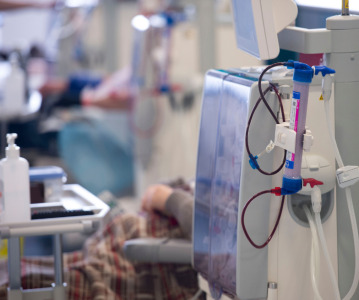
On March 14, 2025, the US FDA published an open letter to healthcare providers citing continuing supply disruptions of haemodialysis bloodlines, an essential component of dialysis machines.
-
News Vertex Pharmaceuticals stock jumps as FDA approves non-opioid painkiller
UK-based Vertex Pharmaceuticals saw their stock shares soar as the US FDA signed off on the non-opioid painkiller Journavx, also known as suzetrigine, for patients with moderate to severe acute pain, caused by surgery, accidents, or injuries.
-
News Lessons from CPHI Milan 2024: Sunny Intervals for Pharma Manufacturing?
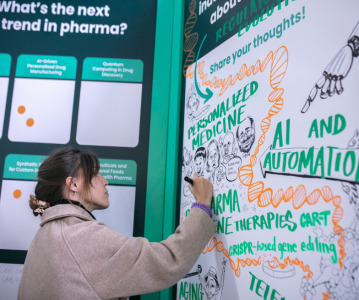
As the 2024 CPHI conference wrapped up in Milan, we caught up with L.E.K. Consulting – a global strategy consulting firm with deep expertise in pharma manufacturing – to discuss evolving market perspectives and business outlook. -
News US BIOSECURE Act passed by US House of Representatives
The controversial act, which has already impacted several foreign companies operating in the US, was passed by the House of Representatives on September 9, 2024. It is now headed for the US Senate before it can be signed into law by President Joe Biden... -
News Drug prices agreed upon as part of the US Inflation Reduction Act
The Inflation Reduction Act brought into constitution by the Biden administation in 2022, which proposed a drug price negotiation between the government and pharmaceutical companies, has reached it's first agreement.