
FDA accepts BLA for Mylan and Biocon's proposed biosimilar pegfilgrastim for review

The proposed biosimilar to Neulasta is used to reduce the duration of neutropenia and the incidence of fever associated with neutropenia in adult patients treated with chemotherapy in certain types of cancer.
Mylan and Biocon have announced that the FDA has accepted Mylan's Biologics License Application (BLA) for MYL-1401H, a proposed biosimilar to Neulasta (pegfilgrastim), for filing through the 351(k) pathway.
The proposed biosimilar to Neulasta is used to reduce the duration of neutropenia (low count of neutrophils, a type of white blood cells) and the incidence of fever associated with neutropenia in adult patients treated with chemotherapy in certain types of cancer.
The FDA goal date set under the Biosimilar User Fee Act (BsUFA) is 9 October 2017.
Mylan President Rajiv Malik commented: "We're proud of the FDA acceptance of our BLA for proposed biosimilar pegfilgrastim. This is the second BLA accepted for review by FDA as part of the Mylan and Biocon partnership within the past two months. The milestone builds upon the acceptance of regulatory filings for proposed biosimilar pegfilgrastim in Europe, Australia, and Canada and reinforces our dedication and commitment to establishing a global platform for this product. Once approved, proposed biosimilar pegfilgrastim will complement Mylan's broad oncology portfolio focused on expanding access to more affordable treatments for multiple types of cancer."
Dr Arun Chandavarkar, CEO and Joint Managing Director, Biocon, said: "We are extremely pleased with the regulatory progress of our biosimilars in the US. The FDA's acceptance for review of our second BLA for a proposed biosimilar developed by Biocon and Mylan is an outcome of our strong R&D and manufacturing capabilities. Once approved, our proposed biosimilar pegfilgrastim will provide a high quality alternative to branded pegfilgrastim (Neulasta) for cancer patients during cytotoxic chemotherapy. It will expand our oncology portfolio and further enable us to fulfil our promise of making cancer-care affordable and accessible for patients across the globe."
Related News
-

News Pharmaceutical Supply Chain People Moves
The latest appointments, promotions, and structural changes across the pharmaceutical supply chain.
-

News Merck KGaA to buy US biotech SpringWorks for US$3.9 billion
The German multinational pharmaceutical company Merck KGaA have signed a deal to buy US biotech company SpringWorks Therapeutics at an equity value of US$3.9 billion in a move to add rare cancer therapeutics to their pipelines.
-

News Cassava Sciences halts Alzheimer's drug trial after limited progress
Cassava Sciences have drawn a close to their investigations and development of the drug simufilam, which they intended to be used for the treatment of Alzheimer’s disease.
-

News US FDA adds haemodialysis bloodlines to devices shortage list
On March 14, 2025, the US FDA published an open letter to healthcare providers citing continuing supply disruptions of haemodialysis bloodlines, an essential component of dialysis machines.
-

News Vertex Pharmaceuticals stock jumps as FDA approves non-opioid painkiller
UK-based Vertex Pharmaceuticals saw their stock shares soar as the US FDA signed off on the non-opioid painkiller Journavx, also known as suzetrigine, for patients with moderate to severe acute pain, caused by surgery, accidents, or injuries.
-

News Lessons from CPHI Milan 2024: Sunny Intervals for Pharma Manufacturing?
As the 2024 CPHI conference wrapped up in Milan, we caught up with L.E.K. Consulting – a global strategy consulting firm with deep expertise in pharma manufacturing – to discuss evolving market perspectives and business outlook. -

News US BIOSECURE Act passed by US House of Representatives
The controversial act, which has already impacted several foreign companies operating in the US, was passed by the House of Representatives on September 9, 2024. It is now headed for the US Senate before it can be signed into law by President Joe Biden... -
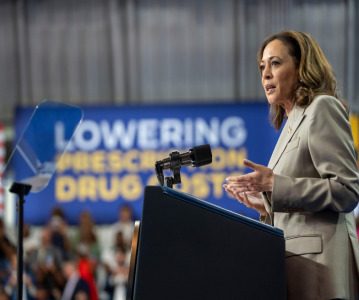
News Drug prices agreed upon as part of the US Inflation Reduction Act
The Inflation Reduction Act brought into constitution by the Biden administation in 2022, which proposed a drug price negotiation between the government and pharmaceutical companies, has reached it's first agreement.