
FDA gives green light to Sanofi's once-daily Soliqua 100/33
The type 2 diabetes treatment for adults will be delivered using SoloStar technology.
The FDA has approved Sanofi's once-daily Soliqua 100/33 (insulin glargine & lixisenatide injection) 100 Units/mL & 33 mcg/mL for the treatment of adults with type 2 diabetes inadequately controlled on basal insulin (less than 60 Units daily) or lixisenatide.
Soliqua 100/33 is the combination of Lantus (insulin glargine 100 Units/mL) and lixisenatide, a GLP-1 receptor agonist, in a once-daily injection, studied in a Phase III program of more than 1,900 patients. In an insulin intensification study, Soliqua 100/33 showed better HbA1c (average blood sugar over time) lowering versus Lantus with a majority of the 736 patients (55% vs. 30%) achieving the American Diabetes Association target of less than 7% at 30 weeks. Patients treated with Soliqua 100/33 experienced similar rates of documented (less than or equal to 70 mg/dL) hypoglycemia compared to Lantus-treated patients.
Soliqua 100/33 will be delivered in a single pre-filled pen for once-daily dosing covering 15 to 60 Units of insulin glargine 100 Units/mL and 5 to 20 mcg of lixisenatide using SoloStar technology, the most frequently used disposable insulin injection pen platform in the world. Soliqua 100/33 will be available in US retail pharmacies in January 2017.
"Sanofi continues to be a pioneer in developing diabetes therapies and in bringing forward new treatment options for the approximately 50% of patients whose blood sugar levels remain uncontrolled on daily basal insulin. Soliqua 100/33 is an alternate new approach that can help adults living with type 2 diabetes uncontrolled on basal insulin or lixisenatide to reach their treatment goal," said Elias Zerhouni, President, Global R&D, Sanofi.
The combination was submitted for regulatory review in a total of 10 markets, including the EU, where the Committee for Medicinal Products for Human Use (CHMP) of the European Medicines Agency (EMA) adopted a positive opinion for the marketing authorization of the product on 11 November 2016. It has not yet been approved for use by any health authority outside the US.
Related News
-

News Pharmaceutical Supply Chain People Moves
The latest appointments, promotions, and structural changes across the pharmaceutical supply chain.
-

News Merck KGaA to buy US biotech SpringWorks for US$3.9 billion
The German multinational pharmaceutical company Merck KGaA have signed a deal to buy US biotech company SpringWorks Therapeutics at an equity value of US$3.9 billion in a move to add rare cancer therapeutics to their pipelines.
-

News Cassava Sciences halts Alzheimer's drug trial after limited progress
Cassava Sciences have drawn a close to their investigations and development of the drug simufilam, which they intended to be used for the treatment of Alzheimer’s disease.
-
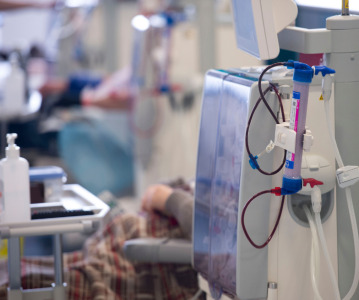
News US FDA adds haemodialysis bloodlines to devices shortage list
On March 14, 2025, the US FDA published an open letter to healthcare providers citing continuing supply disruptions of haemodialysis bloodlines, an essential component of dialysis machines.
-

News Vertex Pharmaceuticals stock jumps as FDA approves non-opioid painkiller
UK-based Vertex Pharmaceuticals saw their stock shares soar as the US FDA signed off on the non-opioid painkiller Journavx, also known as suzetrigine, for patients with moderate to severe acute pain, caused by surgery, accidents, or injuries.
-
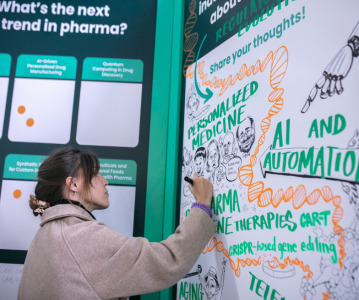
News Lessons from CPHI Milan 2024: Sunny Intervals for Pharma Manufacturing?
As the 2024 CPHI conference wrapped up in Milan, we caught up with L.E.K. Consulting – a global strategy consulting firm with deep expertise in pharma manufacturing – to discuss evolving market perspectives and business outlook. -

News US BIOSECURE Act passed by US House of Representatives
The controversial act, which has already impacted several foreign companies operating in the US, was passed by the House of Representatives on September 9, 2024. It is now headed for the US Senate before it can be signed into law by President Joe Biden... -
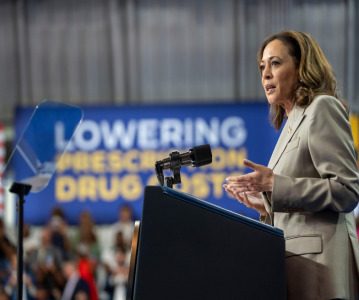
News Drug prices agreed upon as part of the US Inflation Reduction Act
The Inflation Reduction Act brought into constitution by the Biden administation in 2022, which proposed a drug price negotiation between the government and pharmaceutical companies, has reached it's first agreement.