
Gastrointestinal drugs market to hit $48.4 billion by 2022 as biologic products revolutionize the treatment space

Although the market has recently been hit by the patent expirations of a number of the leading gastrointestinal products, the approval of new drugs, as well as rising prevalence, are expected to drive considerable growth. says GBI Research.
The market size for gastrointestinal therapeutics is set to grow from $35.7 billion in 2015 to $48.4 billion by 2022, representing a compound annual growth rate of 4.45%, according to business intelligence provider GBI Research.
The company’s latest report states that although the market has recently been hit by the patent expirations of a number of the leading gastrointestinal products, such as Nexium and Remicade, the approval of new drugs, as well as rising prevalence, are expected to drive considerable growth.
Jennifer Goossens, Associate Analyst for GBI Research, explains: “Recently approved products include Intercept’s Ocaliva, for the treatment of primary biliary cirrhosis, and Takeda’s Takecab for acid-related diseases such as gastroesophageal reflux disease – which are both forecast to generate annual revenue of over $1 billion by 2022 – as well as Entyvio for inflammatory bowel disease (IBD).”
In terms of the gastrointestinal pipeline, there are 937 products in active development, most of which are small molecules and biologics. The therapy area is highly active and has the seventh-largest pipeline across the pharma industry, with more active pipeline products than therapy areas such as respiratory, ophthalmology, and dermatology.
Goossens continues: “The large portion of biologics in the early- and late-stage pipeline reflects the growing interest in biologic therapy in the treatment of gastrointestinal disorders. Currently, marketed biologics, including the monoclonal antibodies (mAbs) Humira and Remicade, only have an established market presence for the treatment of IBD.
“Due to the high costs and adverse effects, biologic treatment is primarily used in patients with refractory IBD, but this may change once newer products with a more favorable safety profile enter the market.
“Biologics have revolutionized IBD treatment, and their success in the treatment of these indications has driven enthusiasm for the use of biologics in other immune-related gastrointestinal conditions, such as celiac disease, eosinophilic esophagitis and autoimmune hepatitis. Of the 329 biologics in the pipeline, 87 products are being developed for ulcerative colitis and Crohn’s disease, while 226 are in development for other gastrointestinal indications.”
Biologics in clinical development include the mAbs Stelara (ustekinumab) for Crohn's disease and ulcerative colitis, AMG-714 for celiac disease, and dupilumab for eosinophilic esophagitis, and the recombinant protein BMS-9860 for nonalcoholic steatohepatitis.
In terms of top companies within the treatment space, Takeda is expected to take the title of market leader from AbbVie by the end of the forecast period. Johnson & Johnson, Allergan and AstraZeneca also remain key players in the gastrointestinal market, although AstraZeneca is forecast to lose a considerable portion of market share.
Related News
-

News Pharmaceutical Supply Chain People Moves
The latest appointments, promotions, and structural changes across the pharmaceutical supply chain.
-

News Merck KGaA to buy US biotech SpringWorks for US$3.9 billion
The German multinational pharmaceutical company Merck KGaA have signed a deal to buy US biotech company SpringWorks Therapeutics at an equity value of US$3.9 billion in a move to add rare cancer therapeutics to their pipelines.
-

News Cassava Sciences halts Alzheimer's drug trial after limited progress
Cassava Sciences have drawn a close to their investigations and development of the drug simufilam, which they intended to be used for the treatment of Alzheimer’s disease.
-
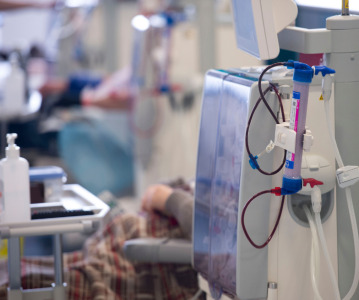
News US FDA adds haemodialysis bloodlines to devices shortage list
On March 14, 2025, the US FDA published an open letter to healthcare providers citing continuing supply disruptions of haemodialysis bloodlines, an essential component of dialysis machines.
-

News Vertex Pharmaceuticals stock jumps as FDA approves non-opioid painkiller
UK-based Vertex Pharmaceuticals saw their stock shares soar as the US FDA signed off on the non-opioid painkiller Journavx, also known as suzetrigine, for patients with moderate to severe acute pain, caused by surgery, accidents, or injuries.
-

News Lessons from CPHI Milan 2024: Sunny Intervals for Pharma Manufacturing?
As the 2024 CPHI conference wrapped up in Milan, we caught up with L.E.K. Consulting – a global strategy consulting firm with deep expertise in pharma manufacturing – to discuss evolving market perspectives and business outlook. -

News US BIOSECURE Act passed by US House of Representatives
The controversial act, which has already impacted several foreign companies operating in the US, was passed by the House of Representatives on September 9, 2024. It is now headed for the US Senate before it can be signed into law by President Joe Biden... -
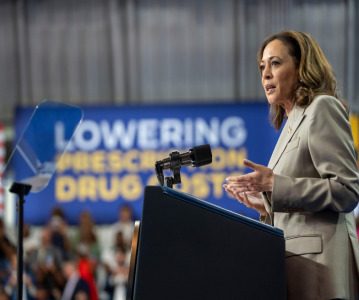
News Drug prices agreed upon as part of the US Inflation Reduction Act
The Inflation Reduction Act brought into constitution by the Biden administation in 2022, which proposed a drug price negotiation between the government and pharmaceutical companies, has reached it's first agreement.