
Government-backed Generics Limiting Netherlands’ Pharmaceutical Market Growth

The Netherlands’ pharmaceutical market value will rise slowly from approximately $6.7 billion in 2014 to $7.2 billion by 2020, with growth restricted by the government’s focus on generic drugs as a cost-containment tool, according to research and consulting firm GlobalData.
The company’s latest report* states that the introduction of preference policies by health insurers has played a significant role in the increasing share of prescriptions dispensed as generic medicines.
Generic substitution at the pharmacy level and drugs prescribed by their International Non-proprietary Name (INN) are permitted in the Netherlands, and physicians have adopted an electronic prescribing system through which the brand name of a drug automatically converts to the INN name.
Joshua Owide, GlobalData’s Director of Healthcare Industry Dynamics, says: “Due to preference policies, health insurers have restricted reimbursement to certain selected groups of medicines.
“Insurers mainly prefer the reimbursement of generic drugs, unless there are financial advantages involved in reimbursing patented medicines. Otherwise, patients are only allowed the reimbursement of non-preferred drugs if there is a medical need, which must be ratified by their physician.”
Actavis, Disphar International, Mylan, Pharmachemie, Apotex and Sandoz are the major generics players in the Netherlands. According to the Dutch Foundation for Pharmaceutical Statistics, generics had a 63.3% share of all prescription medicines sold in the country in 2012.
Owide explains: “The Netherlands’ generic market has huge potential for development due to the high number of leading drugs going off-patent every year.
“However, the impact of increasing amounts of generic drugs will slow the overall growth of the country's pharmaceutical market.”
*CountryFocus: Healthcare, Regulatory and Reimbursement Landscape - The Netherlands
Related News
-

News Pharmaceutical Supply Chain People Moves
The latest appointments, promotions, and structural changes across the pharmaceutical supply chain.
-

News Merck KGaA to buy US biotech SpringWorks for US$3.9 billion
The German multinational pharmaceutical company Merck KGaA have signed a deal to buy US biotech company SpringWorks Therapeutics at an equity value of US$3.9 billion in a move to add rare cancer therapeutics to their pipelines.
-

News Cassava Sciences halts Alzheimer's drug trial after limited progress
Cassava Sciences have drawn a close to their investigations and development of the drug simufilam, which they intended to be used for the treatment of Alzheimer’s disease.
-
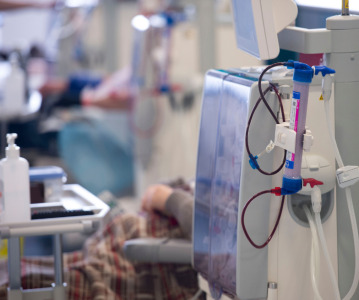
News US FDA adds haemodialysis bloodlines to devices shortage list
On March 14, 2025, the US FDA published an open letter to healthcare providers citing continuing supply disruptions of haemodialysis bloodlines, an essential component of dialysis machines.
-
News Vertex Pharmaceuticals stock jumps as FDA approves non-opioid painkiller
UK-based Vertex Pharmaceuticals saw their stock shares soar as the US FDA signed off on the non-opioid painkiller Journavx, also known as suzetrigine, for patients with moderate to severe acute pain, caused by surgery, accidents, or injuries.
-
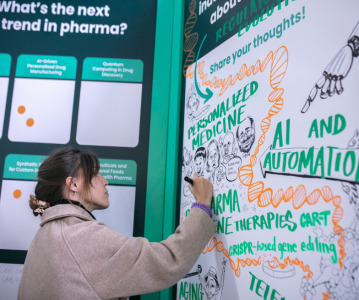
News Lessons from CPHI Milan 2024: Sunny Intervals for Pharma Manufacturing?
As the 2024 CPHI conference wrapped up in Milan, we caught up with L.E.K. Consulting – a global strategy consulting firm with deep expertise in pharma manufacturing – to discuss evolving market perspectives and business outlook. -
News US BIOSECURE Act passed by US House of Representatives
The controversial act, which has already impacted several foreign companies operating in the US, was passed by the House of Representatives on September 9, 2024. It is now headed for the US Senate before it can be signed into law by President Joe Biden... -
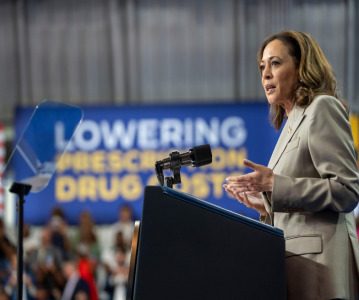
News Drug prices agreed upon as part of the US Inflation Reduction Act
The Inflation Reduction Act brought into constitution by the Biden administation in 2022, which proposed a drug price negotiation between the government and pharmaceutical companies, has reached it's first agreement.