
Higher breast cancer rates will push treatment market beyond $17 billion by 2021

The global breast cancer therapeutics market will increase in value from $10.4 billion in 2014 to $17.2 billion by 2021, says GBI Research.
Analysis from business intelligence provider GBI Research - Breast Cancer Therapeutics in Major Developed Markets to 2021 - states that such impressive growth will mostly be down to rapidly rising breast cancer diagnoses caused by an ageing population, changing lifestyles and increasing survival rates.
The introduction of several new therapies will help to drive breast cancer treatment market growth by 2021.
Analyst Deekshita Allavarapu: "In terms of upcoming breast cancer treatments, the overall pipeline is strong, with 743 products, and the early pipeline has many experimental molecules designed to target novel pathways.
"Promising pipeline drugs include abemaciclib, buparlisib, LEE 011, Olaparib and NeuVax, all of which are expected to be approved within the forecast period and have demonstrated significant clinical benefits in trials. In addition, rapid uptake of premium-priced biologics, such as Perjeta and Kadcyla, in all settings of the disease will contribute to the market growth."
The late-stage breast cancer pipeline is weak, with only 6% of candidates in Phase III of development, and targeted therapies, currently unrepresented by marketed products, almost non-existent within this phase.
GBI Research's report also states that the market will face some limitations due to patent expirations creating substantial opportunity for generic and biosimilar manufacturers.
Allavarapu continues: "The patents for a number of key breast cancer drugs, including Afinitor, Avastin and Herceptin, are expected to expire during the forecast period. However, the use of combinations of branded therapies in both the early-stage and metastatic settings will increase the Annual Cost of Therapy (ACoT) and offset the impact of patent expiries.
"For example, the ACoT for the combination of Perjeta with Herceptin is three times that of Herceptin monotherapy in both adjuvant and metastatic settings in the US. Therefore, even though Herceptin is set to expire in the near future, this will be offset by the approval of newer combination therapies and the growth of current premium therapies."
Related News
-

News Pharmaceutical Supply Chain People Moves
The latest appointments, promotions, and structural changes across the pharmaceutical supply chain.
-

News Merck KGaA to buy US biotech SpringWorks for US$3.9 billion
The German multinational pharmaceutical company Merck KGaA have signed a deal to buy US biotech company SpringWorks Therapeutics at an equity value of US$3.9 billion in a move to add rare cancer therapeutics to their pipelines.
-

News Cassava Sciences halts Alzheimer's drug trial after limited progress
Cassava Sciences have drawn a close to their investigations and development of the drug simufilam, which they intended to be used for the treatment of Alzheimer’s disease.
-

News US FDA adds haemodialysis bloodlines to devices shortage list
On March 14, 2025, the US FDA published an open letter to healthcare providers citing continuing supply disruptions of haemodialysis bloodlines, an essential component of dialysis machines.
-
News Vertex Pharmaceuticals stock jumps as FDA approves non-opioid painkiller
UK-based Vertex Pharmaceuticals saw their stock shares soar as the US FDA signed off on the non-opioid painkiller Journavx, also known as suzetrigine, for patients with moderate to severe acute pain, caused by surgery, accidents, or injuries.
-

News Lessons from CPHI Milan 2024: Sunny Intervals for Pharma Manufacturing?
As the 2024 CPHI conference wrapped up in Milan, we caught up with L.E.K. Consulting – a global strategy consulting firm with deep expertise in pharma manufacturing – to discuss evolving market perspectives and business outlook. -
News US BIOSECURE Act passed by US House of Representatives
The controversial act, which has already impacted several foreign companies operating in the US, was passed by the House of Representatives on September 9, 2024. It is now headed for the US Senate before it can be signed into law by President Joe Biden... -
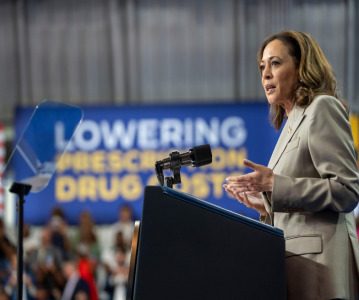
News Drug prices agreed upon as part of the US Inflation Reduction Act
The Inflation Reduction Act brought into constitution by the Biden administation in 2022, which proposed a drug price negotiation between the government and pharmaceutical companies, has reached it's first agreement.