Keeping Probiotics Alive: What Supplement Brands Need to Know
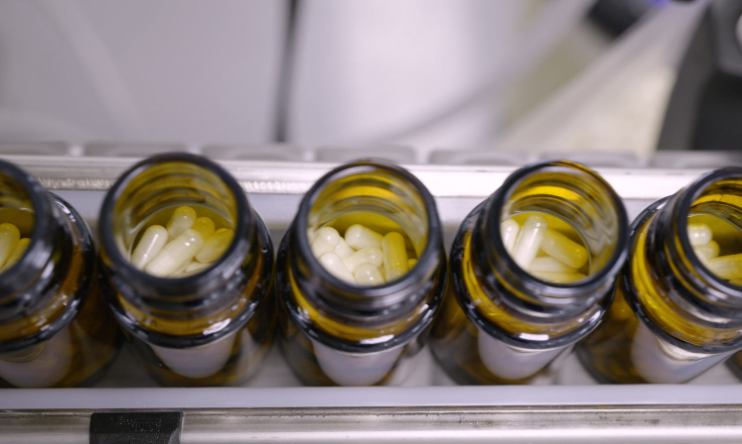
Probiotics
As the probiotic market grows, so do expectations. It’s not enough to launch a formula with science-backed strains. Brands today are expected to deliver viable probiotics, alive and effective, when they reach the consumer.
That’s not just about what goes into the capsule. It’s about how the product is handled, packaged, and stored every step of the way.
Why Probiotic Viability Is So CriticalProbiotics are living microorganisms. They only deliver health benefits when they’re alive at the time of consumption. That makes viability, the number of live, active cells that survive through shelf life, the most critical performance metric in probiotic manufacturing.
Formulation is just the beginning. Heat, humidity, and oxygen exposure during production and packaging can quickly degrade the product. Once viability drops below the promised CFU count, so does consumer confidence and regulatory compliance.
What Makes Probiotics Unique to Manufacture?Unlike traditional supplements, probiotics are biologically active. They react to their environment and can die off during blending, packaging, or transit. That’s why manufacturing them requires stricter controls:
Cold Chain Logistics Isn’t OptionalOne of the most overlooked yet essential elements of probiotic production is cold chain management. From production site to packaging line, probiotics must be stored and transported between -20°C and 8°C to prevent microbial degradation.
A strong manufacturing partner will: