
LGC accelerates the development of new medicines with extractables and leachables services
As regulatory pressure increases companies are saving time and money with effective extractables and leachables programmes.
LGC is successfully preventing pitfalls that can increase drug products time-to-market. There is increasing regulatory pressure on pharmaceutical companies to investigate the potential interaction between a dosage form and the primary closure and transfer system employed. A thorough scientifically sound extractables and leachables (E&L) programme is, therefore, an essential regulatory requirement.
Designing and implementing a suitable E&L programme can save significant time and cost in development and ultimately help to ensure product safety of drug packaging and delivery systems. LGC, which showcased its E&L services at CPHI 2016 in Barcelona, is helping customers to identify and quantify the compounds present in those components in direct contact with a drug product or patient and the likelihood of clinical exposure to these.
Mike Ludlow, Technical Study Manager, CMC Analytical Services at LGC, explains: “LGC works with customers to provide extractables assessment and leachables analysis for a variety of drug formulations and delivery systems, including inhalers, injectables, ophthalmics, intra-venous products and blister packs. LGC has pre-developed survey methodology for the assessment of volatiles, semi-volatiles, non-volatiles and inorganic extractables. LGC discussed its expertise in this area at CPHI, including extraction, deformulation and characterisation of polymeric container devices and drug delivery systems.”
He added: “CPHI was such a worthwhile experience as we managed to meet with many new people and discussed the wide range of challenges involved in providing high quality E&L support for pharmaceutical product development. It was great to engage with industry peers and have constructive discussion, LGC is proud to work with clients and colleagues such as these. Together we are able to support our vision of science for a safer world.”
Related News
-

News Pharmaceutical Supply Chain People Moves
The latest appointments, promotions, and structural changes across the pharmaceutical supply chain.
-

News Merck KGaA to buy US biotech SpringWorks for US$3.9 billion
The German multinational pharmaceutical company Merck KGaA have signed a deal to buy US biotech company SpringWorks Therapeutics at an equity value of US$3.9 billion in a move to add rare cancer therapeutics to their pipelines.
-

News Cassava Sciences halts Alzheimer's drug trial after limited progress
Cassava Sciences have drawn a close to their investigations and development of the drug simufilam, which they intended to be used for the treatment of Alzheimer’s disease.
-

News US FDA adds haemodialysis bloodlines to devices shortage list
On March 14, 2025, the US FDA published an open letter to healthcare providers citing continuing supply disruptions of haemodialysis bloodlines, an essential component of dialysis machines.
-
News Vertex Pharmaceuticals stock jumps as FDA approves non-opioid painkiller
UK-based Vertex Pharmaceuticals saw their stock shares soar as the US FDA signed off on the non-opioid painkiller Journavx, also known as suzetrigine, for patients with moderate to severe acute pain, caused by surgery, accidents, or injuries.
-
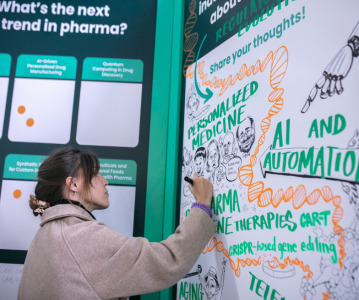
News Lessons from CPHI Milan 2024: Sunny Intervals for Pharma Manufacturing?
As the 2024 CPHI conference wrapped up in Milan, we caught up with L.E.K. Consulting – a global strategy consulting firm with deep expertise in pharma manufacturing – to discuss evolving market perspectives and business outlook. -
News US BIOSECURE Act passed by US House of Representatives
The controversial act, which has already impacted several foreign companies operating in the US, was passed by the House of Representatives on September 9, 2024. It is now headed for the US Senate before it can be signed into law by President Joe Biden... -
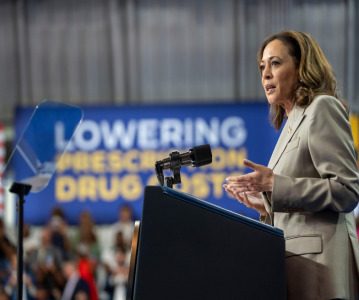
News Drug prices agreed upon as part of the US Inflation Reduction Act
The Inflation Reduction Act brought into constitution by the Biden administation in 2022, which proposed a drug price negotiation between the government and pharmaceutical companies, has reached it's first agreement.