
Lilly details robust R&D pipeline to investment community
Company states it has the potential to launch 20 new products in the 10 years beginning in 2014 and extending through 2023.
In a presentation to the investment community, Eli Lilly and Company stated it has the potential to launch 20 new products in the 10 years beginning in 2014 and extending through 2023. In addition, Lilly could launch an average of two new indications or line extensions for already-approved products per year during that same time period.
"We're pleased to share with investors the breadth and depth of the Lilly pipeline, which showcases our progress across our key therapeutic areas. This includes recent launches as well as a robust lineup of assets in late-stage development or already under regulatory review," said John C. Lechleiter, Lilly's chairman, president and CEO. "There are no guarantees given the nature of science and of our business; however, in looking at our recent launches and current pipeline, we believe we are in the midst of the most prolific period of new launches in our company's 140-year history."
Lilly's R&D efforts focus on five therapeutic areas where the company has assets and capabilities that enable it to compete successfully. These include four core areas — diabetes, oncology, immunology and neurodegeneration — and one emerging area — pain. Building upon a similar investment community meeting in December 2015 focused on neurodegeneration — specifically Alzheimer's disease — as well as animal health, today's presentation highlighted the company's R&D strategy and progress in diabetes, oncology, immunology and pain.
"We have improved the productivity and success of our pipeline through discrete actions aimed at enhancing focus, quality and speed, and by positioning ourselves as an attractive partner for external innovation opportunities," said Jan Lundberg, executive vice president of science and technology and president of Lilly Research Laboratories. "These improvements have led to the potential for unprecedented R&D output."
Diabetes
Lilly's long-standing commitment to diabetes care dates to 1923, when it was the first company to bring insulin to patients. Today, the company has the broadest range of diabetes therapies in the industry. Lilly's R&D efforts in diabetes focus on differentiated therapeutics and delivery devices within three key areas of unmet need: glucose control, metabolic control and end-organ protection. The company aims to combine its strong in-house diabetes R&D capabilities with a comprehensive external network to deliver continued innovation in this important area of therapy.
Oncology
Lilly has a long history of leadership in oncology. The company has a balanced R&D approach across three key areas of disease modification: tumor cell signaling, tumor microenvironment and immuno-oncology. This approach allows for testing of combinations of internally-derived agents to address tumor heterogeneity and drug resistance. Lilly has a portfolio of differentiated assets across these approaches, including Cyramza® (ramucirumab), Portrazza™ (necitumumab), olaratumab and abemaciclib. Lilly's immuno-oncology portfolio will have five differentiated molecules in clinical testing by the end of 2016, and as many as 11 by the end of 2018.
Immunology
With the recent launch of Taltz® (ixekizumab) and the submission of baricitinib for regulatory review, Lilly has designated immunology as the company's newest core therapeutic area. While these assets represent the foundational first wave of innovation, Lilly has built a robust emerging pipeline of both internal assets and partnered molecules focusing on key pathways and interventions in multiple autoimmune diseases.
Neurodegeneration
Lilly's commitment to Alzheimer's disease is demonstrated by its more than 25 years of research and development in the field. As a result of this sustained effort and deep understanding of the disease, Lilly today has one of the industry's most comprehensive Alzheimer's portfolios, with seven molecules already in human testing. The company's Alzheimer's research includes disease prevention, detection and treatment.
Pain
Pain is an emerging research area for Lilly, focusing on non-opioid treatment for chronic pain. The two late-stage innovative medicines currently in development are galcanezumab (CGRP Ab), being studied for cluster headache and migraine, and tanezumab, being studied for osteoarthritis pain, chronic lower back pain and cancer pain in partnership with Pfizer.
Related News
-

News Pharmaceutical Supply Chain People Moves
The latest appointments, promotions, and structural changes across the pharmaceutical supply chain.
-

News Merck KGaA to buy US biotech SpringWorks for US$3.9 billion
The German multinational pharmaceutical company Merck KGaA have signed a deal to buy US biotech company SpringWorks Therapeutics at an equity value of US$3.9 billion in a move to add rare cancer therapeutics to their pipelines.
-

News Cassava Sciences halts Alzheimer's drug trial after limited progress
Cassava Sciences have drawn a close to their investigations and development of the drug simufilam, which they intended to be used for the treatment of Alzheimer’s disease.
-

News US FDA adds haemodialysis bloodlines to devices shortage list
On March 14, 2025, the US FDA published an open letter to healthcare providers citing continuing supply disruptions of haemodialysis bloodlines, an essential component of dialysis machines.
-

News Vertex Pharmaceuticals stock jumps as FDA approves non-opioid painkiller
UK-based Vertex Pharmaceuticals saw their stock shares soar as the US FDA signed off on the non-opioid painkiller Journavx, also known as suzetrigine, for patients with moderate to severe acute pain, caused by surgery, accidents, or injuries.
-

News Lessons from CPHI Milan 2024: Sunny Intervals for Pharma Manufacturing?
As the 2024 CPHI conference wrapped up in Milan, we caught up with L.E.K. Consulting – a global strategy consulting firm with deep expertise in pharma manufacturing – to discuss evolving market perspectives and business outlook. -

News US BIOSECURE Act passed by US House of Representatives
The controversial act, which has already impacted several foreign companies operating in the US, was passed by the House of Representatives on September 9, 2024. It is now headed for the US Senate before it can be signed into law by President Joe Biden... -
News Drug prices agreed upon as part of the US Inflation Reduction Act
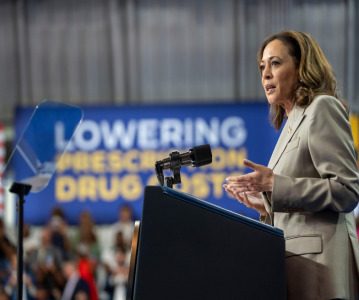
The Inflation Reduction Act brought into constitution by the Biden administation in 2022, which proposed a drug price negotiation between the government and pharmaceutical companies, has reached it's first agreement.