
Lilly gets its hands on non-opioid pain asset

Early-phase molecule from Centrexion to be developed further as a potential non-opioid treatment option for multiple pain conditions.
Eli Lilly has announced a license agreement to acquire the exclusive worldwide rights for CNTX-0290 from Centrexion Therapeutics Corporation, a company focused on developing non-opioid, non-addictive therapeutics for the treatment of chronic pain. CNTX-0290, is a novel, small molecule somatostatin receptor type 4 (SSTR4) agonist that is currently being studied in Phase I clinical testing as a potential non-opioid treatment for chronic pain conditions.
Under the terms of the agreement, Lilly will pay Centrexion an upfront payment of $47.5 million and Centrexion may be eligible for up to $575 million in potential development and regulatory milestones. If CNTX-0290 is successfully commercialized, Centrexion would be eligible for up to $375 million in potential sales milestones and tiered royalties ranging from the high-single to low-double digits. Lilly and Centrexion may also elect at a later date to co-promote CNTX-0290 in the US.
"Lilly is committed to developing new medicines for people struggling with chronic pain," said Mark Mintun, vice president of pain and neurodegeneration research at Lilly. "We are pleased to license this early-phase molecule from Centrexion, and look forward to developing it further as a potential non-opioid treatment option for multiple pain conditions."
"This collaboration marks an important step for Centrexion in the progress of its pipeline and demonstrates our ability to identify promising early stage assets working at new targets for chronic pain and efficiently take them through to development," said Jeffrey B. Kindler, chief executive officer of Centrexion. "Lilly's robust pain management portfolio and successful track record developing and commercializing novel therapies make them an ideal company to advance CNTX-0290. Importantly, this agreement aims to efficiently deliver an innovative new treatment to patients that can address the significant unmet medical need of chronic pain."
Related News
-

News Pharmaceutical Supply Chain People Moves
The latest appointments, promotions, and structural changes across the pharmaceutical supply chain.
-

News Merck KGaA to buy US biotech SpringWorks for US$3.9 billion
The German multinational pharmaceutical company Merck KGaA have signed a deal to buy US biotech company SpringWorks Therapeutics at an equity value of US$3.9 billion in a move to add rare cancer therapeutics to their pipelines.
-

News Cassava Sciences halts Alzheimer's drug trial after limited progress
Cassava Sciences have drawn a close to their investigations and development of the drug simufilam, which they intended to be used for the treatment of Alzheimer’s disease.
-

News US FDA adds haemodialysis bloodlines to devices shortage list
On March 14, 2025, the US FDA published an open letter to healthcare providers citing continuing supply disruptions of haemodialysis bloodlines, an essential component of dialysis machines.
-
News Vertex Pharmaceuticals stock jumps as FDA approves non-opioid painkiller
UK-based Vertex Pharmaceuticals saw their stock shares soar as the US FDA signed off on the non-opioid painkiller Journavx, also known as suzetrigine, for patients with moderate to severe acute pain, caused by surgery, accidents, or injuries.
-
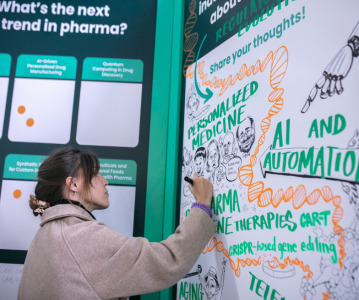
News Lessons from CPHI Milan 2024: Sunny Intervals for Pharma Manufacturing?
As the 2024 CPHI conference wrapped up in Milan, we caught up with L.E.K. Consulting – a global strategy consulting firm with deep expertise in pharma manufacturing – to discuss evolving market perspectives and business outlook. -

News US BIOSECURE Act passed by US House of Representatives
The controversial act, which has already impacted several foreign companies operating in the US, was passed by the House of Representatives on September 9, 2024. It is now headed for the US Senate before it can be signed into law by President Joe Biden... -
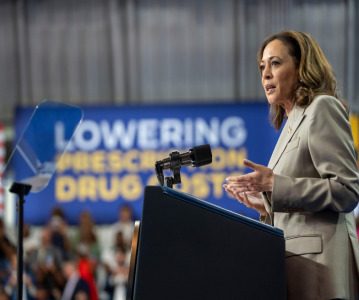
News Drug prices agreed upon as part of the US Inflation Reduction Act
The Inflation Reduction Act brought into constitution by the Biden administation in 2022, which proposed a drug price negotiation between the government and pharmaceutical companies, has reached it's first agreement.