
Live Cell Imaging Revolutionises Disease Diagnostics and Drug Discovery

Tremendous advances in electronics, optics, fluorescent tools, and molecular biology have made live cell imaging technologies more accessible to life scientists looking to understand biological dynamics and visualize cellular events in organisms. The foray of omics technologies and nanotechnologies into mainstream medicine has already enabled commercial lab-on-a-chip microfluidics systems that analyse cells, DNA, RNA and proteins. As live cell imaging evolves, it will become an integral part of disease diagnostics and drug discovery processes.
New analysis from Frost & Sullivan, The Untapped Potential in Live Cell Imaging, finds that live cell imaging technologies will have a large number of niche applications in cell biology, cancer research, developmental biology and neuroscience. Currently available technologies include live cell-based tests systems and molecular models such as high resolution imaging systems.
“The principal challenges to successful live cell imaging are microscopic settings optimization, fluorescent components selection, and culture environment maintenance,” said Technical Insights Senior Research Analyst Cecilia Van Cauwenberghe. “Parallel advances in the field of cell culturing will also be critical to ensure accurate, real-time results.”
Employing live cell imaging along with fixed cell tests before the former completely replaces the latter will lower costs and shorten throughput times. Equipment combining microscopes with cell culture incubators is already on offer, facilitating affordable 3D, real-time evaluation, multiplexing and automation capabilities.
Tightly integrated systems can provide new standards of precision and levels of efficiency for the study of individual and small groups of live cells. They will enable novel approaches for multiple cell analysis, simultaneous processing, and multi-day time lapse live cell imaging.
However, it is vital that government patent systems protect these innovations, especially since new players in the market emerge from different start points. Similarly, measures must be taken to reduce uncertainty regarding reimbursements, and to establish frameworks guaranteeing equilibrium among tier I companies, small and medium enterprises, and start-ups designing novel technologies.
“Intellectual property regimes promoting integration between academia and industry in order to deliver new solutions are necessary,” concluded Cauwenberghe. “Drug producers must collaborate with other stakeholders to translate live cell imaging innovations into clinically meaningful tests that can be used for diagnosis, prognosis and drug development.”
The Untapped Potential in Live Cell Imaging, a part of the Technical Insights (www.technicalinsights.frost.com) subscription, is aimed at delivering an overview of live cell imaging technologies. Recent developments and trends in the industry, technical and business challenges for live cell imaging, technical and business drivers that are fuelling success in this industry, and potential application areas of live cell imaging have also been captured in this study. Further, this study includes detailed technology analysis and industry trends evaluated following extensive interviews with market participants. Technical Insights is an international technology analysis business that produces a variety of technical news alerts, newsletters, and research services.
Related News
-

News Pharmaceutical Supply Chain People Moves
The latest appointments, promotions, and structural changes across the pharmaceutical supply chain.
-

News Merck KGaA to buy US biotech SpringWorks for US$3.9 billion
The German multinational pharmaceutical company Merck KGaA have signed a deal to buy US biotech company SpringWorks Therapeutics at an equity value of US$3.9 billion in a move to add rare cancer therapeutics to their pipelines.
-

News Cassava Sciences halts Alzheimer's drug trial after limited progress
Cassava Sciences have drawn a close to their investigations and development of the drug simufilam, which they intended to be used for the treatment of Alzheimer’s disease.
-
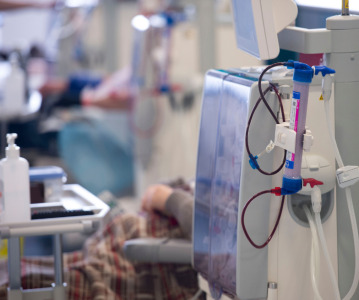
News US FDA adds haemodialysis bloodlines to devices shortage list
On March 14, 2025, the US FDA published an open letter to healthcare providers citing continuing supply disruptions of haemodialysis bloodlines, an essential component of dialysis machines.
-

News Vertex Pharmaceuticals stock jumps as FDA approves non-opioid painkiller
UK-based Vertex Pharmaceuticals saw their stock shares soar as the US FDA signed off on the non-opioid painkiller Journavx, also known as suzetrigine, for patients with moderate to severe acute pain, caused by surgery, accidents, or injuries.
-

News Lessons from CPHI Milan 2024: Sunny Intervals for Pharma Manufacturing?
As the 2024 CPHI conference wrapped up in Milan, we caught up with L.E.K. Consulting – a global strategy consulting firm with deep expertise in pharma manufacturing – to discuss evolving market perspectives and business outlook. -

News US BIOSECURE Act passed by US House of Representatives
The controversial act, which has already impacted several foreign companies operating in the US, was passed by the House of Representatives on September 9, 2024. It is now headed for the US Senate before it can be signed into law by President Joe Biden... -

News Drug prices agreed upon as part of the US Inflation Reduction Act
The Inflation Reduction Act brought into constitution by the Biden administation in 2022, which proposed a drug price negotiation between the government and pharmaceutical companies, has reached it's first agreement.