Lyophilized Vials Choice
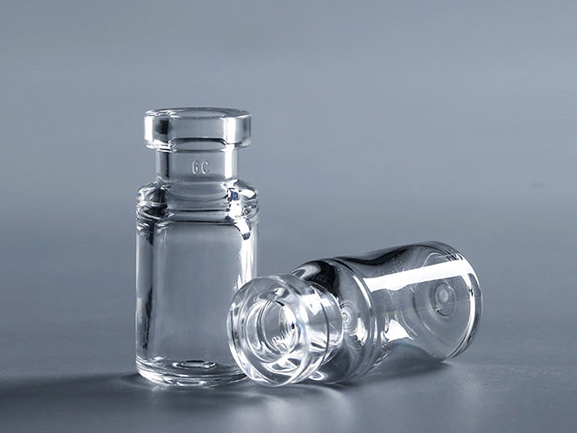
COP vial
These Lyophilized vials must maintain their physical integrity throughout the process and ensure the drug product is protected from contamination, moisture, and chemical interaction.
In the fast-evolving world of pharmaceuticals and biologics, ensuring product stability, shelf life, and efficacy is more critical than ever. One technology that has stood the test of time—yet continues to grow in importance—is lyophilization, or freeze-drying. At the heart of this process is a humble yet vital component: the lyophilized vial.
These specialized vials are more than just containers—they are precision-engineered vessels designed to preserve high-value drugs under extreme conditions and ensure they reach patients in optimal condition.
Polymer Vial for cell and gene therapies
What Is Lyophilization?
Lyophilization is a freeze-drying process used to remove water from sensitive substances like vaccines, antibodies, enzymes, and other biologics. The process involves three stages:
Freezing the product
Primary drying (sublimation) under vacuum
Secondary drying to remove residual moisture
This results in a stable, dry product that can be stored for long periods at ambient or refrigerated temperatures—often critical for global distribution.
Why Use Lyophilized Vials?
Lyophilized vials are not ordinary glass containers. They are designed and manufactured to withstand the unique stresses of the lyophilization process, including:
Extreme cold temperatures during freezing (as low as −80°C)
Vacuum conditions that can affect container integrity
Sterilization compatibility
Moisture sensitivity, which can compromise drug stability
These vials must maintain their physical integrity throughout the process and ensure the drug product is protected from contamination, moisture, and chemical interaction.
Key Benefits of Lyophilized Vials
1. Extended Shelf Life
By removing moisture, lyophilized drugs are significantly more stable. This is especially important for biologics, which are often highly sensitive to degradation in aqueous solutions.
2. Cold Chain Reduction
Lyophilized drugs often require only refrigerated or even ambient storage, reducing dependence on costly and logistically complex cold chain infrastructure.
3. Precision and Dosage Control
Lyophilized vials allow for exact dosing of powdered formulations, which can be reconstituted with a diluent immediately prior to administration.
4. Improved Transportability
Freeze-dried products are less fragile and less likely to degrade during long-distance shipping, making them ideal for global healthcare delivery and pandemic preparedness.
RTU(ready to use) 2ml COP vial
Common Applications
Lyophilized vials are used across a wide spectrum of drugs and biologics, including:
Vaccines
Monoclonal antibodies
Peptide hormones
Enzymes
Small-molecule injectables
Cell and gene therapy intermediates
Material Considerations: Glass vs. Polymer Vials
Traditionally, lyophilized vials are made from Type I borosilicate glass, which offers excellent chemical resistance and thermal stability. However, advanced polymers like COP (Cyclic Olefin Polymer) are emerging as viable alternatives due to their durability, break resistance, and reduced protein adsorption—particularly valuable for high-end biologics.
Lyophilization-Ready Design Features
A proper lyophilized vial should include:
Uniform wall thickness for thermal conductivity during freeze-drying
Flat bottoms to maximize contact with the freeze dryer shelf
Dimensional precision for seamless compatibility with stoppers, seals, and automated filling systems
Low particulate levels to reduce risk of contamination