
Merck launches new gene editing technology to engineer virus resistant CHO cell lines

Enhances viral safety while maintaining cell line productivity, protein quality.
Merck has launched a first-of-its-kind gene editing technology to modify CHO cell lines to be resistant to minute virus of mice (MVM), a common contamination threat that remains despite the shift to chemically defined, animal component-free manufacturing processes. CHO cells are commonly used in the manufacture of biologics.
Merck's new Centinel technology targets genes which play a role in MVM susceptibility. Viral contaminations such as MVM can have major consequences for biopharmaceutical manufacturers, costing hundreds of millions of dollars, according to industry reports. The greatest impact of such contamination is on patients, as access to therapies can be put in jeopardy. Centinel technology provides manufacturers with an additional path for mitigating the risk of MVM contamination, while maintaining an equivalent level of protein quality and cell line productivity.
"The Centinel program is just one example of how we are combining years of expertise and credibility in process development, biologics manufacturing and gene editing tools to increase safety for our customers and their patients," said Udit Batra, member of the Merck Executive Board and CEO, Life Science. "We are also leveraging this unique combination of experience and technologies to address some of the industry's most complex challenges and exciting applications, including cell therapy."
Under the Centinel program, Merck can modify customers' CHO cell lines to provide viral resistance to MVM. A patent application has been submitted for the technology used in the gene editing approach to viral resistance.
The company's BioReliance testing services can validate MVM resistance and demonstrate the virus is not propagated in the cell line. Alternatively, customers can purchase the zinc finger nuclease pairs to engineer cell lines directly.
Merck's new Centinel technology builds on the company's expertise in gene editing and biomanufacturing processes, as well as its in-depth understanding of the regulatory environment. In addition to enhancing the safety of biomanufacturing, Merck is also applying this expertise and approach to develop other technologies and services, including those supporting the cell therapy industry.
Related News
-

News Pharmaceutical Supply Chain People Moves
The latest appointments, promotions, and structural changes across the pharmaceutical supply chain.
-

News Merck KGaA to buy US biotech SpringWorks for US$3.9 billion
The German multinational pharmaceutical company Merck KGaA have signed a deal to buy US biotech company SpringWorks Therapeutics at an equity value of US$3.9 billion in a move to add rare cancer therapeutics to their pipelines.
-

News Cassava Sciences halts Alzheimer's drug trial after limited progress
Cassava Sciences have drawn a close to their investigations and development of the drug simufilam, which they intended to be used for the treatment of Alzheimer’s disease.
-

News US FDA adds haemodialysis bloodlines to devices shortage list
On March 14, 2025, the US FDA published an open letter to healthcare providers citing continuing supply disruptions of haemodialysis bloodlines, an essential component of dialysis machines.
-

News Vertex Pharmaceuticals stock jumps as FDA approves non-opioid painkiller
UK-based Vertex Pharmaceuticals saw their stock shares soar as the US FDA signed off on the non-opioid painkiller Journavx, also known as suzetrigine, for patients with moderate to severe acute pain, caused by surgery, accidents, or injuries.
-

News Lessons from CPHI Milan 2024: Sunny Intervals for Pharma Manufacturing?
As the 2024 CPHI conference wrapped up in Milan, we caught up with L.E.K. Consulting – a global strategy consulting firm with deep expertise in pharma manufacturing – to discuss evolving market perspectives and business outlook. -

News US BIOSECURE Act passed by US House of Representatives
The controversial act, which has already impacted several foreign companies operating in the US, was passed by the House of Representatives on September 9, 2024. It is now headed for the US Senate before it can be signed into law by President Joe Biden... -
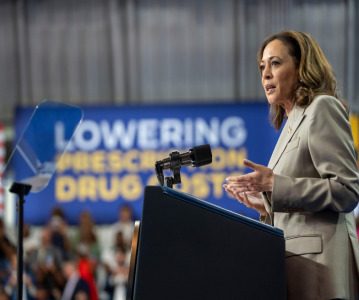
News Drug prices agreed upon as part of the US Inflation Reduction Act
The Inflation Reduction Act brought into constitution by the Biden administation in 2022, which proposed a drug price negotiation between the government and pharmaceutical companies, has reached it's first agreement.