
Mylan recalls batches of Nizatidine capsules after nitrosamine detected in API
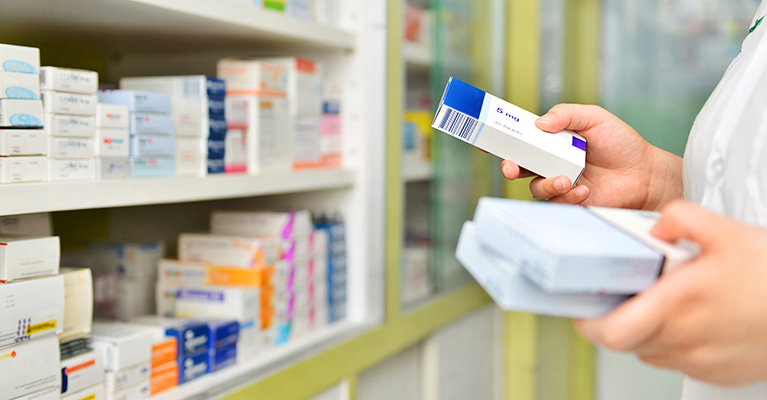
The US arm of generic and specialty pharma company Mylan Pharmaceuticals has recalled three lots of its heartburn drug Nizatidine in capsule form amid fears of possible nitrosamine contamination.
The voluntary nationwide recall comes after trace amounts of the nitrosamine impurity N-Nitrosodimethylamine (NDMA) were detected in the active pharmaceutical ingredient (API) supplied by India-based Solara Active Pharma Sciences Ltd.
Mylan said it had recalled three lots of Nizatidine capsules, including the 150mg and 300mg strengths, which were distributed to wholesalers, mail order pharmacies, wholesale and retail pharmacies and a distributor between June 2017 and August 2018.
The company has so far not received any reports of adverse events related to these batches, it added.
The action marks the latest in a string of recalls prompted by the potential risk of nitrosamine impurities in medications that have rocked the API manufacturing sector over the last two years.
The US Food and Drug Administration first said it had detected NDMA in Angiotensin II receptor blockers used to treat blood pressure and heart conditions and heartburn drug, ranitidine, sold under the brand name Zantac among others, back in July 2018.
The drug regulator has asked manufacturers of nizatidine and ranitidine to test their products for NDMA and send samples in. It is also conducting ongoing investigations into the presence of nitrosamine in other drug products.
Meanwhile, the European Medicines Agency has asked manufacturers to complete a risk assessment of products potentially affected by 26 March this year.
NDMA, a chemical form of nitrosamine and generally found in water and foods, including processed meats dairy products and vegetables, is classified as a probable human carcinogen that could cause cancer.
Nizatidine is a histamine H2 receptor antagonist used to treat active duodenal ulcers and benign gastric ulcers as well as gastroesophageal reflux disease. It was first approved for medical use in 1987.
Related News
-

News Pharmaceutical Supply Chain People Moves
The latest appointments, promotions, and structural changes across the pharmaceutical supply chain.
-

News Merck KGaA to buy US biotech SpringWorks for US$3.9 billion
The German multinational pharmaceutical company Merck KGaA have signed a deal to buy US biotech company SpringWorks Therapeutics at an equity value of US$3.9 billion in a move to add rare cancer therapeutics to their pipelines.
-

News Cassava Sciences halts Alzheimer's drug trial after limited progress
Cassava Sciences have drawn a close to their investigations and development of the drug simufilam, which they intended to be used for the treatment of Alzheimer’s disease.
-
News US FDA adds haemodialysis bloodlines to devices shortage list
On March 14, 2025, the US FDA published an open letter to healthcare providers citing continuing supply disruptions of haemodialysis bloodlines, an essential component of dialysis machines.
-
News Vertex Pharmaceuticals stock jumps as FDA approves non-opioid painkiller
UK-based Vertex Pharmaceuticals saw their stock shares soar as the US FDA signed off on the non-opioid painkiller Journavx, also known as suzetrigine, for patients with moderate to severe acute pain, caused by surgery, accidents, or injuries.
-

News Lessons from CPHI Milan 2024: Sunny Intervals for Pharma Manufacturing?
As the 2024 CPHI conference wrapped up in Milan, we caught up with L.E.K. Consulting – a global strategy consulting firm with deep expertise in pharma manufacturing – to discuss evolving market perspectives and business outlook. -
News US BIOSECURE Act passed by US House of Representatives
The controversial act, which has already impacted several foreign companies operating in the US, was passed by the House of Representatives on September 9, 2024. It is now headed for the US Senate before it can be signed into law by President Joe Biden... -
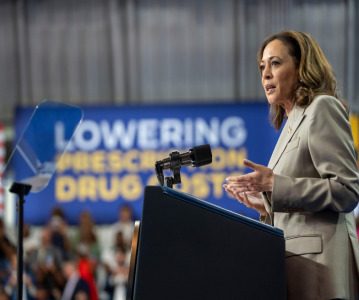
News Drug prices agreed upon as part of the US Inflation Reduction Act
The Inflation Reduction Act brought into constitution by the Biden administation in 2022, which proposed a drug price negotiation between the government and pharmaceutical companies, has reached it's first agreement.