
New asthma treatments on the horizon?

Studies suggest calcilytics may represent effective future asthma therapeutics.
The potential approval of anti-asthmatic calcilytics could address significant unmet needs in the asthma space and give sufferers greater control over their condition, according to business intelligence provider GBI Research.
The company’s latest white paper states that current asthma treatment options are adequate for the majority of patients, but there are a number of patients – roughly one in 12 – that do not respond to them and therefore suffer inadequate disease control. According to Asthma UK, although it only applies to a minority of patients, this unmet need accounts for around 90% of global healthcare costs associated with asthma.
Callum Dew, Associate Analyst for GBI Research, notes: “A number of studies have now begun to demonstrate the direct relationship between calcium sensing receptors (CaSR) inhibition – through the use of calcilytics – and levels of bodily fluid biomarkers. Certain blood and bodily fluid biomarkers are known to be associated with asthma, and furthermore increased levels of expression of these biomarkers can correlate with disease severity.”
A 2015 study by Cardiff University used an inhaled form of calcilytics in an asthmatic mouse model to show that raised levels of polycations activated the CaSR, preventing asthmatic symptoms. The results were replicated when examining the effect of calcilytics on samples of asthmatic human airway tissue. The researchers concluded that calcilytics may represent effective future asthma therapeutics.
Dew concludes: “Calcilytics have been used for the treatment of osteoporosis for the last 15 years, and although safe and well tolerated, their use has decreased from their previous indication, which could lead to an accelerated time to regulatory approval compared with newly discovered asthma therapeutics. This places these products ahead of first-in-class developmental programs, which themselves are not direct calcilytics and would take far longer to gain market approval.”
Related News
-

News Pharmaceutical Supply Chain People Moves
The latest appointments, promotions, and structural changes across the pharmaceutical supply chain.
-

News Merck KGaA to buy US biotech SpringWorks for US$3.9 billion
The German multinational pharmaceutical company Merck KGaA have signed a deal to buy US biotech company SpringWorks Therapeutics at an equity value of US$3.9 billion in a move to add rare cancer therapeutics to their pipelines.
-

News Cassava Sciences halts Alzheimer's drug trial after limited progress
Cassava Sciences have drawn a close to their investigations and development of the drug simufilam, which they intended to be used for the treatment of Alzheimer’s disease.
-

News US FDA adds haemodialysis bloodlines to devices shortage list
On March 14, 2025, the US FDA published an open letter to healthcare providers citing continuing supply disruptions of haemodialysis bloodlines, an essential component of dialysis machines.
-

News Vertex Pharmaceuticals stock jumps as FDA approves non-opioid painkiller
UK-based Vertex Pharmaceuticals saw their stock shares soar as the US FDA signed off on the non-opioid painkiller Journavx, also known as suzetrigine, for patients with moderate to severe acute pain, caused by surgery, accidents, or injuries.
-

News Lessons from CPHI Milan 2024: Sunny Intervals for Pharma Manufacturing?
As the 2024 CPHI conference wrapped up in Milan, we caught up with L.E.K. Consulting – a global strategy consulting firm with deep expertise in pharma manufacturing – to discuss evolving market perspectives and business outlook. -

News US BIOSECURE Act passed by US House of Representatives
The controversial act, which has already impacted several foreign companies operating in the US, was passed by the House of Representatives on September 9, 2024. It is now headed for the US Senate before it can be signed into law by President Joe Biden... -
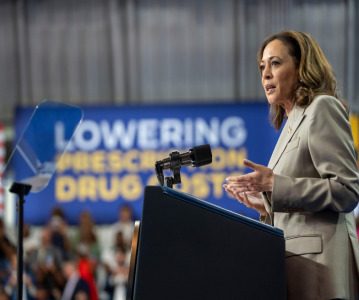
News Drug prices agreed upon as part of the US Inflation Reduction Act
The Inflation Reduction Act brought into constitution by the Biden administation in 2022, which proposed a drug price negotiation between the government and pharmaceutical companies, has reached it's first agreement.