
New Lyme Disease Guidelines Welcomed by Sufferers of Chronic Lyme Disease
Current treatments for Lyme disease, particularly chronic forms of the disease, are inadequate, according to a new treatment guideline written by a group of leading experts.
Adopted by the International Lyme and Associated Disease Society (ILADS) and published in the Expert Review of Anti-infective Therapy, the guideline also proposes revamped treatment guidelines to help clinicians across the globe deliver better care to patients.
Lyme disease is a bacterial infection caused by infected ticks, and is thought to affect 300,000 people annually in the US alone. The chronic form of the disease, which sees long-lasting symptoms including fatigue, headaches and joint pain, is regularly misdiagnosed and mismanaged by clinicians.
The paper claims that current antibiotic protocols used by many physicians to prevent and treat Lyme disease are ineffective, and can actually lead to an increased risk of Lyme disease developing into a chronic illness.
Daniel Cameron MD, lead author of the study said: “We are seeing more people diagnosed with Lyme disease who simply don’t get better after being treated. Our goal with these new guidelines is to provide evidence-based, patient-centred care for sufferers, helping clinicians make the right treatment decisions.
“We strongly recommend that patient goals and values regarding treatment options be identified and considered during a shared decision-making process.”
The paper also notes the desperate need for better understanding of this complex illness. Currently there is limited available evidence regarding treatment.
Cameron continued: “The lack of pharmaceutical interest in Lyme disease and its concomitant funding has led to therapeutic innovation coming from clinicians. But we unquestionably need more research to better define the disease process and to establish highly effective therapeutic regimens.”
View the full journal article here.
Related News
-

News Pharmaceutical Supply Chain People Moves
The latest appointments, promotions, and structural changes across the pharmaceutical supply chain.
-

News Merck KGaA to buy US biotech SpringWorks for US$3.9 billion
The German multinational pharmaceutical company Merck KGaA have signed a deal to buy US biotech company SpringWorks Therapeutics at an equity value of US$3.9 billion in a move to add rare cancer therapeutics to their pipelines.
-

News Cassava Sciences halts Alzheimer's drug trial after limited progress
Cassava Sciences have drawn a close to their investigations and development of the drug simufilam, which they intended to be used for the treatment of Alzheimer’s disease.
-
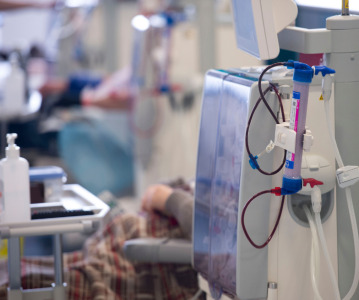
News US FDA adds haemodialysis bloodlines to devices shortage list
On March 14, 2025, the US FDA published an open letter to healthcare providers citing continuing supply disruptions of haemodialysis bloodlines, an essential component of dialysis machines.
-

News Vertex Pharmaceuticals stock jumps as FDA approves non-opioid painkiller
UK-based Vertex Pharmaceuticals saw their stock shares soar as the US FDA signed off on the non-opioid painkiller Journavx, also known as suzetrigine, for patients with moderate to severe acute pain, caused by surgery, accidents, or injuries.
-

News Lessons from CPHI Milan 2024: Sunny Intervals for Pharma Manufacturing?
As the 2024 CPHI conference wrapped up in Milan, we caught up with L.E.K. Consulting – a global strategy consulting firm with deep expertise in pharma manufacturing – to discuss evolving market perspectives and business outlook. -

News US BIOSECURE Act passed by US House of Representatives
The controversial act, which has already impacted several foreign companies operating in the US, was passed by the House of Representatives on September 9, 2024. It is now headed for the US Senate before it can be signed into law by President Joe Biden... -
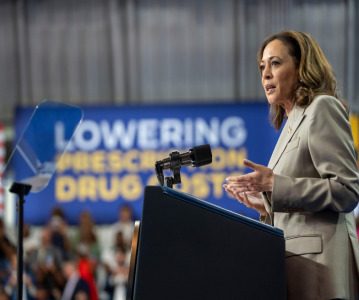
News Drug prices agreed upon as part of the US Inflation Reduction Act
The Inflation Reduction Act brought into constitution by the Biden administation in 2022, which proposed a drug price negotiation between the government and pharmaceutical companies, has reached it's first agreement.