
New SIMCA 16 software for multivariate data analytics
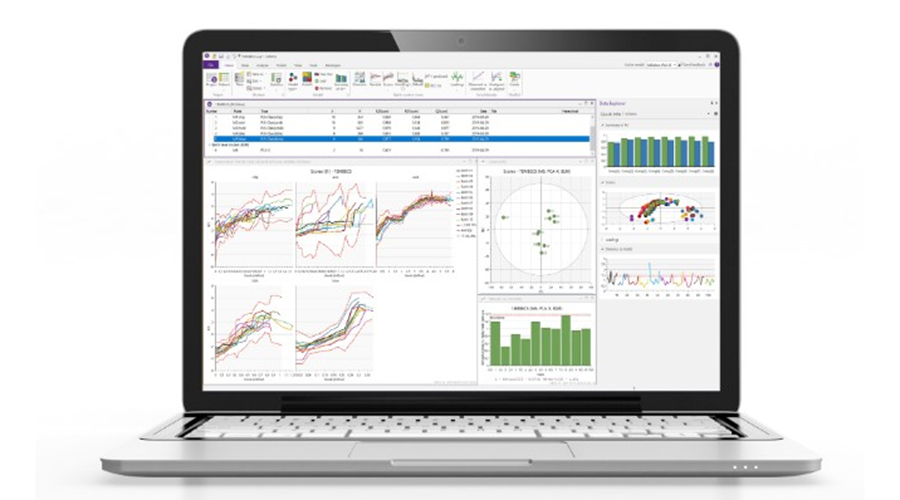
Sartorius Stedim Biotech introduces new SIMCA 16 software for Multivariate Data Analytics.
Makes model data easier to interpret for better process control.
Sartorius Stedim Biotech (SSB) has announced the new SIMCA 16 software for multivariate data analytics is available from its subsidiary Sartorius Stedim Data Analytics. The updated SIMCA focuses on delivering a complete data analysis experience, from data organization through to data-driven decision making, supported by multivariate models for single and multiblock analysis.
The new SIMCA 16 software has enhanced functionality features which will save time for expert users, as well as those new to multivariate data analysis. Usability improvements provide novices with an intuitive introduction to SIMCA and existing users with superior plot interactivity and quick raw data visualization capabilities. The software’s updated graphical interface with its context-based ribbons and panes means scientists will spend less time looking for functions and the new ribbons will be especially useful for those working with batch data. The new data analytics software also includes a wizard that adapts to users’ modelling objectives (rather than focusing on which algorithm to use) and guides them through set-up, making the initial steps of creating each model easier. Additionally, its advanced data merging functionality saves time by eliminating the need to manually combine and align data in Excel.
To make pattern data in models easier to interpret and use, SIMCA 16 comes with novel score space exploration and multivariate solver tools which help turn models into real-life factor combinations. In just one click, the score space exploration tool allows users to convert scatter plots into real factor settings to, for example, detect which sample is missing in a stack of observations. With the multivariate solver tool, scientists can determine optimum factor settings for desired process outputs such as Critical Quality Attributes and can also lock model parameters to a specific batch of raw material to find the process parameters for achieving consistent product quality and operational efficiency. Both tools make trouble shooting process data and performing deviation analysis simpler tasks.
To increase application and functional flexibility, SIMCA 16 includes MOCA, a novel tool for analyzing more than two blocks of data and new Python plugin capability. MOCA provides a quick overview of an entire system, delivering invaluable information for continuing analysis, and is ideal for scientists such as systems biologists wanting to compare data from one system that has been obtained using different “omics” and other techniques.
The Python plugin functionality in SIMCA 16 provides greater workflow flexibility by enabling users to create a file reader plugin which can read files like any other file format as they are being imported. This is especially useful when scientists need to transfer data from a new instrument with a non-standard export format or from text files where data is not configured correctly for SIMCA, saving them time and effort with pre-processing and importing data.
“Developing and producing biotherapeutics generates a vast array of process data in different formats from a variety of equipment types. This data holds the key to improving performance but can be challenging to input, model and interpret,” said Stefan Rännar, Product Manager at Sartorius Stedim Data Analytics. “We’re pleased to introduce our new SIMCA® 16 because it offers elevated levels of control over data, model generation and decision making, enabling scientists to optimize resource use and cost efficiency, while more importantly, achieving consistency in their product quality,” he added.
The use of SIMCA is recognized by the EMA and US FDA for Real-Time Release testing and the SIMCA® 16 software have been developed and extensively tested and validated for use in a highly-regulated environment.
Related News
-

News Pharmaceutical Supply Chain People Moves
The latest appointments, promotions, and structural changes across the pharmaceutical supply chain.
-

News Merck KGaA to buy US biotech SpringWorks for US$3.9 billion
The German multinational pharmaceutical company Merck KGaA have signed a deal to buy US biotech company SpringWorks Therapeutics at an equity value of US$3.9 billion in a move to add rare cancer therapeutics to their pipelines.
-

News Cassava Sciences halts Alzheimer's drug trial after limited progress
Cassava Sciences have drawn a close to their investigations and development of the drug simufilam, which they intended to be used for the treatment of Alzheimer’s disease.
-

News US FDA adds haemodialysis bloodlines to devices shortage list
On March 14, 2025, the US FDA published an open letter to healthcare providers citing continuing supply disruptions of haemodialysis bloodlines, an essential component of dialysis machines.
-

News Vertex Pharmaceuticals stock jumps as FDA approves non-opioid painkiller
UK-based Vertex Pharmaceuticals saw their stock shares soar as the US FDA signed off on the non-opioid painkiller Journavx, also known as suzetrigine, for patients with moderate to severe acute pain, caused by surgery, accidents, or injuries.
-

News Lessons from CPHI Milan 2024: Sunny Intervals for Pharma Manufacturing?
As the 2024 CPHI conference wrapped up in Milan, we caught up with L.E.K. Consulting – a global strategy consulting firm with deep expertise in pharma manufacturing – to discuss evolving market perspectives and business outlook. -

News US BIOSECURE Act passed by US House of Representatives
The controversial act, which has already impacted several foreign companies operating in the US, was passed by the House of Representatives on September 9, 2024. It is now headed for the US Senate before it can be signed into law by President Joe Biden... -
News Drug prices agreed upon as part of the US Inflation Reduction Act
The Inflation Reduction Act brought into constitution by the Biden administation in 2022, which proposed a drug price negotiation between the government and pharmaceutical companies, has reached it's first agreement.