
Newer therapies will steer type 2 diabetes market in South-East Asia to $2.7 billion by 2022

Increase will be driven by the growing use of recently approved and emerging branded T2DM therapeutics, in favour of lower-cost generic products, says GBI Research.
The South-East Asian Type 2 Diabetes Mellitus (T2DM) market, which includes South Korea, Singapore, Taiwan, Malaysia, the Philippines, Thailand, Vietnam and Indonesia, will rise from $1.7 billion in 2015 to $2.7 billion by 2022, at a compound annual growth rate of 7.1%, according to business intelligence provider GBI Research.
The company’s latest report, 'Type 2 Diabetes Mellitus Therapeutics in South-East Asia Markets to 2022 – Increasing Usage of Newer Therapies and Expanding Treatment Population to Encourage Robust Growth' states that as well as the rapidly expanding prevalence population in South-East Asia, market growth will be driven by the increased uptake of recently approved and emerging branded T2DM therapeutics, in favor of lower-cost generic products.
Aswini Nath, Analyst for GBI Research, explains: “Unmet needs relating to patient convenience and ease of use will be addressed significantly over the forecast period. Higher levels of innovation are apparent in the early-stage pipeline, which may lead to considerable improvements beyond the existing range of products, in terms of safety and efficacy in the long term.
“In terms of recently approved therapeutics, GLP-1 receptor agonists, DPP-4 inhibitors, and SGLT-2 inhibitors have already achieved strong market uptake and are all expected to increase their market shares over the forecast period. In comparison with many previously marketed therapies, these new products provide improved weight control and lowered hypoglycemia risk.”
In terms of late-stage pipeline products with the potential to change the treatment paradigm, six candidates stand out as offering superior safety, efficacy, and patient compliance. These are Novo Nordisk’s NN-9535 (semaglutide subcutaneous formulation) and OG-217SC (semaglutide oral formulation) and Eli Lilly’s Trulicity (dulaglutide), which are GLP-1 receptor agonists; Merck’s ertugliflozin and Theracos's bexagliflozin, which are SGLT-2 inhibitors; and Merck’s omarigliptin, which is a DPP-4 inhibitor.
Of these products, GBI Research believes that OG-217SC, being a first-to-market oral formulation in the GLP-1 agonist class of drug, has the most potential to change the treatment paradigm due to its improved administration route compared to other drugs in the same class.
However, Nath adds: “Although increased uptake of branded drugs is expected, metformin – a low-cost generic drug – will maintain its pivotal role in the T2DM treatment algorithm in South-East Asia. Due to its well-characterized safety and efficacy profiles, wide availability and low cost, metformin will continue to be prescribed as the first-line pharmacotherapy and also remain the favored option for use in combination therapies.”
Related News
-

News Pharmaceutical Supply Chain People Moves
The latest appointments, promotions, and structural changes across the pharmaceutical supply chain.
-

News Merck KGaA to buy US biotech SpringWorks for US$3.9 billion
The German multinational pharmaceutical company Merck KGaA have signed a deal to buy US biotech company SpringWorks Therapeutics at an equity value of US$3.9 billion in a move to add rare cancer therapeutics to their pipelines.
-

News Cassava Sciences halts Alzheimer's drug trial after limited progress
Cassava Sciences have drawn a close to their investigations and development of the drug simufilam, which they intended to be used for the treatment of Alzheimer’s disease.
-
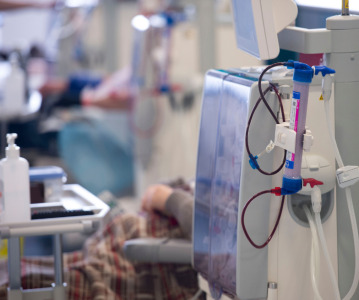
News US FDA adds haemodialysis bloodlines to devices shortage list
On March 14, 2025, the US FDA published an open letter to healthcare providers citing continuing supply disruptions of haemodialysis bloodlines, an essential component of dialysis machines.
-
News Vertex Pharmaceuticals stock jumps as FDA approves non-opioid painkiller
UK-based Vertex Pharmaceuticals saw their stock shares soar as the US FDA signed off on the non-opioid painkiller Journavx, also known as suzetrigine, for patients with moderate to severe acute pain, caused by surgery, accidents, or injuries.
-
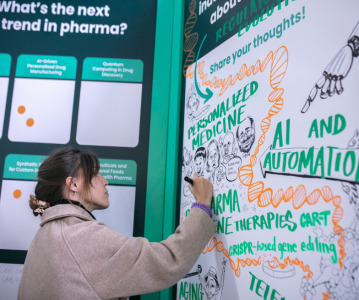
News Lessons from CPHI Milan 2024: Sunny Intervals for Pharma Manufacturing?
As the 2024 CPHI conference wrapped up in Milan, we caught up with L.E.K. Consulting – a global strategy consulting firm with deep expertise in pharma manufacturing – to discuss evolving market perspectives and business outlook. -

News US BIOSECURE Act passed by US House of Representatives
The controversial act, which has already impacted several foreign companies operating in the US, was passed by the House of Representatives on September 9, 2024. It is now headed for the US Senate before it can be signed into law by President Joe Biden... -
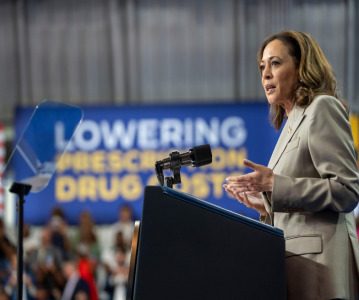
News Drug prices agreed upon as part of the US Inflation Reduction Act
The Inflation Reduction Act brought into constitution by the Biden administation in 2022, which proposed a drug price negotiation between the government and pharmaceutical companies, has reached it's first agreement.