
Novo Nordisk plans $2 billion investment in new production facilities in Clayton, North Carolina and Måløv, Denmark
Novo Nordisk plans to invest an estimated 2 billion US dollars over the next 5 years in new production facilities in Clayton, North Carolina, US and Måløv, Denmark. The expansions will help Novo Nordisk meet the increasing worldwide demand for its diabetes medicines.
The copany has also announced a decision to initiate Phase IIIa development of oral semaglutide, a GLP-1 analogue formulated as a once-daily tablet for the treatment of type 2 diabetes. The facilities in Clayton will produce APIs for both oral semaglutide and a range of Novo Nordisk's current and future GLP-1 and insulin products.
The investment is estimated to create close to 700 new production and engineering jobs in Clayton where Novo Nordisk already employs more than 700 people.
Novo Nordisk also plans to establish a new production facility in Måløv, Denmark for tableting and packaging of oral semaglutide and future oral products. The investment in Måløv will create an estimated 100 new jobs.
"With the new plant in Clayton and continuous investments in our current API production plants in Kalundborg, Denmark, we will have sufficient API capacity for diabetes products well into the next decade," says Henrik Wulff, executive vice president and head of Product Supply at Novo Nordisk.
"We decided to place the new API facilities in the US for strategic reasons," adds Henrik Wulff. "The US is by far our largest market and there are many logistical and economic advantages of having a larger part of our manufacturing in our main market. After a thorough evaluation of multiple sites and an extensive vetting process, Clayton ended up being our preferred location. We already have a large and very professional organisation there and an excellent collaboration with city, local and state leadership, and we appreciate the incentives they have secured in connection with this investment."
The final design and cost of the new production facilities will be presented for approval by the company's board of directors in 2016. The facilities are expected to be operational during 2020.
Related News
-

News Pharmaceutical Supply Chain People Moves
The latest appointments, promotions, and structural changes across the pharmaceutical supply chain.
-

News Merck KGaA to buy US biotech SpringWorks for US$3.9 billion
The German multinational pharmaceutical company Merck KGaA have signed a deal to buy US biotech company SpringWorks Therapeutics at an equity value of US$3.9 billion in a move to add rare cancer therapeutics to their pipelines.
-

News Cassava Sciences halts Alzheimer's drug trial after limited progress
Cassava Sciences have drawn a close to their investigations and development of the drug simufilam, which they intended to be used for the treatment of Alzheimer’s disease.
-
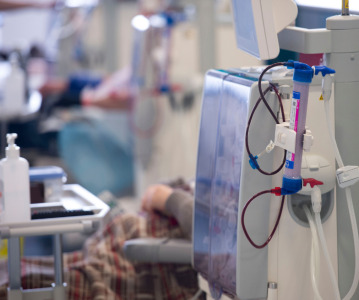
News US FDA adds haemodialysis bloodlines to devices shortage list
On March 14, 2025, the US FDA published an open letter to healthcare providers citing continuing supply disruptions of haemodialysis bloodlines, an essential component of dialysis machines.
-

News Vertex Pharmaceuticals stock jumps as FDA approves non-opioid painkiller
UK-based Vertex Pharmaceuticals saw their stock shares soar as the US FDA signed off on the non-opioid painkiller Journavx, also known as suzetrigine, for patients with moderate to severe acute pain, caused by surgery, accidents, or injuries.
-
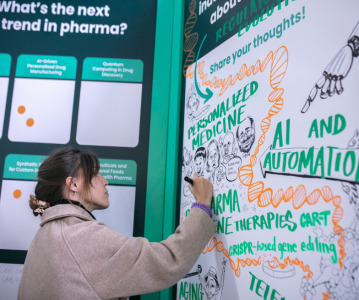
News Lessons from CPHI Milan 2024: Sunny Intervals for Pharma Manufacturing?
As the 2024 CPHI conference wrapped up in Milan, we caught up with L.E.K. Consulting – a global strategy consulting firm with deep expertise in pharma manufacturing – to discuss evolving market perspectives and business outlook. -

News US BIOSECURE Act passed by US House of Representatives
The controversial act, which has already impacted several foreign companies operating in the US, was passed by the House of Representatives on September 9, 2024. It is now headed for the US Senate before it can be signed into law by President Joe Biden... -
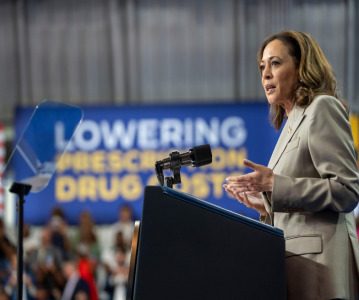
News Drug prices agreed upon as part of the US Inflation Reduction Act
The Inflation Reduction Act brought into constitution by the Biden administation in 2022, which proposed a drug price negotiation between the government and pharmaceutical companies, has reached it's first agreement.