
Pfizer CentreOne launches Enviero green-chemistry progesterone API

Carbon footprint reduced by more than 70%.
Pfizer CentreOne has introduces Enviero progesterone into the API marketplace. Enviero progesterone is produced by a first-of-its-kind progesterone synthesis developed by Pfizer that reduces waste, greenhouse gas emissions and use of hazardous solvents. Results include cutting the carbon footprint of the progesterone manufacturing process by more than 70% and eliminating the use of metal catalysts. Pfizer CentreOne is a global contract manufacturing organization embedded within Pfizer Inc. and a leading supplier of steroid and hormone APIs and intermediates.
"Enviero green-chemistry progesterone represents a step change in progesterone API synthesis,” said Greg Scanlon, API business lead for Pfizer CentreOne. “And it’s in keeping with Pfizer’s commitment to reduce its impact on the environment.” Developed over 12 years, Enviero progesterone is manufactured via a proprietary biocatalytic process based on plant sterols. Scanlon continued: “We are pleased to offer Enviero progesterone to customers looking for a reliable supply of high-quality progesterone for their medicines."
Validated process
While new to Pfizer CentreOne customers, Enviero progesterone has been used by Pfizer as an intermediate in the manufacture of its own medications for the past 4 years. More than 500 metric tons have been manufactured to date for internal use.
The compound is manufactured exclusively in the US at Pfizer’s Kalamazoo, Michigan, facility. As with all Pfizer CentreOne APIs, all processing steps for Enviero progesterone are performed under Pfizer’s stringent quality management system, and the compound is backed by technical and regulatory support for the life of the product.
Green chemistry
Enviero progesterone is the first API to be launched from Pfizer CentreOne’s green-chemistry program. According to the US Environmental Protection Agency, “Green chemistry is the design of chemical products and processes that reduce or eliminate the use or generation of hazardous substances.” Green chemistry is applied at the process level – in this case, API synthesis – to minimize waste and pollution upfront.
Related News
-

News Pharmaceutical Supply Chain People Moves
The latest appointments, promotions, and structural changes across the pharmaceutical supply chain.
-

News Merck KGaA to buy US biotech SpringWorks for US$3.9 billion
The German multinational pharmaceutical company Merck KGaA have signed a deal to buy US biotech company SpringWorks Therapeutics at an equity value of US$3.9 billion in a move to add rare cancer therapeutics to their pipelines.
-

News Cassava Sciences halts Alzheimer's drug trial after limited progress
Cassava Sciences have drawn a close to their investigations and development of the drug simufilam, which they intended to be used for the treatment of Alzheimer’s disease.
-

News US FDA adds haemodialysis bloodlines to devices shortage list
On March 14, 2025, the US FDA published an open letter to healthcare providers citing continuing supply disruptions of haemodialysis bloodlines, an essential component of dialysis machines.
-

News Vertex Pharmaceuticals stock jumps as FDA approves non-opioid painkiller
UK-based Vertex Pharmaceuticals saw their stock shares soar as the US FDA signed off on the non-opioid painkiller Journavx, also known as suzetrigine, for patients with moderate to severe acute pain, caused by surgery, accidents, or injuries.
-

News Lessons from CPHI Milan 2024: Sunny Intervals for Pharma Manufacturing?
As the 2024 CPHI conference wrapped up in Milan, we caught up with L.E.K. Consulting – a global strategy consulting firm with deep expertise in pharma manufacturing – to discuss evolving market perspectives and business outlook. -

News US BIOSECURE Act passed by US House of Representatives
The controversial act, which has already impacted several foreign companies operating in the US, was passed by the House of Representatives on September 9, 2024. It is now headed for the US Senate before it can be signed into law by President Joe Biden... -
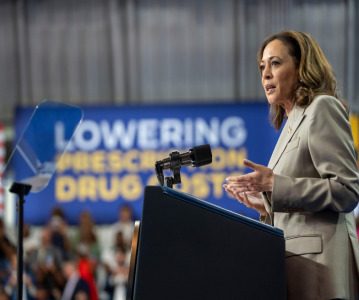
News Drug prices agreed upon as part of the US Inflation Reduction Act
The Inflation Reduction Act brought into constitution by the Biden administation in 2022, which proposed a drug price negotiation between the government and pharmaceutical companies, has reached it's first agreement.