
Pharmapack 2021: Barriers to healthcare adoption of growing sustainable packaging trend still exist, say experts
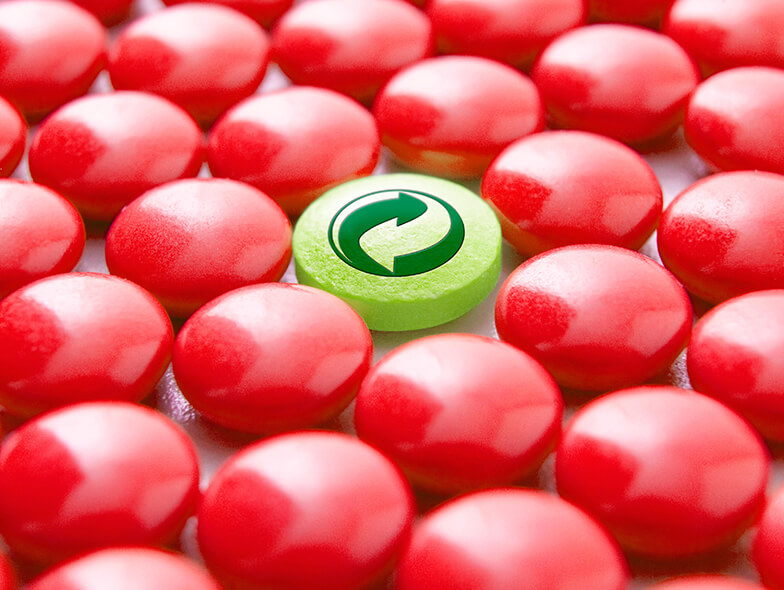
Panel discusses how healthcare institutions are adapting to calls for more sustainability in various processes in the value chain
While the sustainability of pharmaceutical packaging is growing in prominence, barriers to effectively implementing materials recycling processes across the value chain remain, according to experts speaking at the online Pharmapack 2021 conference.
During the live Sustainability in Packaging Roundtable, chaired by Yasemin Karanis, Consultant, Thought Leadership, IQVIA, the experts discussed how healthcare institutions are adapting to calls for more sustainability in various processes in the value chain.
Andrew Green, Market Development Manager, Rigid Medical Packaging, Eastman said one of the main key barriers regarding the improvement of recycling and waste management was the difficulty in creating space for the activity to occur within healthcare institutions.
“Rightly so, there is an emphasis on patient health and ensuring that you put that first and it can feel perhaps immoral or improper to prioritise waste management over spending time and effort to ensure that you’re doing the best for the patients,” he said. “But it can’t be forgotten that there’s a connection between environmental health and human health generally. The key element is how do you create space for that both physically in the hospital facility but also within how you allocate the time of the hospital staff i.e., who’s going to be responsible for sorting out materials and see if they can be sorted out for recycling and how can you make that process easier so that there’s not a cost to the quality of your patient care?”
Steven Meun, Executive Director, Healthcare Plastics Recycling Council said he believed hospitals were facing challenges in engaging with waste processes: “In many cases they see the plastic waste generated at hospitals as potentially contaminated and they don’t want to take the risk even if the hospital staff is really capable of segregating contaminated and non-contaminated waste.”
Jean-Jacques Legat, Projects and Innovation Director, Polymeris said that in contrast to product users in markets of other industries, “maybe there is a reluctance on the part of patients to be ready to use products which contain recycled materials such as alternative polymers.”
He said that adding traceability to materials used in packaging was a challenge: “We have to be sure, depending on the defined sources of the material, on the percentage of the material to be used in the new product with the same properties of the aging material. That means we have to work on the specifications of the material to ensure we have the same properties of the aging one.”
Romane Osadnick, Key Account Manager, Adelphe said one major hurdle for pharma laboratories who are in essence international companies is that have to find solutions that satisfy all the regional markets they send their products to.
“Recyclability means packaging compatible with the sorting and recycling system in the country the package will be managed for the end-of-life,” she said. “The difference between household packaging and professional hospital and medical packaging is that for household packaging, at least in France, we separate the unused medicines from the packaging. Household packaging for medicines has to be collected in the collection bin when it is empty, without any unused medicines and without any sanitary issues.”
She added that a decision to eco-design packaging invariably involves a change in concept, elements and materials of packaging, which would undoubtedly have a knock-on effect on the Marketing Authorisation.
“So companies working on eco-designing pharma packaging need to have this point in mind and work with regulatory agencies or partner organisations to make sure it is included in the global approach,” she said.
Related News
-

News Pharmaceutical Supply Chain People Moves
The latest appointments, promotions, and structural changes across the pharmaceutical supply chain.
-

News Merck KGaA to buy US biotech SpringWorks for US$3.9 billion
The German multinational pharmaceutical company Merck KGaA have signed a deal to buy US biotech company SpringWorks Therapeutics at an equity value of US$3.9 billion in a move to add rare cancer therapeutics to their pipelines.
-

News Cassava Sciences halts Alzheimer's drug trial after limited progress
Cassava Sciences have drawn a close to their investigations and development of the drug simufilam, which they intended to be used for the treatment of Alzheimer’s disease.
-

News US FDA adds haemodialysis bloodlines to devices shortage list
On March 14, 2025, the US FDA published an open letter to healthcare providers citing continuing supply disruptions of haemodialysis bloodlines, an essential component of dialysis machines.
-
News Vertex Pharmaceuticals stock jumps as FDA approves non-opioid painkiller
UK-based Vertex Pharmaceuticals saw their stock shares soar as the US FDA signed off on the non-opioid painkiller Journavx, also known as suzetrigine, for patients with moderate to severe acute pain, caused by surgery, accidents, or injuries.
-
News Lessons from CPHI Milan 2024: Sunny Intervals for Pharma Manufacturing?
As the 2024 CPHI conference wrapped up in Milan, we caught up with L.E.K. Consulting – a global strategy consulting firm with deep expertise in pharma manufacturing – to discuss evolving market perspectives and business outlook. -
News US BIOSECURE Act passed by US House of Representatives
The controversial act, which has already impacted several foreign companies operating in the US, was passed by the House of Representatives on September 9, 2024. It is now headed for the US Senate before it can be signed into law by President Joe Biden... -
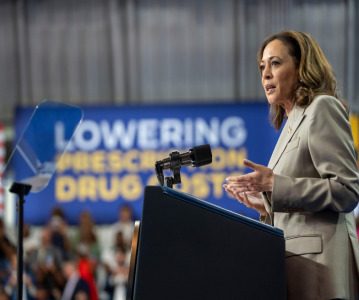
News Drug prices agreed upon as part of the US Inflation Reduction Act
The Inflation Reduction Act brought into constitution by the Biden administation in 2022, which proposed a drug price negotiation between the government and pharmaceutical companies, has reached it's first agreement.