
Report accuses Covid vaccine makers of putting profits before lives
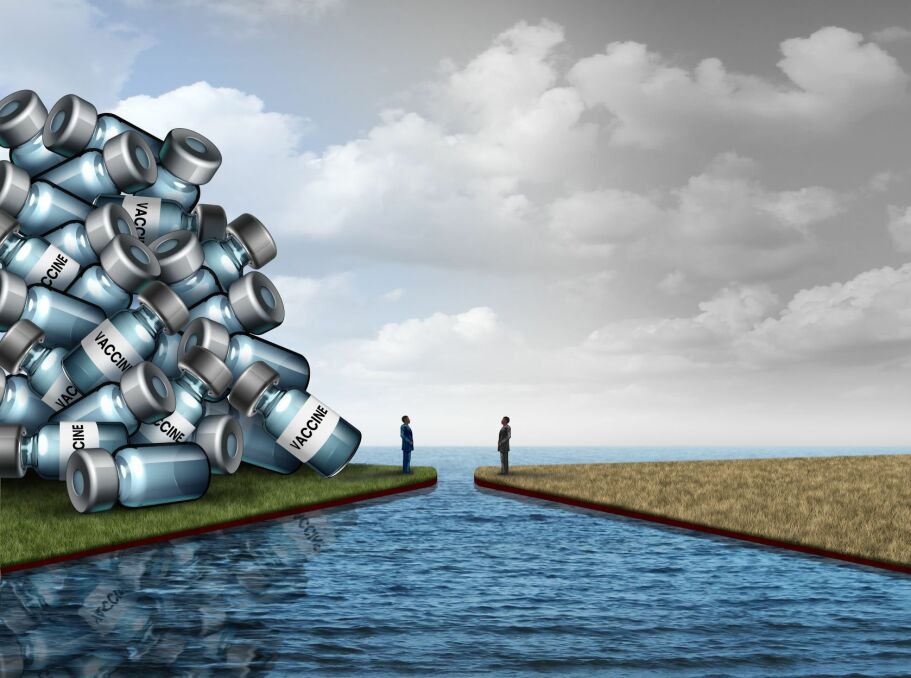
Only 0.3% of the 5.76 billion doses administered worldwide have been distributed to low-income countries
In a new report commissioned by Amnesty International, six pharma companies heading the global roll-out of Covid-19 vaccines have been criticised for refusing to waive intellectual property rights and share vaccine technology.
Amnesty International has said that such refusal, along with failing to prioritise vaccine deliveries to poorer countries, is "fuelling an unprecedented human rights crisis".
The report A Double Dose of Inequality: Pharma companies and the Covid-19 vaccines crisis, assessed AstraZeneca, BioNTech, Johnson & Johnson, Moderna, Novavax and Pfizer and concluded that the industry is "woefully failing to respect human rights".
In a statement, Agnès Callamard, Amnesty International’s Secretary General, said that Big Pharma's intentional blocking of knowledge transfer, along with their "wheeling and dealing in favour of wealthy states" has created a "predictable" and "devastating" vaccine scarcity for others.
By the end of 2022, BioNTech, Moderna and Pfizer combined are set to make a $130 billion – a fact which serves to underscore their putting profits before lives, said Agnès Callamard.
The report also revealed that out of 5.76 billion doses administered worldwide, only 0.3% have been distributed to low-income countries. Furthermore, some of the assessed companies have continued to stock up vaccine supplies for states known to be hoarding the vaccine.
So far, all companies assessed have refused to take part in internationally coordinated initiatives designed to boost global supply by sharing knowledge and technology. They have also opposed proposals to temporarily lift intellectual property rights,
To coincide with the publication of the report, Amnesty International is launching a global campaign which calls for 2 billion vaccines to be delivered to low and lower-middle income countries before end of the year.
Related News
-

News Pharmaceutical Supply Chain People Moves
The latest appointments, promotions, and structural changes across the pharmaceutical supply chain.
-

News Merck KGaA to buy US biotech SpringWorks for US$3.9 billion
The German multinational pharmaceutical company Merck KGaA have signed a deal to buy US biotech company SpringWorks Therapeutics at an equity value of US$3.9 billion in a move to add rare cancer therapeutics to their pipelines.
-

News Cassava Sciences halts Alzheimer's drug trial after limited progress
Cassava Sciences have drawn a close to their investigations and development of the drug simufilam, which they intended to be used for the treatment of Alzheimer’s disease.
-
News US FDA adds haemodialysis bloodlines to devices shortage list
On March 14, 2025, the US FDA published an open letter to healthcare providers citing continuing supply disruptions of haemodialysis bloodlines, an essential component of dialysis machines.
-

News Vertex Pharmaceuticals stock jumps as FDA approves non-opioid painkiller
UK-based Vertex Pharmaceuticals saw their stock shares soar as the US FDA signed off on the non-opioid painkiller Journavx, also known as suzetrigine, for patients with moderate to severe acute pain, caused by surgery, accidents, or injuries.
-
News Lessons from CPHI Milan 2024: Sunny Intervals for Pharma Manufacturing?
As the 2024 CPHI conference wrapped up in Milan, we caught up with L.E.K. Consulting – a global strategy consulting firm with deep expertise in pharma manufacturing – to discuss evolving market perspectives and business outlook. -
News US BIOSECURE Act passed by US House of Representatives
The controversial act, which has already impacted several foreign companies operating in the US, was passed by the House of Representatives on September 9, 2024. It is now headed for the US Senate before it can be signed into law by President Joe Biden... -
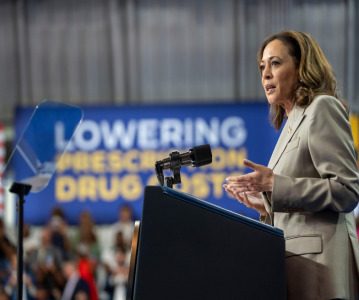
News Drug prices agreed upon as part of the US Inflation Reduction Act
The Inflation Reduction Act brought into constitution by the Biden administation in 2022, which proposed a drug price negotiation between the government and pharmaceutical companies, has reached it's first agreement.