
Sanofi sets out strategic roadmap for long-term growth
Six major launches expected to generate aggregate peak sales of €12 billion to €14 billion.
Sanofi has set out its strategic roadmap today for the period 2015–2020 and its ambition to become the pre-eminent diversified global healthcare company. Through a process of refocusing and reshaping the organisation and investing in key launches and businesses, Sanofi expects to deliver a sales compound annual growth rate (CAGR) of between +3% and +4% during 2015–2020, with a target of mid-single digit growth in the second half of this period.
Sanofi today provided average expected sales trends for each Global Business Unit (GBU) which support the overall expected Group sales performance during 2015–2020. As a result of investments in launches, headwinds in diabetes and the phasing of cost savings, Sanofi does not expect to show any meaningful bottom line growth over 2016–2017. Beginning in 2018, however Sanofi expects to grow Business EPS faster than sales, reflecting its improved sales mix and the full capture of cost efficiencies.
"The pharmaceutical industry is undergoing a transformation unlike anything we've previously seen. Continued consolidation in the sector has created a more competitive environment over the last few years and, at the same time, science has never been more exciting. In this context, I am defining new priorities for Sanofi. The company will remain diversified, but with a portfolio refocused on areas where we can win, and innovation driven to improve lives of millions of people," said Olivier Brandicourt, CEO, Sanofi. "Along with a more streamlined and accountable organization, we are taking clear measures to ensure success as we launch a strong set of new medicines across several therapeutic areas. By building on the successes of these products, we are confident that Sanofi will be well-positioned for sustained, long-term growth. Sanofi is also seeking external opportunities to enhance its growth profile."
Sanofi's long-term strategy rests on four pillars: reshape the portfolio, deliver outstanding launches, sustain innovation in R&D and simplify the organization.
Related News
-

News Pharmaceutical Supply Chain People Moves
The latest appointments, promotions, and structural changes across the pharmaceutical supply chain.
-

News Merck KGaA to buy US biotech SpringWorks for US$3.9 billion
The German multinational pharmaceutical company Merck KGaA have signed a deal to buy US biotech company SpringWorks Therapeutics at an equity value of US$3.9 billion in a move to add rare cancer therapeutics to their pipelines.
-

News Cassava Sciences halts Alzheimer's drug trial after limited progress
Cassava Sciences have drawn a close to their investigations and development of the drug simufilam, which they intended to be used for the treatment of Alzheimer’s disease.
-

News US FDA adds haemodialysis bloodlines to devices shortage list
On March 14, 2025, the US FDA published an open letter to healthcare providers citing continuing supply disruptions of haemodialysis bloodlines, an essential component of dialysis machines.
-

News Vertex Pharmaceuticals stock jumps as FDA approves non-opioid painkiller
UK-based Vertex Pharmaceuticals saw their stock shares soar as the US FDA signed off on the non-opioid painkiller Journavx, also known as suzetrigine, for patients with moderate to severe acute pain, caused by surgery, accidents, or injuries.
-

News Lessons from CPHI Milan 2024: Sunny Intervals for Pharma Manufacturing?
As the 2024 CPHI conference wrapped up in Milan, we caught up with L.E.K. Consulting – a global strategy consulting firm with deep expertise in pharma manufacturing – to discuss evolving market perspectives and business outlook. -

News US BIOSECURE Act passed by US House of Representatives
The controversial act, which has already impacted several foreign companies operating in the US, was passed by the House of Representatives on September 9, 2024. It is now headed for the US Senate before it can be signed into law by President Joe Biden... -
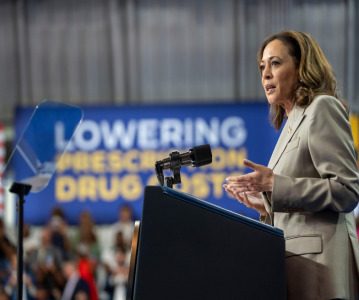
News Drug prices agreed upon as part of the US Inflation Reduction Act
The Inflation Reduction Act brought into constitution by the Biden administation in 2022, which proposed a drug price negotiation between the government and pharmaceutical companies, has reached it's first agreement.