
Sanofi to create standalone European API production powerhouse
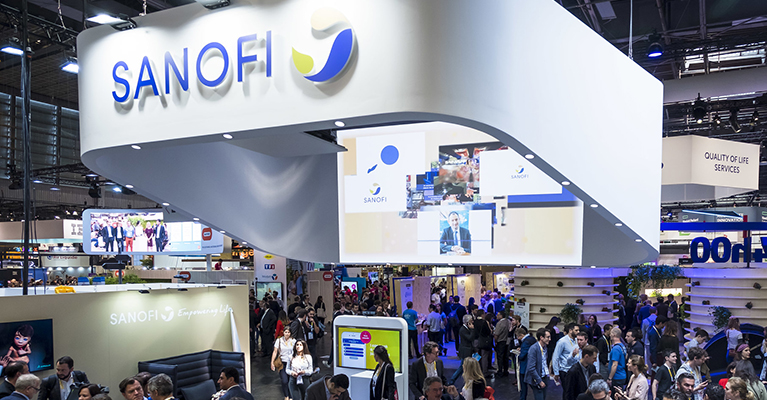
Sanofi's plans to create a European company to manufacture and market active pharmaceutical ingredients (APIs) should help to balance the region's heavy reliance on sourcing them from Asian markets, the French pharmaceutical firm said Monday.
The new standalone company would combine Sanofi’s API commercial and development activities with six of its European API production sites at Brindisi (Italy), Frankfurt Chemistry (Germany), Haverhill (UK), St Aubin les Elbeuf (France), Újpest (Hungary) and Vertolaye (France).
It would rank as the world's second largest API producer, employing 3,100 people and with expected sales of €1 billion by 2022.
API sourcing and the global market's dependency on China have come into sharp focus recently following the coronavirus outbreak.
“Based on the expertise and experience built over decades within our industrial network, this new entity will help ensure a greater stability in supplying drugs to millions of patients in Europe and beyond," said Philippe Luscan, Executive Vice President, Global Industrial Affairs at Sanofi. "With this endeavor, this new entity will be agile as a standalone company and able to unlock its growth potential, especially in capturing new third-party sales and all the opportunities of a market growing at a pace of 6% per year."
By operating independently, the new entity plans to increase sales to third parties and to expand partnerships with other pharmaceutical companies.
Sanofi said it boasts a broad portfolio of both volume and niche products, high standards of quality, competitive pricing, state-of-the-art industrial capabilities and technologies across Europe as well as being able to leverage a commercial network covering more than 80 countries.
Sanofi will hold a minority stake of around 30% in the new company, which it intends to be debt free. It said it would decide whether to press ahead with a planned IPO on Euronext Paris by 2022, subject to market conditions.

Related News
-

News Pharmaceutical Supply Chain People Moves
The latest appointments, promotions, and structural changes across the pharmaceutical supply chain.
-

News Merck KGaA to buy US biotech SpringWorks for US$3.9 billion
The German multinational pharmaceutical company Merck KGaA have signed a deal to buy US biotech company SpringWorks Therapeutics at an equity value of US$3.9 billion in a move to add rare cancer therapeutics to their pipelines.
-

News Cassava Sciences halts Alzheimer's drug trial after limited progress
Cassava Sciences have drawn a close to their investigations and development of the drug simufilam, which they intended to be used for the treatment of Alzheimer’s disease.
-
News US FDA adds haemodialysis bloodlines to devices shortage list
On March 14, 2025, the US FDA published an open letter to healthcare providers citing continuing supply disruptions of haemodialysis bloodlines, an essential component of dialysis machines.
-
News Vertex Pharmaceuticals stock jumps as FDA approves non-opioid painkiller
UK-based Vertex Pharmaceuticals saw their stock shares soar as the US FDA signed off on the non-opioid painkiller Journavx, also known as suzetrigine, for patients with moderate to severe acute pain, caused by surgery, accidents, or injuries.
-
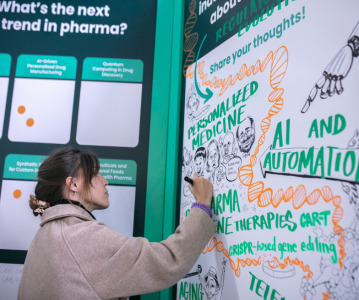
News Lessons from CPHI Milan 2024: Sunny Intervals for Pharma Manufacturing?
As the 2024 CPHI conference wrapped up in Milan, we caught up with L.E.K. Consulting – a global strategy consulting firm with deep expertise in pharma manufacturing – to discuss evolving market perspectives and business outlook. -
News US BIOSECURE Act passed by US House of Representatives
The controversial act, which has already impacted several foreign companies operating in the US, was passed by the House of Representatives on September 9, 2024. It is now headed for the US Senate before it can be signed into law by President Joe Biden... -
News Drug prices agreed upon as part of the US Inflation Reduction Act
The Inflation Reduction Act brought into constitution by the Biden administation in 2022, which proposed a drug price negotiation between the government and pharmaceutical companies, has reached it's first agreement.