
SGS introduces new comprehensive drug compatibility study testing at expanded Shanghai facility

New service offers analysis of potential extractable and leachable contamination within pharmaceutical products.
SGS has introduced comprehensive drug compatibility study testing at its Shanghai laboratory in China. This new service, for the analysis of potential extractable and leachable contamination within pharmaceutical products, harmonizes services offered in this field across SGS’s global network of laboratories.
China’s Center for Drug Evaluation (CDE) made drug compatibility studies mandatory for all New Drug Applications (NDAs) and Abbreviated New Drug Applications (ANDAs) in 2014. SGS’s investment in these services comes after a multi-stage expansion of its laboratory in Shanghai, which was completed in 2015. It includes the installation and validation of new quadrupole time-of-flight (Q-TOF), liquid chromatography-diode array-mass spectrometry (LC-DAD-MS) and gas chromatography–mass spectrometry (GC-MS) instruments.
“We have seen an increased demand for these services since the regulations have been tightened, and we have been working with regulatory bodies and industry associations to help define and establish definitive testing guidelines in this area going forward,” commented Andy Yi, General Manager, SGS Life Sciences, Shanghai. “With this investment, SGS has been able to build on its strong reputation to attract new customers, as well as increase business with pharmaceutical R&D teams looking to engage with experts earlier in the process to ensure compliance.”
SGS has been providing extractable and leachable testing services from its Shanghai facility to local clients, and international clients with a presence in China since the facility opened in 2006. Expansion of the facility commenced in 2014 and initially included increased capabilities in cGMP chemistry and biotechnology testing laboratories. The microbiology laboratory was expanded subsequently, increasing the total floor space to 3,200 m2.
Related News
-

News Pharmaceutical Supply Chain People Moves
The latest appointments, promotions, and structural changes across the pharmaceutical supply chain.
-

News Merck KGaA to buy US biotech SpringWorks for US$3.9 billion
The German multinational pharmaceutical company Merck KGaA have signed a deal to buy US biotech company SpringWorks Therapeutics at an equity value of US$3.9 billion in a move to add rare cancer therapeutics to their pipelines.
-

News Cassava Sciences halts Alzheimer's drug trial after limited progress
Cassava Sciences have drawn a close to their investigations and development of the drug simufilam, which they intended to be used for the treatment of Alzheimer’s disease.
-
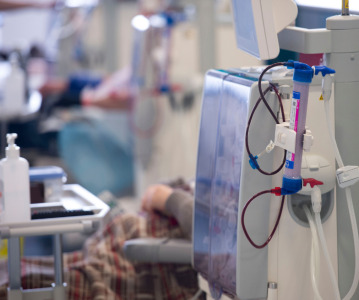
News US FDA adds haemodialysis bloodlines to devices shortage list
On March 14, 2025, the US FDA published an open letter to healthcare providers citing continuing supply disruptions of haemodialysis bloodlines, an essential component of dialysis machines.
-

News Vertex Pharmaceuticals stock jumps as FDA approves non-opioid painkiller
UK-based Vertex Pharmaceuticals saw their stock shares soar as the US FDA signed off on the non-opioid painkiller Journavx, also known as suzetrigine, for patients with moderate to severe acute pain, caused by surgery, accidents, or injuries.
-
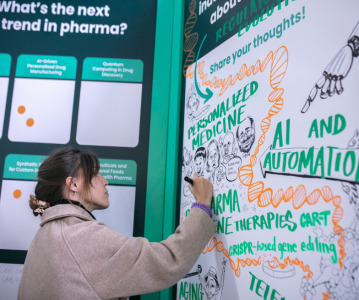
News Lessons from CPHI Milan 2024: Sunny Intervals for Pharma Manufacturing?
As the 2024 CPHI conference wrapped up in Milan, we caught up with L.E.K. Consulting – a global strategy consulting firm with deep expertise in pharma manufacturing – to discuss evolving market perspectives and business outlook. -
News US BIOSECURE Act passed by US House of Representatives
The controversial act, which has already impacted several foreign companies operating in the US, was passed by the House of Representatives on September 9, 2024. It is now headed for the US Senate before it can be signed into law by President Joe Biden... -
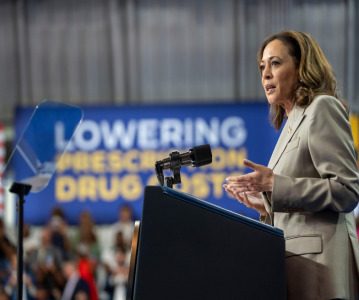
News Drug prices agreed upon as part of the US Inflation Reduction Act
The Inflation Reduction Act brought into constitution by the Biden administation in 2022, which proposed a drug price negotiation between the government and pharmaceutical companies, has reached it's first agreement.