
SIGA reports $28M worth of new orders for monkeypox antiviral
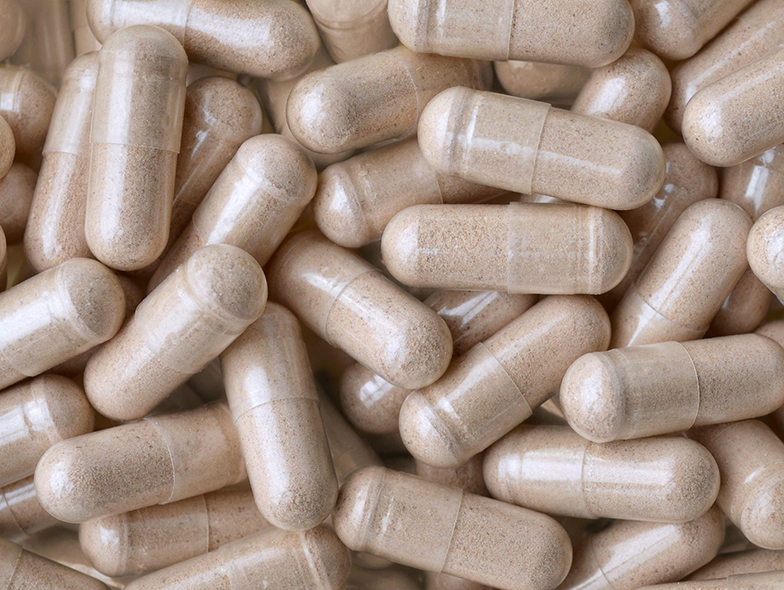
The company has seen a sharp uptick in orders for its oral treatment as monkeypox cases rise globally
US drugmaker SIGA Technologies said it has received new orders worth $28 million for its oral antiviral drug TPOXX, as monkeypox cases continue to rise in countries where the disease is not usually seen.
TPOXX (tecovirimat) is approved in the European Union and United Kingdom to treat diseases caused by the family of orthopoxvirus that includes smallpox, monkeypox and cowpox. It is only approved to treat smallpox in the United States and Canada.
SIGA said the new orders include $2 million worth of initial procurement from two countries in Europe and Asia Pacific as well as another $26 million from Canada under existing contracts. The company expects at least $26 million of international deliveries by September 30, including deliveries made in the second quarter.
The uptick in orders comes at a time when more than 7,600 confirmed cases of monkeypox have been reported from 50 countries where the disease is not endemic.
Monkeypox is a viral disease that causes flu-like symptoms and skin lesions. It spreads through close contact and many recent cases have been reported in men who have sex with men, though it is not defined as a sexually transmitted infection.
The strain currently circulating in the Northern Hemisphere has an estimated fatality rate of between 3% and 6% and is considered especially dangerous for children and those with weak immune systems.
In addition to stocking up on oral medication, many countries have placed orders for Bavarian Nordic’s Imvanex vaccine, which is sold under the brand name Jynneos in the United States.
The World Health Organisation has so far held off on declaring the monkeypox outbreak a global health emergency, but it will meet next week to re-evaluate whether it warrants this designation. The ‘global emergency’ label currently only applies to the coronavirus pandemic and efforts to eradicate polio.
Related News
-

News Pharmaceutical Supply Chain People Moves
The latest appointments, promotions, and structural changes across the pharmaceutical supply chain.
-

News Merck KGaA to buy US biotech SpringWorks for US$3.9 billion
The German multinational pharmaceutical company Merck KGaA have signed a deal to buy US biotech company SpringWorks Therapeutics at an equity value of US$3.9 billion in a move to add rare cancer therapeutics to their pipelines.
-

News Cassava Sciences halts Alzheimer's drug trial after limited progress
Cassava Sciences have drawn a close to their investigations and development of the drug simufilam, which they intended to be used for the treatment of Alzheimer’s disease.
-
News US FDA adds haemodialysis bloodlines to devices shortage list
On March 14, 2025, the US FDA published an open letter to healthcare providers citing continuing supply disruptions of haemodialysis bloodlines, an essential component of dialysis machines.
-
News Vertex Pharmaceuticals stock jumps as FDA approves non-opioid painkiller
UK-based Vertex Pharmaceuticals saw their stock shares soar as the US FDA signed off on the non-opioid painkiller Journavx, also known as suzetrigine, for patients with moderate to severe acute pain, caused by surgery, accidents, or injuries.
-
News Lessons from CPHI Milan 2024: Sunny Intervals for Pharma Manufacturing?
As the 2024 CPHI conference wrapped up in Milan, we caught up with L.E.K. Consulting – a global strategy consulting firm with deep expertise in pharma manufacturing – to discuss evolving market perspectives and business outlook. -
News US BIOSECURE Act passed by US House of Representatives
The controversial act, which has already impacted several foreign companies operating in the US, was passed by the House of Representatives on September 9, 2024. It is now headed for the US Senate before it can be signed into law by President Joe Biden... -
News Drug prices agreed upon as part of the US Inflation Reduction Act
The Inflation Reduction Act brought into constitution by the Biden administation in 2022, which proposed a drug price negotiation between the government and pharmaceutical companies, has reached it's first agreement.