
Spiriva Respimat (Tiotropium Dromide) Inhalation Spray Now Available in the US

Boehringer Ingelheim Pharmaceuticals has announced that Spiriva Respimat (tiotropium bromide) Inhalation Spray is now available by prescription through retail pharmacies across the US.
Spiriva Respimat was recently approved by the FDA for the long-term, once-daily maintenance treatment of bronchospasm associated with chronic obstructive pulmonary disease (COPD), including chronic bronchitis and emphysema, and to reduce exacerbations in COPD patients. Spiriva HandiHaler (tiotropium bromide inhalation powder), which is the number one branded prescription medication for COPD maintenance in the US, will continue to be available for patients.
"For 10 years, Spiriva HandiHaler has been a trusted maintenance therapy for patients with COPD, and Boehringer Ingelheim is proud to now offer another inhaler choice, Spiriva Respimat," said Danny McBryan, vice president, Clinical Development & Medical Affairs, Respiratory, Boehringer Ingelheim Pharmaceuticals, Inc. "Spiriva Respimat represents Boehringer Ingelheim's continuing commitment to the COPD community to provide new treatment options."
Spiriva Respimat was developed to deliver medication via a slow-moving mist that helps patients inhale the medication. Spiriva Respimat delivers medication independent of inspiratory effort. As with all inhaled drugs, the actual amount of drug delivered to the lung may depend on patient factors, such as co-ordination between actuation of the inhaler and inspiration through the delivery system. The duration should be at least as long as the spray duration (1.5 seconds).
The Respimat is the platform inhaler for the Boehringer Ingelheim suite of inhaled bronchodilators, including approved and investigational therapies.
Spiriva Respimat is the third FDA-approved product delivered by the Respimat. The Respimat is the only inhaler available in the US that uses mechanical energy to generate a slow-moving mist to deliver the medication, and the inhaler also has a dose indicator that helps keep track of approximately how much medicine is left.
Related News
-

News Pharmaceutical Supply Chain People Moves
The latest appointments, promotions, and structural changes across the pharmaceutical supply chain.
-

News Merck KGaA to buy US biotech SpringWorks for US$3.9 billion
The German multinational pharmaceutical company Merck KGaA have signed a deal to buy US biotech company SpringWorks Therapeutics at an equity value of US$3.9 billion in a move to add rare cancer therapeutics to their pipelines.
-

News Cassava Sciences halts Alzheimer's drug trial after limited progress
Cassava Sciences have drawn a close to their investigations and development of the drug simufilam, which they intended to be used for the treatment of Alzheimer’s disease.
-

News US FDA adds haemodialysis bloodlines to devices shortage list
On March 14, 2025, the US FDA published an open letter to healthcare providers citing continuing supply disruptions of haemodialysis bloodlines, an essential component of dialysis machines.
-

News Vertex Pharmaceuticals stock jumps as FDA approves non-opioid painkiller
UK-based Vertex Pharmaceuticals saw their stock shares soar as the US FDA signed off on the non-opioid painkiller Journavx, also known as suzetrigine, for patients with moderate to severe acute pain, caused by surgery, accidents, or injuries.
-

News Lessons from CPHI Milan 2024: Sunny Intervals for Pharma Manufacturing?
As the 2024 CPHI conference wrapped up in Milan, we caught up with L.E.K. Consulting – a global strategy consulting firm with deep expertise in pharma manufacturing – to discuss evolving market perspectives and business outlook. -

News US BIOSECURE Act passed by US House of Representatives
The controversial act, which has already impacted several foreign companies operating in the US, was passed by the House of Representatives on September 9, 2024. It is now headed for the US Senate before it can be signed into law by President Joe Biden... -
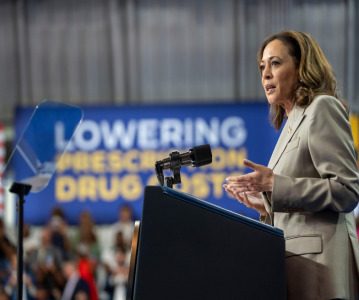
News Drug prices agreed upon as part of the US Inflation Reduction Act
The Inflation Reduction Act brought into constitution by the Biden administation in 2022, which proposed a drug price negotiation between the government and pharmaceutical companies, has reached it's first agreement.