
The BMS-Pfizer Alliance and Fitbit collaborate on atrial fibrillation
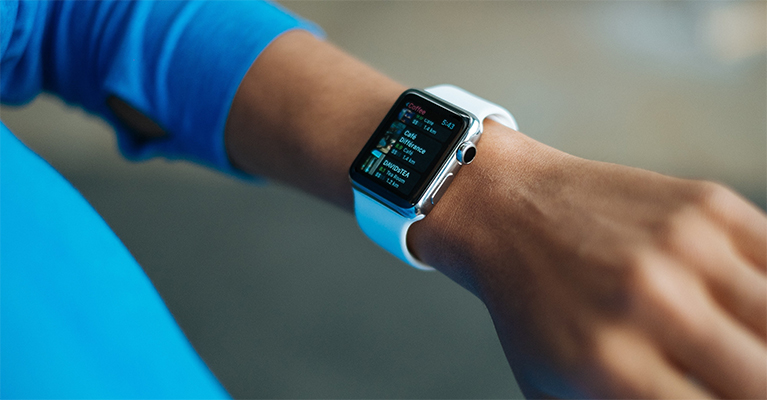
Leaders in atrial fibrillation and wearable technology to develop educational content around atrial fibrillation to help identify and support those at increased risk of stroke.
The Bristol-Myers Squibb(BMS)-Pfizer Alliance and Fitbit have announced at the TIME 100 Health Summit in New York that they are working together to help drive timely diagnosis of atrial fibrillation (AFib) with the aim of improving earlier detection in individuals at increased risk of stroke. The BMS-Pfizer Alliance and Fitbit plan to collaborate on the development of educational content and guidance to support people at increased risk for AFib. Upon submission and FDA clearance of the AFib detection software on Fitbit devices, the parties will aim to provide users with appropriate information to help encourage and inform discussions with their physicians.
“We’re in a new era of healthcare, where we’re not only focused on developing treatments but also looking at the potential of technology and data to help patients learn more about their health,” said Angela Hwang, Group President, Pfizer Biopharmaceuticals Group. “We are excited about wearables and how our work with BMS and Fitbit may potentially help patients and physicians detect and understand heart rhythm irregularities.”
AFib is the most common type of irregular heartbeat and is a significant risk factor for stroke. Approximately eight million people in the US are projected to be affected by AFib in 2019. As the US population ages, this number is expected to rise, as adults aged 65 and older are at an increased risk of developing the condition. Because AFib can be asymptomatic, it can often go undetected, and some studies suggest that more than 25% of people who have the condition find out after they have a stroke.
“At Fitbit, we’re focused on making health more accessible and, through our efforts with the BMS-Pfizer Alliance, we have the potential to support earlier detection of atrial fibrillation, a potentially asymptomatic condition that affects millions of Americans,” said James Park, Co-founder and CEO of Fitbit. “With our continuous, 24/7 on-wrist health tracking capabilities, and our experience delivering personalized, engaging software and services, we believe we can develop content to help bridge the gaps that exist in atrial fibrillation detection, encouraging people to visit their doctor for a prompt diagnosis and potentially reduce their risk of stroke.”
Wearable technology has continued to become more integrated in the healthcare landscape as people have recognized the value that 24/7 health tracking can have for people of any age or health status, including those at increased risk for specific conditions. Yet, those who use wearables to track their heart rhythm may lack the education or guidance on what to do with the data gathered from their device.
“Too many people discover that they are suffering from atrial fibrillation only after experiencing a stroke. In fact, some studies suggest that this is true for more than 25% of people who have the condition,” said Joseph Eid, Head of Medical Affairs, BMS. “These efforts with Fitbit exemplify not only our unwavering commitment to addressing the evolving needs of patients with atrial fibrillation, but also our dedication to advancing care by embracing technology as a part of routine clinical practice.”
Related News
-

News Pharmaceutical Supply Chain People Moves
The latest appointments, promotions, and structural changes across the pharmaceutical supply chain.
-

News Merck KGaA to buy US biotech SpringWorks for US$3.9 billion
The German multinational pharmaceutical company Merck KGaA have signed a deal to buy US biotech company SpringWorks Therapeutics at an equity value of US$3.9 billion in a move to add rare cancer therapeutics to their pipelines.
-

News Cassava Sciences halts Alzheimer's drug trial after limited progress
Cassava Sciences have drawn a close to their investigations and development of the drug simufilam, which they intended to be used for the treatment of Alzheimer’s disease.
-

News US FDA adds haemodialysis bloodlines to devices shortage list
On March 14, 2025, the US FDA published an open letter to healthcare providers citing continuing supply disruptions of haemodialysis bloodlines, an essential component of dialysis machines.
-

News Vertex Pharmaceuticals stock jumps as FDA approves non-opioid painkiller
UK-based Vertex Pharmaceuticals saw their stock shares soar as the US FDA signed off on the non-opioid painkiller Journavx, also known as suzetrigine, for patients with moderate to severe acute pain, caused by surgery, accidents, or injuries.
-

News Lessons from CPHI Milan 2024: Sunny Intervals for Pharma Manufacturing?
As the 2024 CPHI conference wrapped up in Milan, we caught up with L.E.K. Consulting – a global strategy consulting firm with deep expertise in pharma manufacturing – to discuss evolving market perspectives and business outlook. -

News US BIOSECURE Act passed by US House of Representatives
The controversial act, which has already impacted several foreign companies operating in the US, was passed by the House of Representatives on September 9, 2024. It is now headed for the US Senate before it can be signed into law by President Joe Biden... -
News Drug prices agreed upon as part of the US Inflation Reduction Act
The Inflation Reduction Act brought into constitution by the Biden administation in 2022, which proposed a drug price negotiation between the government and pharmaceutical companies, has reached it's first agreement.