The Differences Between COP and COC Vials: Choosing the Right Container for Medical and Cosmetic Use
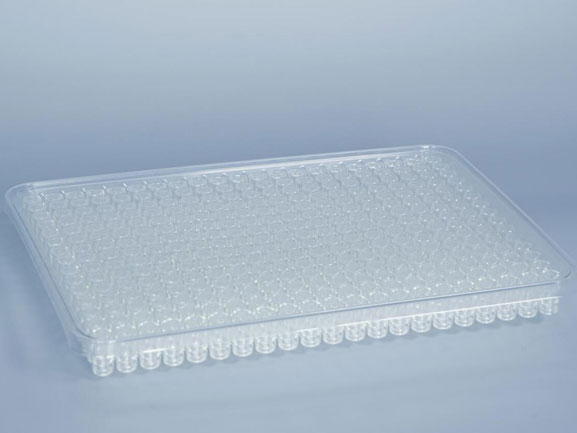
COP vial
In the fields of medical and cosmetic medicine, the choice of vials for storing and transporting injectable products is crucial. Two popular materials used in vials today are Cyclo-Olefin Polymer (COP) and Cyclo-Olefin Copolymer (COC). Both materials have unique properties that make them suitable for certain applications, but there are key differences that set them apart. This blog will explore the differences between COP vials and COC vials to help you better understand which is the right choice for your needs.
In the fields of medical and cosmetic medicine, the choice of vials for storing and transporting injectable products is crucial. Two popular materials used in vials today are Cyclo-Olefin Polymer (COP) and Cyclo-Olefin Copolymer (COC). Both materials have unique properties that make them suitable for certain applications, but there are key differences that set them apart. This blog will explore the differences between COP vials and COC vials to help you better understand which is the right choice for your needs.
Polymer Vial for cell and gene therapies
What Are COP and COC Vials?
Both COP and COC are types of cyclo-olefin-based plastics. These materials were developed to address the limitations of traditional glass vials, which can be fragile and susceptible to chemical interactions. COP and COC vials are used in various fields, including pharmaceuticals, cosmetic medicine, and biotechnology, to store sensitive products like injectables, drugs, and even diagnostics.
Though they share many benefits over glass vials, COP and COC vials have distinct characteristics that make them suitable for different types of applications.
Key Differences Between COP and COC Vials
1. Material Composition
The primary difference between COP and COC vials lies in their material composition:
COP (Cyclo-Olefin Polymer): COP is a pure polymer made entirely from cyclo-olefin monomers. It is created through polymerization without the use of any co-monomers, which gives it enhanced structural strength and stability.
COC (Cyclo-Olefin Copolymer): COC, on the other hand, is a copolymer, meaning it is made from two different monomers—typically a cyclo-olefin and a comonomer such as ethylene. This results in a material with slightly different properties in terms of rigidity and transparency.
2. Transparency and Optical Properties
COC Vials: One of the standout features of COC is its superior transparency and clarity. COC vials are often used when optical properties are crucial, such as in diagnostic applications where visual inspection of the product is necessary. This makes COC vials ideal when visibility of the liquid inside is important.
COP Vials: While COP vials also offer excellent transparency, they may not be as clear as COC vials. However, for most medical and cosmetic applications, COP’s transparency is more than sufficient.
3. Rigidity and Strength
COP Vials: COP has a higher structural strength than COC, making it more resistant to breakage and deformation. This makes COP vials ideal for applications where the vial may be subjected to handling stress, such as in high-usage environments or during transportation. COP's robustness is one of the reasons it is widely used in cosmetic medicine for products like Botox or hyaluronic acid fillers.
COC Vials: COC is more rigid and stiff than COP. While this might sound like an advantage, the increased stiffness can make COC vials more prone to cracking under pressure. However, in controlled environments where the vials aren’t exposed to harsh conditions, COC vials can perform well.
4. Moisture and Chemical Resistance
COP Vials: COP is known for its superior moisture resistance and chemical inertness. It does not react with the chemicals stored within, ensuring the stability of sensitive products. This property makes COP vials a go-to choice for storing pharmaceuticals and cosmetic injectables, as it preserves the product’s efficacy over long periods.
COC Vials: While COC vials also offer good chemical resistance, they are typically more permeable to moisture than COP vials. This makes COC vials less suitable for highly moisture-sensitive products, although they are still widely used in many pharmaceutical applications where moisture exposure is less of a concern.
5. Temperature Resistance
COP Vials: COP vials exhibit excellent resistance to high and low temperatures. This makes them suitable for applications requiring cold storage or even autoclaving (a sterilization process using high heat). This flexibility in temperature tolerance allows COP vials to be used across various settings, including freezing environments.
COC Vials: COC vials generally have lower thermal stability than COP. They are less suited for extreme temperature conditions, limiting their use in environments requiring freezing or high-heat sterilization.
6. Cost and Availability
COC Vials: COC vials tend to be less expensive compared to COP vials due to the manufacturing process and the materials involved. This makes them a cost-effective option for applications where their specific properties (such as clarity) are needed but where strength and moisture resistance are not critical factors.