The Ultimate Guide to Eye Drop Bottle Material: LDPE vs. HDPE & Beyond
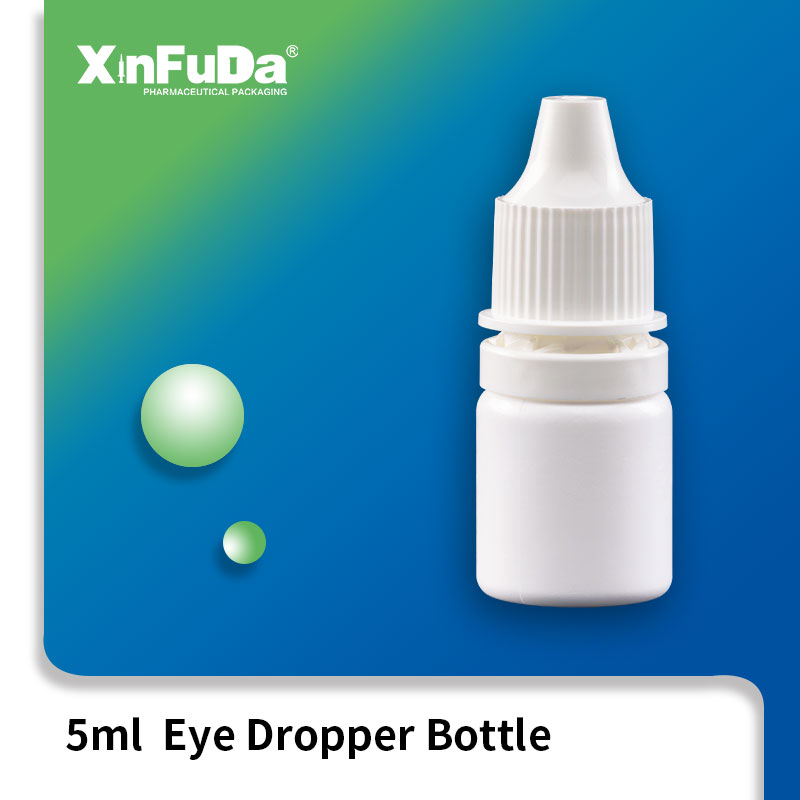
eye drop bottle
Choosing between LDPE & HDPE for your eye drop bottle? Our expert guide breaks down material properties, compatibility, and how to select the right plastic for your ophthalmic formulation. Ensure drug stability & patient safety.
If you're developing an ophthalmic solution, you know that the formulation is everything. But did you know that the eye drop bottle material is just as critical to your product's success? The wrong choice can lead to stability issues, drug absorption, and even patient harm.
As a trusted eye drop bottle manufacturer, we help pharmaceutical companies navigate this crucial decision every day. In this comprehensive guide, we’ll break down the most common materials used, their properties, and how to choose the right one for your specific application.
eye drop bottles
Why the "Container" is a Critical Component
The eye is exceptionally sensitive. The plastic bottle housing your solution must be:
Inert: It cannot interact with or absorb the active pharmaceutical ingredients (APIs).
Sterilizable: It must withstand sterilization processes like gamma irradiation or ETO without degrading.
Durable: It must protect the solution from external contaminants and environmental factors.
Squeezable: It must allow for easy, controlled dosing by the patient.
The material you select directly impacts all these factors. Let's compare the two most common contenders.
LDPE vs. HDPE: The Head-to-Head Comparison