
Tracking Innovation with Catalent: CPHI Frankfurt Track Sponsor interview
.png)
CPHI Frankfurt, to be held at Messe Frankfurt from October 28-30, 2025, will once again bring the pharmaceutical industry together for 3 days of collaboration and innovation. Our Track Sponsor interview series sits down with some of our conference track sponsors to discuss key themes and trends impacting the industry.
Catalent will be sponsoring this year's Packaging & Device Innovation theatre. The track highlights commitment to advancing patient-centric solutions through hybrid supply models, smart packaging, and sustainable practices, while informing on collaborations with industry leaders and the future of pharmaceutical innovation. In this interview, we hear from Eric Valentine, Vice President of Business Solutions at Catalent Clinical & Specialty Services, on what he is looking forward to at CPHI Frankfurt.
Why was Catalent excited to sponsor the Packaging & Device Innovation theatre, and what are you most excited about from the track?
Catalent is proud to sponsor this track because packaging and device innovation are central to how we deliver better treatments, faster. This conference brings together the brightest minds in the field, and we’re excited to showcase how our hybrid supply models and smart packaging solutions are transforming clinical and small-volume commercial delivery. What excites us most is the opportunity to collaborate with clients, interact with and learn from other attendees, and shape the future of global clinical trials.
How do you think the industry is set to meet advances in technology and innovation in packaging and device innovation to make sure they are implemented effectively?
The pharmaceutical industry is entering a transformative era where packaging and device innovation are now central to how we deliver value to patients and sponsors. At Catalent, we’ve adopted hybrid supply models like FastChain® to align packaging with real-time demand, improving speed, reducing waste, and enhancing flexibility. These models have delivered significant value to our clients and patients.
We're also embedding smart technologies and automation into our infrastructure. As clinical trials become increasingly more complex, we can provide real-time data access to enhance project planning contingencies and risk mitigation strategies. With today’s more patient-specific products and therapies being produced, success depends on designing solutions that are flexible, scalable, and patient-centric. Innovation is only impactful when it’s practical for the patient, and that’s our focus.
How seriously is the sector as a whole taking sustainability and waste management in the development of products?
Sustainability is no longer a side initiative, it’s a strategic imperative. Across the sector, we’re seeing a shift toward recyclable materials, reduced packaging layers, and smarter supply models that minimise waste. At Catalent our FastChain® platform is a great example, by aligning packaging with real-time patient demand, we reduce overproduction of clinical supplies, which reduces environmental impact while improving speed to patients. Additionally, a significant volume of our shipments throughout our global network are now made utilising reusable shippers, further supporting our sustainability goals.
How are you seeing the patient perspective being integrated into packaging and device innovation, and do you think enough is being done in this respect?
Patient needs are a core part of Catalent’s package design strategy. As a recent example of this patient centricity, we’ve prioritised accessibility for populations with low dexterity while balancing child resistance requirements. We collaborated closely with clients to select designs that support ease of use and have received positive user feedback on the final solutions implemented. As another example, Catalent tailored dosing strategies – ranging from 1 to 8 units per dose – and used wallet-style formats to improve portability and clarity. Throughout the design process, we focused on patient usability by optimising layout, incorporating weekly packs within a monthly carton, and using intuitive graphics to support easy understanding. Catalent designs its packaging with patient experience front of mind, aimed at supporting study adherence.
We should note there is more work to be done in patient centricity between sponsors, CDMOs, and regulators, particularly since the infrastructure needed to support regulations around compliance and since we work in a highly regulated environment, we continue to ensure compliance while adapting to evolving technology. The benefits of e-labels, for instance, have long been discussed by the industry for clinical packaging, as booklet labels tend to be very cumbersome and not very patient-friendly. Unfortunately, there is yet to be wide adoption of their use due to data integrity and compliance concerns. Cost-benefit challenges also exist, as scalability is required to overcome initial start-up costs associated with implementing new technologies. Since we work in a highly regulated environment, it will be challenging, at least in the short term, to take full advantage of technological benefits that could be available.
Will innovations for pressing health concerns, such as obesity management, have broader implications in the future for pharmaceutical development, and how so?
Absolutely. A healthier population could reduce healthcare risks and associated costs to society. Think about the implications of millions of people now with an improved health profile and the subsequent impact on industries such as food production, restaurants and clothing stores. These savings can be better invested to continue the trend of developing more personalised medicines and therapies. As these therapies become more personalised and complex, clinical supply teams must adapt with agile packaging, temperature-sensitive logistics, and accelerated distribution models.
At Catalent, we’re seeing increased demand for flexible supply solutions that support injectable formats, decentralised trials, and rapid scale-up, all critical to delivering next-generation obesity treatments efficiently and safely. Moreover, the rise of combination therapies and personalised dosing programmes in obesity care is driving complexity in labelling, comparator sourcing, and temperature-controlled logistics. Our global network and flexible infrastructure allow us to meet these challenges head-on, ensuring that innovation in treatment is matched by innovation in supply.
Obesity management is not an isolated innovation, it’s a proving ground for the future of pharmaceutical development. It challenges us to rethink how we design, deliver, and support therapies, and it offers a blueprint for more holistic, patient-centred care across the industry.
How are packaging and device innovations coming into play in fields such as cell and gene therapy?
Since cell and gene therapies (CGT) require precision, traceability, and strict adherence to temperature control, packaging for these therapies is critical. Innovations such as tamper-evident seals, integrated temperature monitors, and real-time tracking are enabling safe, compliant delivery of these complex products. However, we also need to consider management of the complex supply chain supporting the packaging and delivery of these therapies to patients without impacting product integrity.
At Catalent, we have developed Case Management Services to support CGT, providing 24/7 control over all supply chain streams including patient scheduling, manufacturing, packaging, and transportation logistics for individual patient treatments. We are proud that our Case Management Services received a CPHI Supply Chain Excellence Award at the 2023 conference, in recognition of the value that Catalent can provide clients and patients through the holistic delivery of CGT products.
There is more content on offer at CPHI Frankfurt then ever before at CPHI, what are you most looking forward to from this?
We’re looking forward to the exchange of ideas that will further enhance the drug development process and the patient experience. With so many tracks and experts in one place, CPHI Frankfurt offers a unique opportunity to explore how packaging, manufacturing, and digital health intersect. We’re especially excited to connect with peers and partners who share our passion for innovation and patient outcomes.
Eric Valentine is Vice President of Business Solutions at Catalent Clinical & Specialty Services, where he leads strategic initiatives and supports enterprise strategy. With over 25 years in CRO and drug development, he has also previously managed global facility and logistics strategies as well as Business Operations for Catalent’s Clinical Supply network.
Related News
-

News Rethinking Sustainability in the Pharmaceutical Industry – CPHI Frankfurt Interview
On site in the Messe Frankfurt for CPHI Frankfurt 2025 we had the chance to interview some of the speakers in the conference theatre, including Vera Carvalho Correia, Global ESG Senior Manager at Centrient Pharmaceuticals.
-
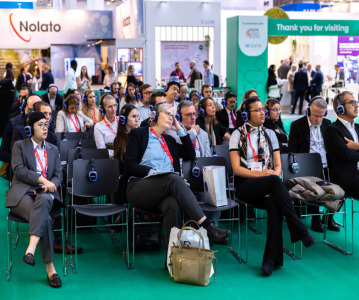
News CPHI Podcast Series: CPHI Frankfurt special – the future of health
Welcome to this special on-site episode of our podcast, recorded live at CPHI Frankfurt 2025. The following episode encapsulates the key themes that were discussed at CPHI Frankfurt this year.
-
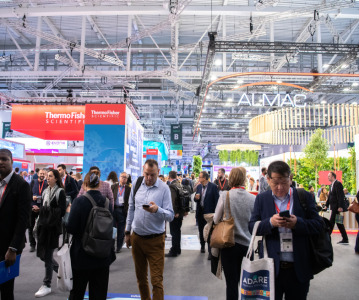
News A Day in the Life of an Exhibitor at CPHI Frankfurt
This month's Day in the Life of interview looks a little different! After a successful week at CPHI Frankfurt, we catch up with one of our exhibitors to get a peak behind the scenes and see how they spend their days on site.
-
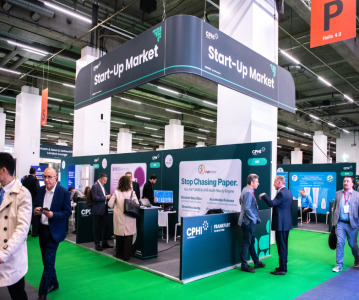
News A snapshot into the life of a Start-Up at CPHI Frankfurt
This interview captures a snapshot into what it is like for a Start-Up company attending CPHI Frankfurt for the first time, under the Start-Up Programme the event has been running for the last couple of years, and what this means to the people beh... -

News CPHI Celebration - the winners from the 2025 CPHI Pharma Awards
CPHI Celebration was held on the first night of CPHI Frankfurt 2025 in October 2025, whereby pre-eminent pharma players came together to recognise winners of the 2025 CPHI Pharma Awards.
-
News CPHI Frankfurt 2025 – From the Floor
In a full-circle moment, our From the Floor blog returns to Frankfurt for the 2025 edition of CPHI Frankfurt. Taking place over 3 days from 28–30 October, we're excited to be back in a city of global innovation to meet, collaborate, and grow ... -
News Pharma in Focus: Key Findings from the CPHI community
Explore what the CPHI community has to say about the top trends emerging from the pharmaceutical industry and supply chain with our annual Strategic Insights infographic.
-

News CPHI Podcast Series: From Patents to Public Health: The GLP-1 Journey
The latest episode of the CPHI Podcast Series delves into the future of obesity management globally, offering opinins on might happen after patent expirys and new globals players entering the fray.