
Treatment pipeline for COPD fails to address many unmet needs

The Chronic Obstructive Pulmonary Disease (COPD) treatment pipeline lacks innovation despite an influx of new therapies, says GBI Research.
Analysis from business intelligence provider GBI Research - Frontier Pharma: Chronic Obstructive Pulmonary Disease (COPD) - Identifying and Commercializing First-in-Class Innovation - states that while currently-available drugs aim to manage the frequency and severity of symptoms associated with COPD, none have been shown to modify long-term disease progression.
In addition to the need for disease-modifying drugs, much of the unmet need associated with COPD has been linked to poor adherence to medication.
Senior Analyst Yasser Mushtaq: "Tedious drug delivery processes and the need for frequent daily doses ultimately lead to poor compliance and management of COPD symptoms. As a consequence, drug development programs are focusing on developing long-acting medication.
"There is also a need for alternative anti-inflammatory agents. Traditionally reliant on Inhaled Corticosteroids (ICS), analysis of the COPD product development pipeline has confirmed greater interest in novel anti-inflammatory agents."
The analyst adds that beyond ICS therapy, the current market offers very limited anti-inflammatory treatment, which is a notable unmet need in COPD.
GBI Research's report also states that first-in-class product development in COPD treatment constitutes only 16.5% of the pipeline, which is relatively small compared to other respiratory indications. For example, asthma therapeutics exhibit greater innovation, with first-in-class products making up 23% of the pipeline.
Mushtaq continues: "There are suggestions that such innovation is filtering through into the COPD therapeutics pipeline, as asthma and COPD share mechanisms of pathophysiology, making it likely that products will be applicable to both diseases.
"In this way, innovations in the asthma treatment pipeline will significantly aid that of COPD. However, there is no clear indication that disease-modifying drugs will be released onto the COPD market any time soon, making it an attractive proposition for major pharma players."
Related News
-

News Pharmaceutical Supply Chain People Moves
The latest appointments, promotions, and structural changes across the pharmaceutical supply chain.
-

News Merck KGaA to buy US biotech SpringWorks for US$3.9 billion
The German multinational pharmaceutical company Merck KGaA have signed a deal to buy US biotech company SpringWorks Therapeutics at an equity value of US$3.9 billion in a move to add rare cancer therapeutics to their pipelines.
-

News Cassava Sciences halts Alzheimer's drug trial after limited progress
Cassava Sciences have drawn a close to their investigations and development of the drug simufilam, which they intended to be used for the treatment of Alzheimer’s disease.
-

News US FDA adds haemodialysis bloodlines to devices shortage list
On March 14, 2025, the US FDA published an open letter to healthcare providers citing continuing supply disruptions of haemodialysis bloodlines, an essential component of dialysis machines.
-

News Vertex Pharmaceuticals stock jumps as FDA approves non-opioid painkiller
UK-based Vertex Pharmaceuticals saw their stock shares soar as the US FDA signed off on the non-opioid painkiller Journavx, also known as suzetrigine, for patients with moderate to severe acute pain, caused by surgery, accidents, or injuries.
-

News Lessons from CPHI Milan 2024: Sunny Intervals for Pharma Manufacturing?
As the 2024 CPHI conference wrapped up in Milan, we caught up with L.E.K. Consulting – a global strategy consulting firm with deep expertise in pharma manufacturing – to discuss evolving market perspectives and business outlook. -

News US BIOSECURE Act passed by US House of Representatives
The controversial act, which has already impacted several foreign companies operating in the US, was passed by the House of Representatives on September 9, 2024. It is now headed for the US Senate before it can be signed into law by President Joe Biden... -
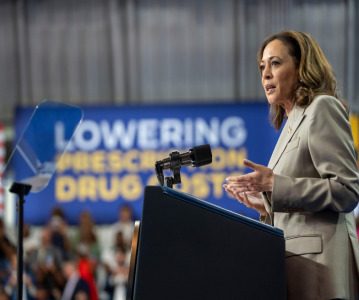
News Drug prices agreed upon as part of the US Inflation Reduction Act
The Inflation Reduction Act brought into constitution by the Biden administation in 2022, which proposed a drug price negotiation between the government and pharmaceutical companies, has reached it's first agreement.