
UAE pharmaceutical market set to hit $5.7 billion by 2020 as medical tourism grows

The UAE is quickly gaining popularity as a medical tourism destination due to its low costs, English-speaking medical staff, and virtually non-existent queues for treatment.
The pharmaceutical market in the United Arab Emirates (UAE) is set to grow from just over $3 billion in 2015 to $5.7 billion by 2020, driven by increased healthcare expenditure, mandatory health insurance, and growing medical tourism, according to research and consulting firm GlobalData.
The company’s latest report states that the UAE is quickly gaining popularity as a medical tourism destination due to its low costs, English-speaking medical staff, and virtually non-existent queues for treatment. Indeed, the Dubai Health Authority is working to develop the medical tourism sector, aiming to attract 1.3 million medical tourists annually by 2021. The revenue on medical tourism is expected to grow by 13% annually for the next 5 years.
Another driver of growth is the fact that the UAE generally has a stable political and economic environment, allowing for prosperity. One major initiative of the UAE government is its encouragement of private sector involvement and investment with the ultimate aim of improving healthcare. To this end, the government has established the Dubai Healthcare City and Dubai Science Park, which are special zones that come with 100% tax redemption and foreign ownership.
Despite the opportunities clearly open for growth and prosperity, the market will face a number of threats throughout the forecast period, curbing growth. Indeed, the UAE government has been lowering the price of drugs since 2011, adversely affecting the revenues of pharmaceutical companies.
Another threat to the region includes the proliferation of counterfeit drugs. According to the World Health Organization, the Middle East faces a significant challenge related to counterfeits and the illegal re-importation of medicines, with estimates suggesting that as much as 35% of the entire pharmaceutical market in the Middle East may be illicit in one way or the other. Counterfeit drugs not only result in potential treatment failure and death, also lead to loss of public confidence in health delivery systems.
Related News
-

News Pharmaceutical Supply Chain People Moves
The latest appointments, promotions, and structural changes across the pharmaceutical supply chain.
-

News Merck KGaA to buy US biotech SpringWorks for US$3.9 billion
The German multinational pharmaceutical company Merck KGaA have signed a deal to buy US biotech company SpringWorks Therapeutics at an equity value of US$3.9 billion in a move to add rare cancer therapeutics to their pipelines.
-

News Cassava Sciences halts Alzheimer's drug trial after limited progress
Cassava Sciences have drawn a close to their investigations and development of the drug simufilam, which they intended to be used for the treatment of Alzheimer’s disease.
-
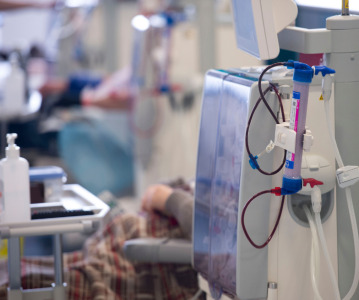
News US FDA adds haemodialysis bloodlines to devices shortage list
On March 14, 2025, the US FDA published an open letter to healthcare providers citing continuing supply disruptions of haemodialysis bloodlines, an essential component of dialysis machines.
-
News Vertex Pharmaceuticals stock jumps as FDA approves non-opioid painkiller
UK-based Vertex Pharmaceuticals saw their stock shares soar as the US FDA signed off on the non-opioid painkiller Journavx, also known as suzetrigine, for patients with moderate to severe acute pain, caused by surgery, accidents, or injuries.
-
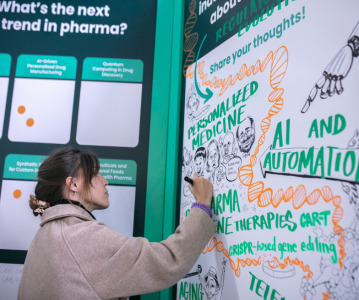
News Lessons from CPHI Milan 2024: Sunny Intervals for Pharma Manufacturing?
As the 2024 CPHI conference wrapped up in Milan, we caught up with L.E.K. Consulting – a global strategy consulting firm with deep expertise in pharma manufacturing – to discuss evolving market perspectives and business outlook. -
News US BIOSECURE Act passed by US House of Representatives
The controversial act, which has already impacted several foreign companies operating in the US, was passed by the House of Representatives on September 9, 2024. It is now headed for the US Senate before it can be signed into law by President Joe Biden... -
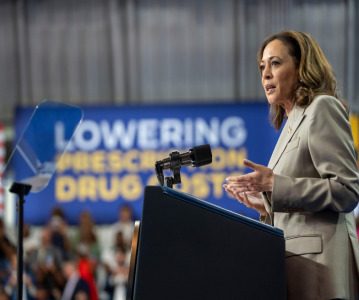
News Drug prices agreed upon as part of the US Inflation Reduction Act
The Inflation Reduction Act brought into constitution by the Biden administation in 2022, which proposed a drug price negotiation between the government and pharmaceutical companies, has reached it's first agreement.