
Using mobile phones to fight Alzheimer’s disease

Researchers study how radiofrequency electromagnetic fields could be used in Alzheimer’s disease therapy.
Future treatments for age-related dementia could involve mobile phone frequency electromagnetic fields, researchers at Nazarbayev University and the National Laboratory Astana investigate.
The scientists are studying how radiofrequency electromagnetic fields could be used in Alzheimer’s disease therapy, selecting a frequency of 918 MHz because it’s commonly used in mobile phones.
Alzheimer’s disease, the most common form of age-related dementia, is usually characterised by loss of memory and dramatic changes in character and behaviour, eventually leading to an inability to carry out normal daily life activities. The cause of the disease is the accumulation of the toxic beta-amyloid peptide in brain tissues, which leads to oxidative stress, neuroinflammation, mitochondrial dysfunction, and ultimately – the death of nerve cells.
The study provides insight into what happens when an electromagnetic field of 918 MHz frequency suppresses oxidative stress triggered by beta-amyloid.
Researcher Andrey Tsoy says: “Building on the work of scientists from the USA, who conducted experiments with the same parameters in a 6-month period, we used human and rat cultures – model cells – and shorter exposure periods of 60 minutes. The results of our studies, obtained by irradiation of cells with an electromagnetic field frequency of 918 MHz in a period of up to 24 hours, confirmed the ability of the electromagnetic field to suppress oxidative stress, which indicates the possible therapeutic effect.
“Thus, irradiation with an electromagnetic field frequency of 918 MHz can probably be used in the treatment of Alzheimer’s disease patients.”
Nazarbayev University’s scientists plan to continue research in this direction and confirm whether these methods can be implemented in the fight against the devastating disease.
Related News
-

News Pharmaceutical Supply Chain People Moves
The latest appointments, promotions, and structural changes across the pharmaceutical supply chain.
-

News Merck KGaA to buy US biotech SpringWorks for US$3.9 billion
The German multinational pharmaceutical company Merck KGaA have signed a deal to buy US biotech company SpringWorks Therapeutics at an equity value of US$3.9 billion in a move to add rare cancer therapeutics to their pipelines.
-

News Cassava Sciences halts Alzheimer's drug trial after limited progress
Cassava Sciences have drawn a close to their investigations and development of the drug simufilam, which they intended to be used for the treatment of Alzheimer’s disease.
-
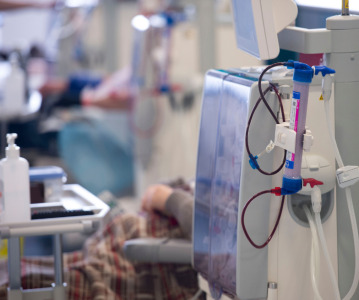
News US FDA adds haemodialysis bloodlines to devices shortage list
On March 14, 2025, the US FDA published an open letter to healthcare providers citing continuing supply disruptions of haemodialysis bloodlines, an essential component of dialysis machines.
-

News Vertex Pharmaceuticals stock jumps as FDA approves non-opioid painkiller
UK-based Vertex Pharmaceuticals saw their stock shares soar as the US FDA signed off on the non-opioid painkiller Journavx, also known as suzetrigine, for patients with moderate to severe acute pain, caused by surgery, accidents, or injuries.
-

News Lessons from CPHI Milan 2024: Sunny Intervals for Pharma Manufacturing?
As the 2024 CPHI conference wrapped up in Milan, we caught up with L.E.K. Consulting – a global strategy consulting firm with deep expertise in pharma manufacturing – to discuss evolving market perspectives and business outlook. -
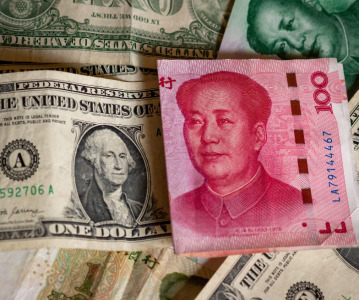
News US BIOSECURE Act passed by US House of Representatives
The controversial act, which has already impacted several foreign companies operating in the US, was passed by the House of Representatives on September 9, 2024. It is now headed for the US Senate before it can be signed into law by President Joe Biden... -
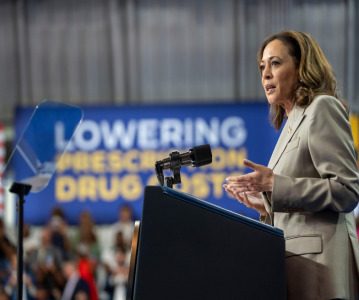
News Drug prices agreed upon as part of the US Inflation Reduction Act
The Inflation Reduction Act brought into constitution by the Biden administation in 2022, which proposed a drug price negotiation between the government and pharmaceutical companies, has reached it's first agreement.