
Venezuela’s emerging pharmaceutical markets threatened
.png)
Economic and political turmoil along with inefficient patent laws and drug pricing policies are major barriers.
Venezuela is one of the emerging pharmaceutical markets in South America, with a major dependence on imports. However, economic and political turmoil along with inefficient patent laws and drug pricing policies are major barriers according to GlobalData, a leading data and analytics company.
The company’s latest report: ‘CountryFocus: Healthcare, Regulatory and Reimbursement Landscape – Venezuela’, reveals that the country’s total pharmaceutical market value was $12.6 billion in 2015, increasing from $5.7 billion in 2009, at a Compound Annual Growth Rate (CAGR) of 14.1%.
However, Venezuela’s current economic crisis may reverse this healthy growth rate with healthcare services now becoming more expensive in the country.
In 2015, the average price of healthcare services increased by 38.5% from the previous year. Out of pocket expenditure in 2015 was also high at 67.3% and drug prices are now considerably higher than the region average of $7.86. In 2016 the average drug price in Venezuela was $21.95, the highest in the entire Latin America region.
The supply of pharmaceuticals in the country is heavily dependent on imports with the market growing significantly from 2009 to 2012. Since then pharma imports have dipped with pharmacies facing a shortage of essential medicines despite the efforts of the government to maintain supply. As of May 2017, about 85% of the country’s required drug demand was not being met.
Tathagata Ghosh, Healthcare Analyst at GlobalData commented: ‘As well as pharmaceuticals, the medical device market is heavily dependent on imported products. The US is the major supplier for medical devices, although in recent times Cuba, Mexico and Brazil have replaced some US exports. Disposable healthcare items such as syringes, surgical clothes and hospital furniture are all manufactured domestically.’
Inefficient healthcare infrastructure, shortage of medicines in pharmacies and a high level of private healthcare expenditure leave plenty of room for improvement in the healthcare system.
Venezuelan healthcare facilities are mainly limited to primary hospitals, due to a high share of primary care in the overall healthcare provision. The number of secondary and tertiary hospitals is very low. The government provides easy access to primary hospitals through the Misión Barrio Adentro (In the Neighbourhood Mission). Under this program, primary care contents are available in rural and urban areas to provide healthcare services to the whole population.
Tathagata continued: ‘By 2013, Misión Barrio Adentro had saved about 1.7 million lives and is looking to expand further with plans to set up 824 new clinics in co-ordination with local provincial governments.’
Venezuela is ranked 187 out of 190 countries in ease of doing business. In July 2017, the rating firm Standard & Poor’s downgraded Venezuela’s economy to *CCC with a negative outlook. Moody’s also downgraded its rating to **Caa3 with a negative outlook, while Fitch rated it at CCC with a negative outlook.
Related News
-

News Pharmaceutical Supply Chain People Moves
The latest appointments, promotions, and structural changes across the pharmaceutical supply chain.
-

News Merck KGaA to buy US biotech SpringWorks for US$3.9 billion
The German multinational pharmaceutical company Merck KGaA have signed a deal to buy US biotech company SpringWorks Therapeutics at an equity value of US$3.9 billion in a move to add rare cancer therapeutics to their pipelines.
-

News Cassava Sciences halts Alzheimer's drug trial after limited progress
Cassava Sciences have drawn a close to their investigations and development of the drug simufilam, which they intended to be used for the treatment of Alzheimer’s disease.
-
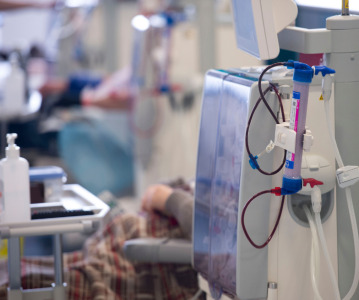
News US FDA adds haemodialysis bloodlines to devices shortage list
On March 14, 2025, the US FDA published an open letter to healthcare providers citing continuing supply disruptions of haemodialysis bloodlines, an essential component of dialysis machines.
-

News Vertex Pharmaceuticals stock jumps as FDA approves non-opioid painkiller
UK-based Vertex Pharmaceuticals saw their stock shares soar as the US FDA signed off on the non-opioid painkiller Journavx, also known as suzetrigine, for patients with moderate to severe acute pain, caused by surgery, accidents, or injuries.
-

News Lessons from CPHI Milan 2024: Sunny Intervals for Pharma Manufacturing?
As the 2024 CPHI conference wrapped up in Milan, we caught up with L.E.K. Consulting – a global strategy consulting firm with deep expertise in pharma manufacturing – to discuss evolving market perspectives and business outlook. -
News US BIOSECURE Act passed by US House of Representatives
The controversial act, which has already impacted several foreign companies operating in the US, was passed by the House of Representatives on September 9, 2024. It is now headed for the US Senate before it can be signed into law by President Joe Biden... -
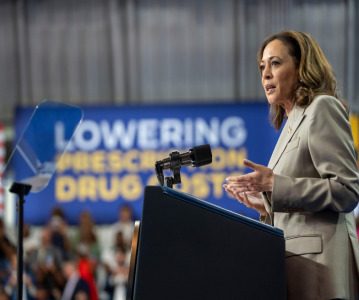
News Drug prices agreed upon as part of the US Inflation Reduction Act
The Inflation Reduction Act brought into constitution by the Biden administation in 2022, which proposed a drug price negotiation between the government and pharmaceutical companies, has reached it's first agreement.