What are the differences between electron beam irradiation and gamma ray irradiation in COP vial sterilization?
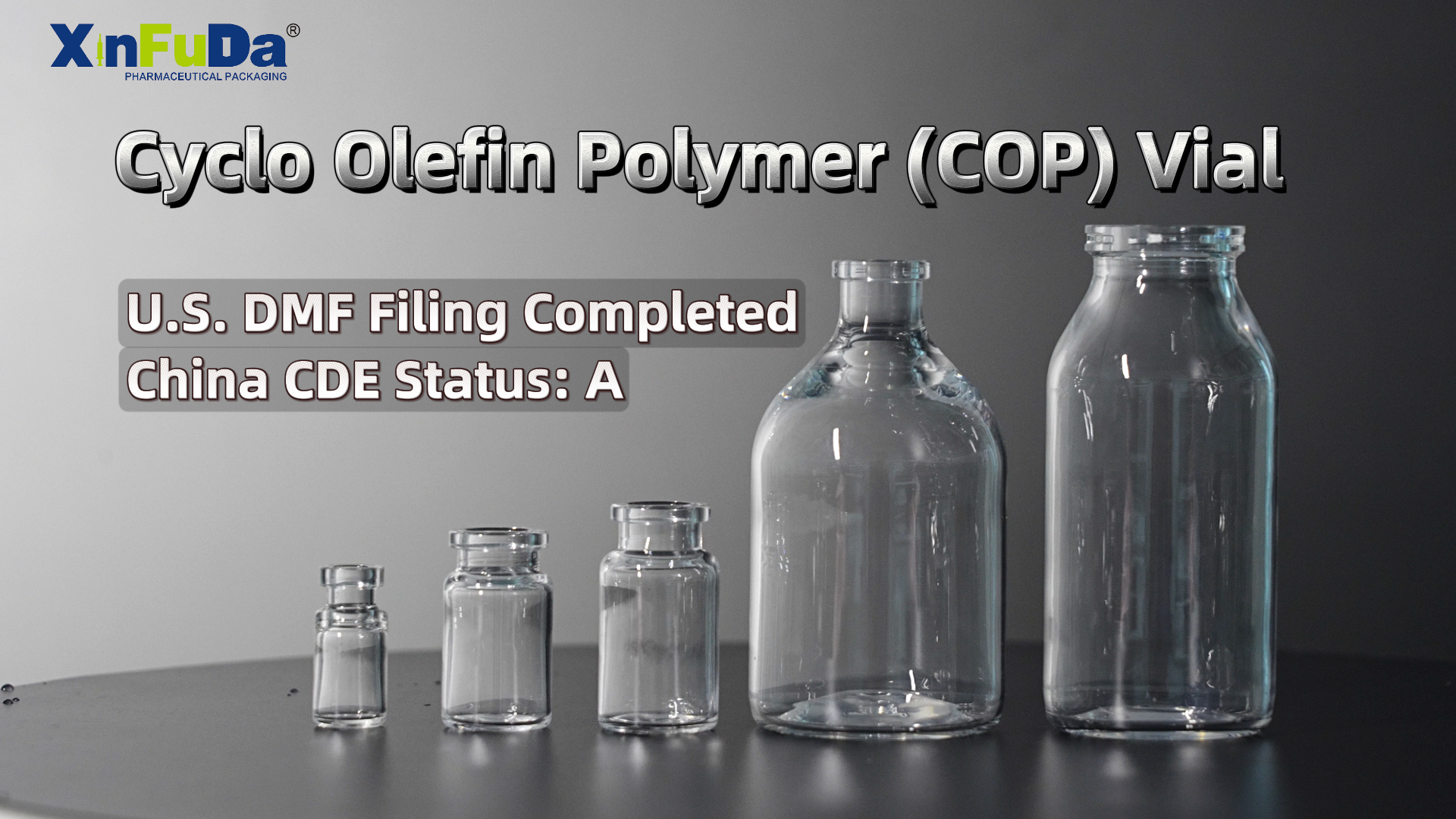
cz vial
When sterilizing COP(Cyclo Olefin Polymer) vials by irradiation, electron beams and gamma rays are two mainstream technologies. Their core differences lie in the energy source, penetration power, and process control, which directly affect the sterilization effect, efficiency, and stability of the material itself.
When sterilizing COP vials by irradiation, electron beams and gamma rays are two mainstream technologies. Their core differences lie in the energy source, penetration power, and process control, which directly affect the sterilization effect, efficiency, and stability of the material itself.
RTU vial
ReferenceElectron beam irradiationGamma irradiationWorking principleHigh-energy electron streams generated by electron acceleratorsUtilizing the gamma photons released during the decay of radioactive isotopes (such as cobalt-60)Penetration abilityWeaker, suitable for relatively simple, regular or shallow packaging.Extremely strong, capable of handling complex shapes, high density, or already sealed packaging.Process controlFully controllable, no radiation after power outage, high processing speed (seconds/minutes)Uncontrollable, radioactive source continuously decays, longer processing time (hours/days).SafetyNo radioactive waste, more acceptable to the publicInvolves issues of radioactive material transportation, storage, and waste source disposalImpact on COP materialsExtremely fast processing speed, low heat generation, helps reduce the risk of discoloration due to thermal effectsRelatively long processing time, heat accumulation, potentially increasing the risk of material oxidation and discolorationOperating costsHigh equipment investment, but relatively low energy consumption, lower unit cost (approximately 200 RMB)High facility construction and radioactive source maintenance costs, higher unit cost (approximately 500 RMB)Applicable scenariosMore suitable for large-scale, continuous production, and cost- and efficiency-sensitive productsMore suitable for processing irregular, high-density products or small batches of samples in the research stage
Electron beam: If your product is produced in large batches with neat packaging, and you place great importance on production efficiency, cost control, and maximizing the clarity and transparency of COP vials, then an electron beam is generally the better choice.
vial for cell
Gamma ray: If the product to be processed has a complex shape, high density, or is a finished product that has already been sealed, gamma rays are a more reliable choice due to their strong penetrating power.
In summary, the choice of method is not absolute; the key is to match it with your product characteristics and core needs. To make the most prudent decision, it is strongly recommended that you conduct a "small-batch validation" before making a final decision. Treat small samples with both methods at a determined sterilization dose, and then compare and examine the color change, clarity, and physical properties of the COP vials to guide production with actual data.