RXL® Portfolio

Product Description
GELITA AG

-
Country/Region:Germany
-
Founded:1875
-
On CPHI since:2023
-
Employees:1000 - 4999
Company types
Primary activities







GELITA AG
-
Country/Region:Germany
-
Founded:1875
-
On CPHI since:2023
-
Employees:1000 - 4999
Company types
Primary activities
More Products from GELITA AG (4)
-

Product DELASOL®
DELASOL® is the first gelatin product on the market that enables the production of enteric capsules in just one process step. -
Product EASYSEAL®
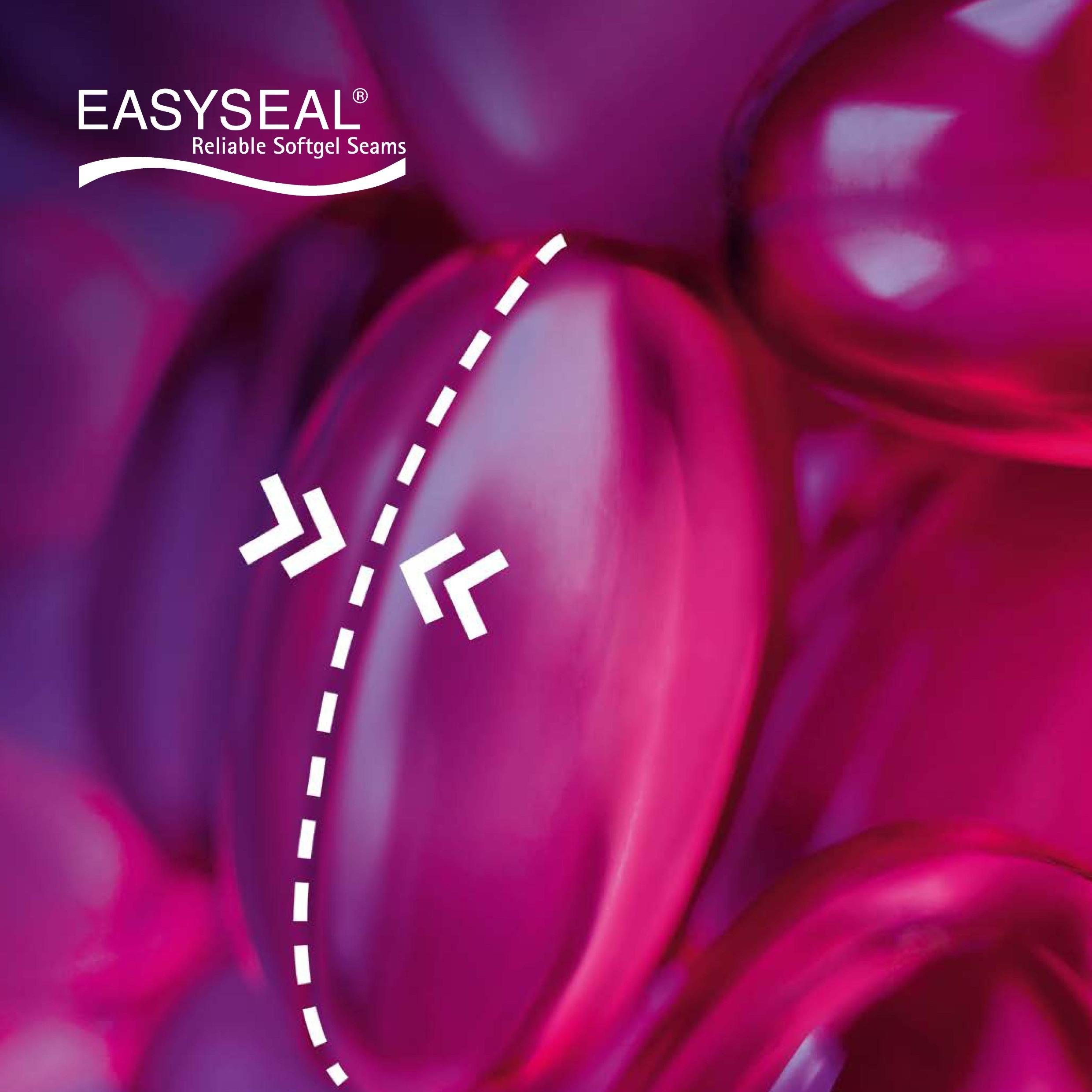
EASYSEAL® reduces leakers significantly, lowers processing costs and results in higher quality of the end products. Softgels losing their fill due to insufficient capsule seams are a major cause of lost productivity and reduced yield. EASYSEAL® overcomes the issue and provides additional benefits at the sa... -
Product Endotoxin Controlled Excipients
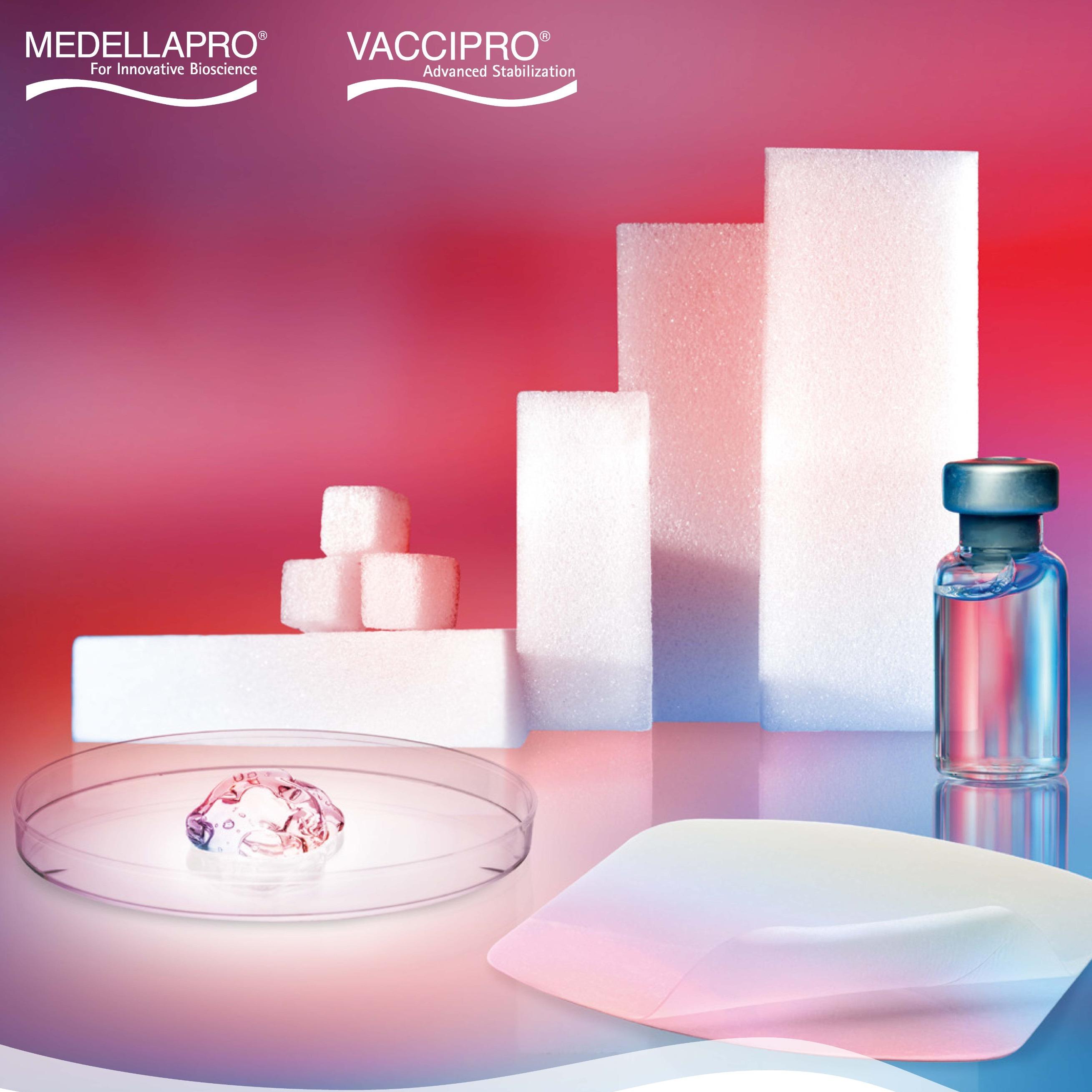
MEDELLAPRO® is a range of endotoxin controlled gelatins specifically used for advanced biomedical applications, including parenteral solutions, hemostatic agents, wound care, 3D bioprinting and cell culture. VACCIPRO® collagen peptides provide exceptional compatibility and performance as a stabilizer in in... -
Product RAPISOL®
RAPISOL® is a fast-release gelatin designed for rapid dissolution of the capsule shell, ensuring fast and reliable release of active ingredients.
GELITA AG resources (7)
-
Brochure Performance by Design GELITA® Pharmaceutical Grade Gelatin
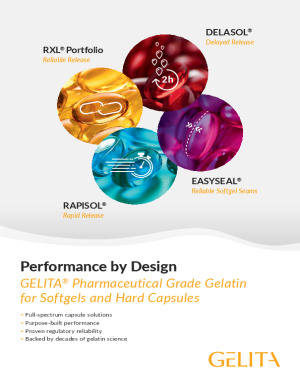
Pharmaceutical Grade Gelatin for Softgels and Hard Capsules – Full-spectrum capsule solutions – Purpose-built performance – Proven regulatory reliability – Back -
.png)
Industry Webinar The Role of Non-Animal Recombinant Collagen Proteins in Biomedical Applications: From Vaccine Stabilization to Artificial Organs
For decades, GELITA has been providing specialized collagen for vaccine stabilization and applications in bioscience. This presentation delves into the production and use of recombinant collagen proteins and peptides, focusing on their role in vaccine stabilization and various biomedical applications. As we transition to biotechnological advancements, we explore how genetically engineered collagen peptides replicate the stabilizing properties of their animal-derived counterparts, while also offering additional benefits such as scalability and reduced ethical concerns. A similar transition will be highlighted for the use of genetically engineered collagen protein in bioinks and scaffolding, leading into advanced 3D bioprinting of organoids and artificial organs. The discussion will underscore the gradual industry shift towards non-animal sourced excipients, driven by advancements in biotechnology and evolving regulatory and consumer preferences.