Video
23 Oct 2024
Safeguarding the Supply Chain from Ingredient Shortage

Content provided by our supplier
FUJIFILM

-
Country/Region:United States
-
On CPHI since:2018
-
Certificates:4
-
Employees:1000 - 4999
Company types
Primary activities







Other Content from FUJIFILM (45)
-
Brochure ES-F Mini Brochure
Brief summary dedicated to FUJIFILM Wako's endotoxin-specific lysate reagent. -
%20(1).png)
Video The State of AI in Next-Generation R&D
As biologics pipelines expand and complexity rises, the need for smarter, faster innovation has never been greater. AI is poised to transform biologics R&D—not just by accelerating discovery, but by reimagining how we harness data to drive breakthroughs.
This session explores the bigger picture: what’s fueling AI adoption, and what’s still holding it back. From siloed healthcare systems and unstructured data challenges to the growing demand for customized data sets, we’ll look at how forward-thinking organizations are overcoming these barriers to unlock more connected, adaptive, and intelligent R&D strategies. -
%20(1).png)
Industry Webinar Pathway to $10/g Biologics Production: Reshaping the Biomanufacturing Landscape
Status and Accessibility of Biologics: The Biologics Market is Growing Rapidly & Poor Accessibility of Biologics, Challenges and Solutions Pathway to $10/g Biologics Production: · Breakthrough Technology: Ultra-large scale Production Line, Innovative Manufacturing Processes: Epic-CHO@ Cell Line and Grand-CHO@ Platform & Revolutionary Engineering: Panflex@-Engineering BiBo Moment: Reshaping the Biomanufacturing landscape: Differentiated Advantages & The Fourth Revolutionary Wave of Biologics Manufacturing -
.png)
Industry Webinar Streamlining Qualification of Custom Products in Biopharmaceutical Manufacturing: Solutions for Single-Use Systems and Cell Culture Media
The customization of single-use systems and cell culture media (CCM) presents significant opportunities for improving pharmaceutical manufacturing efficiencies, including reduced time, enhanced quality, and optimized resource utilization. However, the qualification of these custom products poses challenges, particularly regarding the systematic acquisition and evaluation of essential information.
This presentation will explore effective strategies for leveraging custom documentation to speed-up the qualification process of single-use assemblies and CCM. This includes: Key Criteria: Discussing the initial qualification criteria for selecting custom products. Overcoming Obstacles: Evaluating common challenges and practical solutions in the qualification of custom single-use assemblies and CCM. Compliance Simplified: focus on quality and regulatory compliance documentation. -
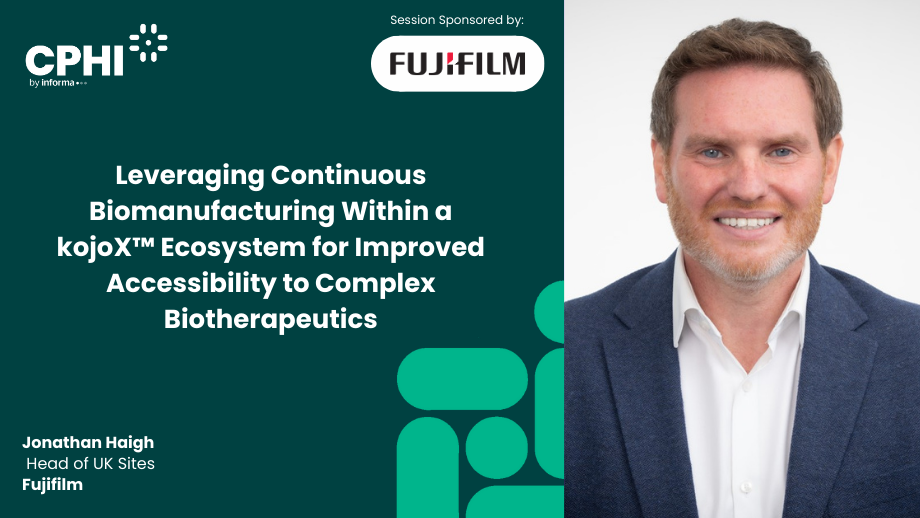
Industry Webinar Leveraging Continuous Biomanufacturing Within a kojoX™ Ecosystem for Improved Accessibility to Complex Biotherapeutics
With an increasing industry emphasis on complex modalities, sustainable manufacturing and medicine accessibility, the spotlight has been cast on continuous biomanufacturing as a solution. Our MaruX™ technology platform provides a third dimension to our scale-up and scale-out offering that can be leveraged for the production of complex molecules, bi-specifics, tri-specifics, and fusion proteins in cost-effective ways from clinical through to commercial scale.
Sustainable manufacturing is achieved by reducing energy costs and manufacturing facility footprint, through process intensification and automation that enhance clean-room efficiencies. While our SymphonX™ technology enables both continuous and fed-batch manufacturing within one facility, offering flexibility for production processes. Both systems form an integral part of our kojoX™ globally harmonised ecosystem - designed to enable high quality bioproduction, faster tech transfer, supply chain resilience and reduced regulatory burden - delivering unmatched speed to market of life-changing medicines for both stainless steel and single use biomanufacturing. -
.png)
Industry Webinar Data-Driven Strategies From Cytiva to Cut Scope 3 Emissions in Biopharma: From Ecodesign to Process Intensification
Cytiva helps the biopharma industry reduce Scope 3 emissions with strategies such as embedding ecodesign principles across our product portfolio and advancing process intensification approaches. Through the use of primary emissions data, we empower manufacturers to make smarter, data-driven sustainability decisions across the entire the value chain. -
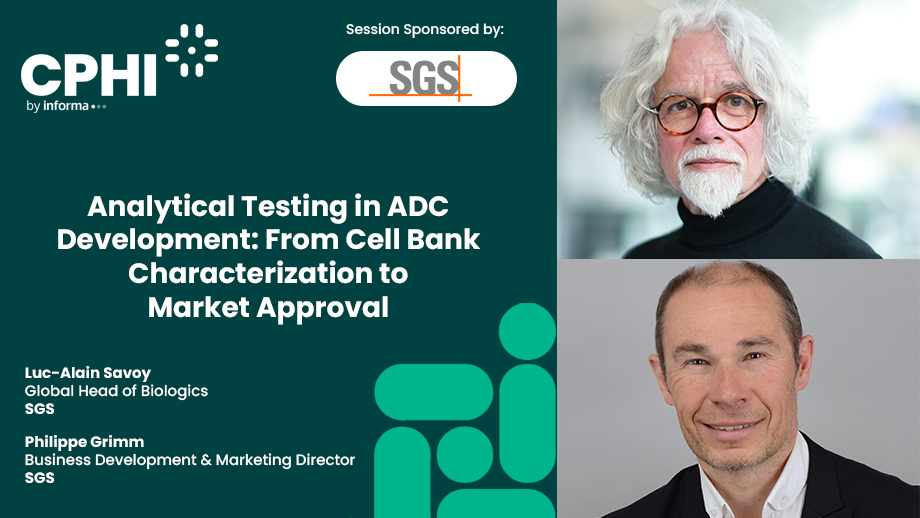
Industry Webinar Analytical Testing in ADC Development: From Cell Bank Characterization to Market Approval.
The development of antibody-drug conjugates (ADCs) requires robust, multidisciplinary analytical expertise spanning chemistry, protein science and cellular biology. With a global network of state-of-the-art laboratories, we are uniquely positioned to support clients at every stage of ADC development – from early discovery to market authorization. This presentation will emphasize the importance of ensuring quality, safety and consistency across all ADC production intermediates, while showcasing our comprehensive, integrated service offering. Core capabilities include raw material testing, cell bank characterization and in-depth physicochemical and functional analysis of ADCs. All services are driven by scientific rigor and innovation, and aligned with regulatory expectations. -
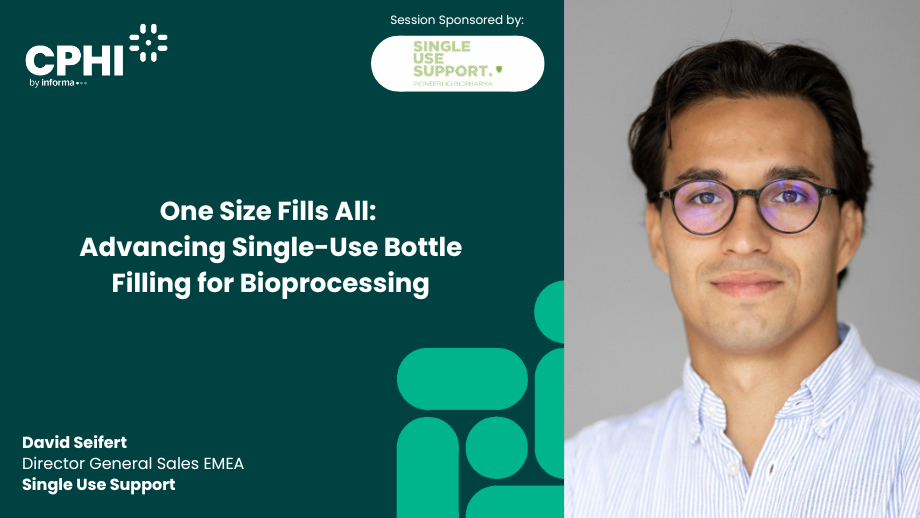
Industry Webinar One Size Fills All: Advancing Single-Use Bottle Filling for Bioprocessing
Single-use bottles continue to play a significant role in biomanufacturing, yet they often fall short in supporting closed, aseptic, and scalable fluid management. This presentation explores how automated single-use bottle filling bridges that gap. By combining process flexibility with cGMP compliance, automated systems are helping manufacturers streamline drug substance handling while staying adaptable to different bioprocessing needs. Automation is not just a technical upgrade, but a strategic enabler for modern bioprocessing. In this session, you’ll learn: Why automation is a game changer for single-use bottle filling systems. What it takes to upgrade conventional bottle filling and scale bioprocesses for active pharmaceutical ingredients. Why flexibility is key – and how modern solutions can adapt to your biomanufacturing environments. -
.png)
Industry Webinar Refining the Antibody Capture Process: Innovations for Enhanced Purity and Efficiency With Modern Affinity Resins
This presentation examines evolving therapeutic antibody processes. Processing of conventional mAbs continues to mature, while new chromatography approaches are required for multispecifics and fragments—as a one-size-fits-all strategy has become outdated. Optimizing capture requires selecting processes based on the target molecule, development stage, scale-up plans, and budgets. Moreover, antibody variants are challenged with aggregation and product-related impurities. We will evaluate strategies focused on resin selection, operation mode, and process conditions to boost purity, yield, and productivity, including new protein A resins. -
%20(1).png)
Industry Webinar Redefining CDMO Partnerships Through EnzeneX™ 2.0 and Fully-Connected Continuous Manufacturing™
The biotech industry is undergoing rapid transformation – driven by technological innovation, global market shifts, and mounting healthcare cost pressures. As a result, the need for cost-efficient, scalable, and reliable biologics manufacturing has never been more critical.
Enzene’s response to this challenge is EnzeneX™ 2.0 – the next evolution of our Fully-Connected Continuous Manufacturing™ (FCCM™) platform. Unlike conventional batch or semi-continuous (hybrid) processes, FCCM™ enables: Uninterrupted, end-to-end integration from upstream through downstream Elimination of inefficiencies across the production cycle Reduced infrastructure burden
EnzeneX™ 2.0 further enhances these advantages through: High-titer clones Advanced Process Analytical Technology (PAT) Optimized cell media Consistent, high-yield production at $40 per gram
This session will explore how platforms like FCCM™ are: Enabling greater yield and sustainability Reducing manufacturing costs Expanding global access to life-saving therapies With our new FCCM-enabled facility in New Jersey, Enzene is not only expanding its global footprint but also redefining what CDMO partnerships can achieve in today’s volatile landscape.
We Are Enzene – a team of holistic thinkers, doers, and partners. We’re not just manufacturing biologics; we’re engineering a fully-connected future for how they’re made. -
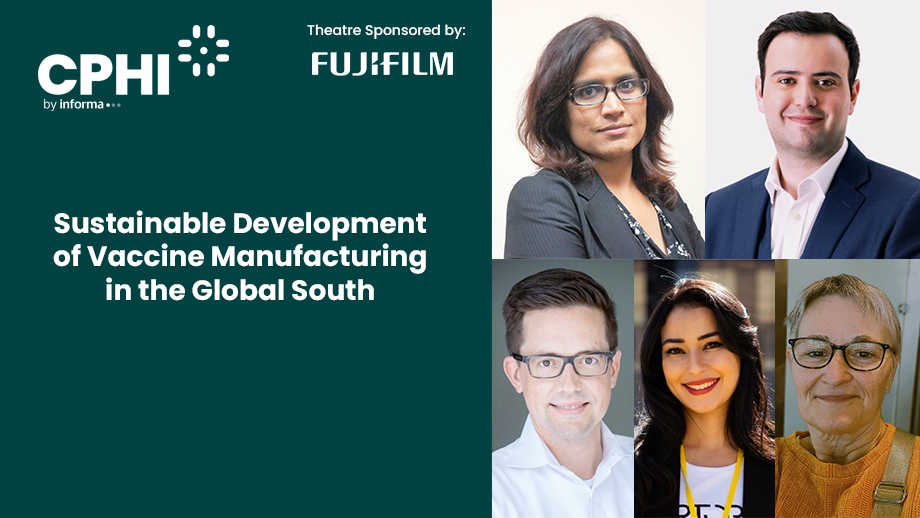
Industry Webinar Sustainable Development of Vaccine Manufacturing in the Global South
In this session, we will address challenges and potential solutions associated with establishing robust and resilient vaccine manufacturing and supply chains in low- and middle-income countries (LMICs). While these regions face significant constraints in manufacturing capabilities and supply chain logistics, they also present unique potential for scaling up global vaccine manufacturing capacity and, therefore, achieving global health security, equitable access, and rapid response in outbreak situations. During the session, we will present on technical, infrastructural, and financial barriers that hinder vaccine manufacturing in LMICs, including limited technical know-how, lack of skilled workforce, and insufficient funding. We will also examine supply chain pain points for input materials and distribution of finished goods in these regions. Some of the successful case studies and innovative approaches being employed will also be presented, which addresses some of the challenges mentioned above. We look forward to active participation from Biologics manufacturers, vendors, policymakers, and multilateral organizations. -
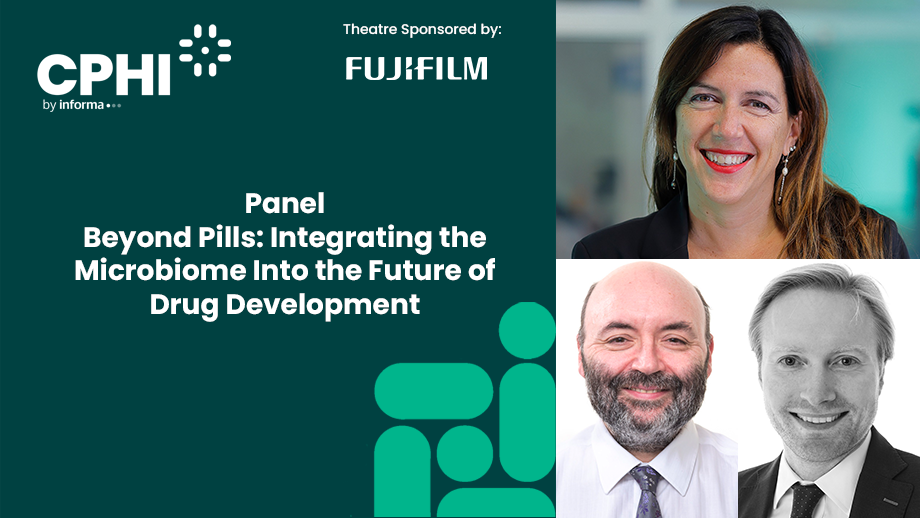
Industry Webinar Beyond Pills: Integrating the Microbiome Into the Future of Drug Development
As our understanding of the microbiome deepens, a new horizon is opening beyond classic drug-centric approaches. This session explores how integrating microbiome insights can transform drug development and therapeutic strategies, enabling more precise, effective and sustainable healthcare solutions.
Themes : Drug–microbiome interactions (pharmacomicrobiomics): Understanding how the microbiome influences drug metabolism, efficacy and safety. Combination strategies: Pairing conventional drugs with microbiome modulators to enhance outcomes or mitigate side effects. Microbiome-based therapies: From fecal microbiota transplants (FMT) to live biotherapeutics and next-generation engineered strains. The data and technology stack: What infrastructure is needed to integrate microbiome data into R&D pipelines and clinical decision-making?
Participants should leave with a clear picture of how to move from molecule-centered development to systems-level approaches that embrace the microbiome as a key therapeutic partner. -
%20(1).png)
Industry Webinar Lightning Talk: Overcoming Bottlenecks in Drug Development: The Future of Nanoparticle Characterization
The rapid advancement of mRNA therapies, gene editing, and personalized medicine is transforming drug development, yet analytical bottlenecks in nanoparticle characterization slow down progress. This session explores how emerging technologies, AI-driven data processing, and innovative analytical methodologies can enhance nanoparticle quality control, improve reproducibility, and accelerate regulatory approvals. Drawing from real-world case studies and industry trends, we will discuss the future of bio-manufacturing and how to make next-generation therapies more accessible, scalable, and cost-effective. -
%20(1).png)
Industry Webinar Lightning Talk: Innovating the Future of Biologics R&D
Disruptive Organ-on-Chip Models for Predictive Drug Permeation, Toxicity, and Efficacy Testing.
Discover how next-generation gut-on-chip and skin-on-chip models are reshaping preclinical research. Using the patented MIVO® millifluidic platform, we’ve developed dynamic human tissue systems that accurately mimic physiological conditions, offering powerful alternatives to in vivo testing. Our dual-flow gut model achieves full intestinal differentiation in less than 14 days, enables precise control over barrier function and mucus production, finally increasing the reliability and predictability of drug permeation. Integrated with a 3D skin model, our multi-organ system simulates the gut–skin axis, revealing how oral treatments like probiotics can improve skin hydration through microbiota modulation. This talk will explore how these validated platforms accelerate drug screening, support microbiome-based therapies, and bridge the translational gap—delivering scalable, ethical, and regulatory-ready solutions for pharma and dermocosmetic innovation. -

Industry Webinar Lightning Talk: Bioinformatics, Molecular Modelling, and AI: Transforming the Enzyme Engineering Landscape
Enzyme engineering has become a critical enabler of sustainable and efficient processes in the pharmaceutical, chemical, and food industries. However, conventional approaches such as directed evolution or structure-based mutagenesis remain resource-intensive and are often limited by the availability of structural or functional data. This presentation outlines a computational framework that integrates molecular modeling, bioinformatics, and artificial intelligence (AI) to accelerate enzyme design and optimization under these constraints.
We discuss how sequence-based analyses (e.g., multiple sequence alignment, motif detection) and AI-driven sequence-function prediction can be combined with molecular modeling techniques (such as docking, molecular dynamics, and in silico mutagenesis) to construct and evaluate large virtual mutant libraries. This integrated approach enables the prioritization of high-potential enzyme variants before experimental validation, significantly reducing the number of required wet-lab iterations. The methodology will be illustrated through case studies covering: Enzyme improvement without available crystal structures. Identification of novel enzymes from metagenomic databases. Optimization of selectivity and activity in industrial biocatalysis pathways. These examples demonstrate that high success rates (>80%) are achievable by combining accurate 3D simulation data with machine learning models, even in cases with limited prior knowledge. -
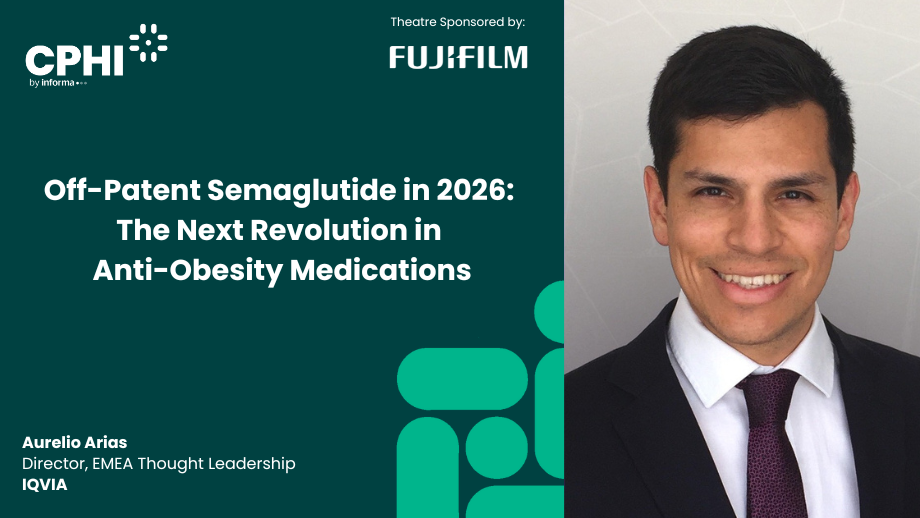
Industry Webinar Off-Patent Semaglutide in 2026: The Next Revolution in Anti-Obesity Medications
Semaglutide as Ozempic for Diabetes and Wegovy for weight-loss management, is the world’s second-best selling prescription medicine, with combined sales of $26bn in 2024 and growing annually at a staggering 40%.
In 2026, semaglutide faces loss of exclusivity in key markets, and is set to revolutionise the commercial and clinical landscape. In this session we will explore the implications for patient access, market dynamics, and treatment pathways where you gain a comprehensive understanding of how 2026 will shape the future of obesity treatments for years to come. -
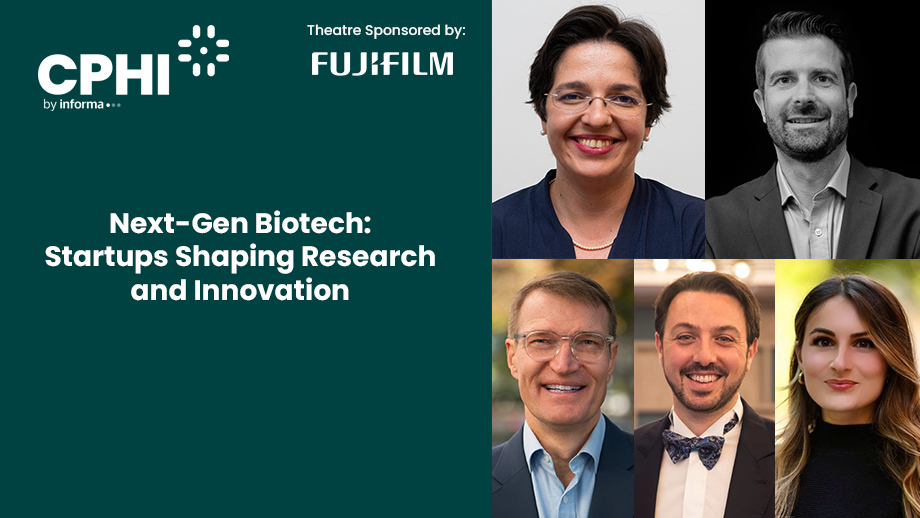
Industry Webinar Next-Gen Biotech: Startups Shaping Research and Innovation
The biotech research and development landscape is rapidly evolving, driven by advances in biology, technology, and data-driven innovation. This session brings together early-stage biotech innovators to explore how startups are transforming drug discovery, diagnostics, and therapeutic development. Panelists will share their experiences in navigating scientific challenges, translating research into practical applications, and fostering a culture of innovation in the lab. Attendees will gain insights into the current trends, challenges, and opportunities in the Bio R&D startup ecosystem. -
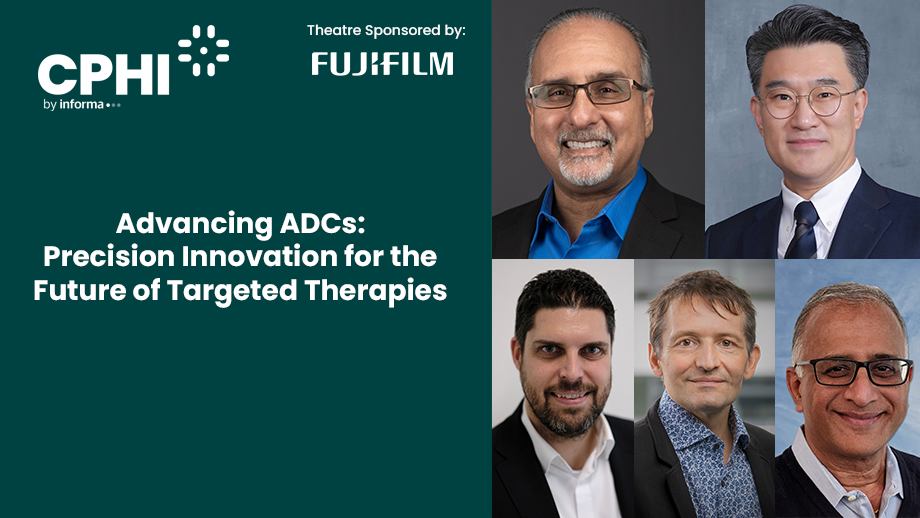
Industry Webinar Panel: Advancing ADCs: Precision Innovation for the Future of Targeted Therapies
Antibody-drug conjugates (ADCs) are transforming targeted therapy, offering greater precision and effectiveness in treating complex diseases. As the field evolves, innovations in linker technology, payload selection, and antibody engineering are driving the next generation of ADCs. However, challenges in stability, manufacturing, and market differentiation remain. This article explores the latest advancements shaping ADC development and how pharmaceutical companies are leveraging precision engineering to refine these powerful therapies for improved patient outcomes. -
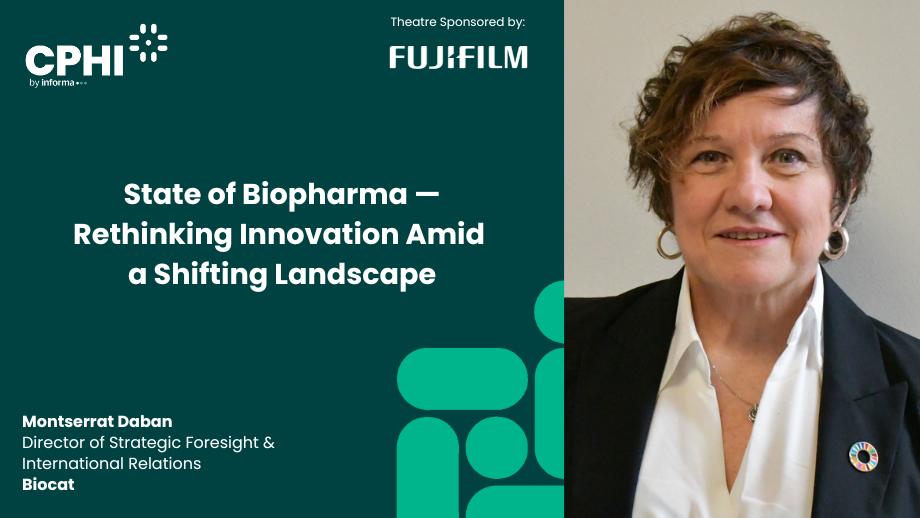
Industry Webinar State of Biopharma — Rethinking Innovation Amid a Shifting Landscape
The biopharma industry stands at a pivotal moment, facing converging pressures from scientific breakthroughs, regulatory transformation, and shifting economic realities. Traditional innovation models are being reshaped by AI-driven discovery, platform technologies, and health ecosystem integration. In Europe, the evolving Pharma Package and the forthcoming Biotech Act signal a renewed policy focus on competitiveness, resilience, and innovation sovereignty. Together, they redefine how therapies are developed, approved, and accessed. We will explore how industry and policymakers can co-create adaptive, mission-oriented frameworks that link science, regulation, and investment — ensuring Europe remains a global leader in translating breakthrough innovation into tangible health and societal value. -
Industry Webinar Panel: Redefining Bio-Manufacturing for a Faster, Sustainable Future
This panel will explore the evolving landscape of bio-manufacturing, focusing on the latest technological advancements, process intensification, and the growing sustainability focus. Our experts will discuss how these trends are shaping the future of biologics manufacturing and the challenges companies face in meeting demanding production timelines, including the impact of the 100-day challenge.
Key Discussion Points: Innovations in bio-manufacturing technologies and process intensification Lessons from automotive industries in optimizing manufacturing processes Addressing sustainability goals and the 100-day challenge in biologics production -
Industry Webinar Green to Scale: Plant-Based Polymer for Efficient Adherent Cell Manufacturing From Small to Large Scale
As demand for adherent cell culture expands across Cell and Gene Therapies (CGT) and Advanced Therapy Medicinal Products (ATMPs), sustainable and scalable solutions are critical to meeting future manufacturing needs. This session will explore how innovative bioprocessing approaches can reduce environmental impact while enabling closed and connected processing in automated and GMP-compliant workflows.
Key discussion points include: Trends and challenges in scaling adherent cell culture for CGT and ATMP manufacturing Design innovations and use of renewable materials to optimize process efficiency and reduce lifecycle carbon emissions Performance of emerging sustainable systems — with practical examples including stem cells and HEK293 cells for CGT and viral vector production Strategies to accelerate time-to-market while minimizing COGS and risks Learn how next-generation technologies like CellScrew® are driving cost-efficient, sustainable, and scalable solutions for the future of CGT and ATMP manufacturing. -
.png)
Industry Webinar Case Study: How to Pave the Road to African Manufacturing Equity?
In this session, presenters will discuss challenges and explore potential solutions associated with establishing robust and resilient vaccine manufacturing and supply chains in low- and middle-income countries (LMICs). While these regions face significant constraints in manufacturing capabilities and supply chain logistics, they also present unique potential for scaling up global vaccine manufacturing capacity and, therefore, achieving global health security, equitable access, and rapid response in outbreak situations.
Speakers will present on technical, infrastructural, and financial barriers that hinder vaccine manufacturing in LMICs, including limited technical know-how, lack of skilled workforce, and insufficient funding. We will also examine supply chain pain points for input materials and distribution of finished goods in these regions. Some of the successful case studies and innovative approaches being employed will also be presented, which addresses some of the challenges mentioned above. We look forward to active participation from Biologics manufacturers, vendors, policymakers, and multilateral organizations. -

Video Patient Safety: Ensuring Consumer Well-Being
Pharmacovigilance is not limited to adverse event reporting. Safety data reporting is the first step for detection and mitigation of new drug- related risks, identification of new opportunities to improve medicine and device safety profiles to ensure consumer safety worldwide, guarantee compliance with global and local regulations and increase the commercial interest of the pharmaceutical products. -
.png)
Video Panel: Safeguarding the Future of Medicine
Join our panel as we delve into the role of Critical Medicines Alliance (CMA) initiative that was set by the European Commission. The CMA serves as a consultative platform that unites relevant stakeholders from EU Member States, with its objective is to pinpoint essential areas and priorities for action, offering solutions to bolster the supply of critical medicines in the EU. -
.png)
Video Keynote: Securing Europe’s Pharmaceutical Independence
The European Union faces a growing challenge in securing its supply of essential pharmaceuticals. Currently, the majority of its active pharmaceutical ingredients (APIs) and finished medicines are imported from Asia, with China being the largest single supplier. This heavy reliance on external sources has raised concerns about the EU's resilience to supply chain disruptions, price volatility, and potential geopolitical risks. To address these concerns, the EESC have set about the Critical Medicines Act to help strengthen the EU's domestic pharmaceutical production capacity. -
.png)
Video Building the Future Pharma Workforce
Hear about the future of pharma from its current young leaders. Join this session featuring our Future Leader Award nominees as they share their insights on the industry's future and discuss strategies to cultivate the next generation of leaders. Discover how these young visionaries are driving change and shaping a more dynamic and sustainable future for the industry. -
.png)
Video Patient Safety in CDMO Operations: Leveraging Quality and Toxicology Synergies to Accelerate Manufacturing Pipelines
Even though it should be considered part of our everyday business, is it standard for multimodal CDMOs to truly operate with a holistic quality mindset, prioritizing the health and safety of both workers and patients? At FUJIFILM Diosynth Biotechnologies, quality and safety are two sides of the same coin, with our customers’ patients sitting at the interface of the two. Manufacturing biologically-derived drug substances require pushing the envelope on innovation while maintaining unprecedented quality delivery and meeting regulatory requirements. This mandates a synergistic relationship among safety, quality, and customer stakeholders, specifically in our new product introduction, risk assessment, and risk mitigation processes. This presentation will highlight the unique infrastructure FUJIFILM Diosynth Biotechnologies has built around safety operations and quality, with a focus on our new product introduction and patient risk assessments. The beginning of every drug substance’s manufacturing journey begins with a carefully crafted toxicology assessment and mitigation plan that is predicated on a strong customer mindset, optimizing operational efficiency and accelerating pragmatic risk management solutions. Whether it is an early phase gene therapy or commercial scale protein therapeutic, we partner with customers at every stage of their manufacturing journey to provide appropriate risk management solutions and protect the customers’ patients we ultimately serve. -
.png)
Video Navigating Nitrosamines: Strategies, Safety, and Supplier Impact
Understanding Nitrosamines: Exploring the presence, formation, and risks associated with nitrosamines in pharmaceuticals. Developing proactive strategies to mitigate nitrosamine risks throughout the supply chain. Implementing safety components and protocols to prevent nitrosamine contamination in drug products. -
Video Nutraceuticals: From R&D Innovation to Consumer-Driven Delivery Solutions
The role of nutraceuticals in healthcare is growing in prominence and R&D is fueling innovation across the sector to enhance the safety and therapeutic value of dietary supplements and nutraceuticals. Why tapping into the consumer market can help manage current delivery expectations; How can current formulation technology help develop new and sustainable products; How will AI impact the future of Precision Nutrition -
.png)
Video Panel: Excipient Excellence: The Power of Excipient Grade Selection
Understanding how excipient quality affects drug performance and stability Exploring the differences between excipient grades and their implications for formulation Strategies for ensuring consistent access to high-quality excipients Selecting the optimal excipient grade for targeted drug delivery. -

Video HPAPI Safety: Protecting Workers and Patients in Production
Highlighting common worker safety challenges and opportunities in HPAPI production What practices are required to ensure that workers are protected from highly potent toxins Why its essential to maintain initiatives in product quality, regulations and continuous improvement to help safeguard patient safety during HPAPI production -
.png)
Video Navigating Regulatory Landscapes: Ensuring Quality and Compliance in Pharma Ingredients
GMP principles in pharmaceutical ingredient manufacturing for ensuring consistent quality and safety Overview of auditing processes, including planning, execution, reporting, and follow-up actions, to ensure compliance and drive continuous improvement Comparative analysis of regulatory frameworks across key regions, focusing on differences, similarities, challenges, and strategies for ensuring compliance -
Video Fujifilm Activities for Liposome and Lipid Nanoparticle Development in the Pharmaceutical Industry
Fujifilm has been in the healthcare business since the early days of its 90-year history. Today, we provide CDMO services to help our partners develop innovative medicines in the field of biopharmaceuticals. In the field of lipid-nanoparticles (LNPs), Fujifilm's team of synthetic chemists has developed a proprietary library of ionizable lipids. Ionizable lipids are essential LNP components directly related to safety and efficacy. In this presentation, application data of the lipids will be presented. Liposome is a drug-delivery-technology that encapsulates small molecules in stable lipid nanocapsule particles. Even in the world of the 2020s, small molecules are still a promising modality for anticancer drug development. The design of small molecules for hard druggable targets has inherited significant difficulties in reconciling high affinity to targets with other properties: pharmacokinetics, biodistribution and safety. In this session, the presenter will discuss the potential of liposomes in advanced small molecule development and Fujifilm's capabilities. -
.png)
Video Why the Middle East Can Be the New Frontier for Next Generation Medicine
Join our panel of experts, where we delve into the new frontier in formulation development and how the pharma ecosystem in the Middle East are looking to shape next-generation development -
Brochure CMC Support Services
Your CDMO Partner Advancing Medicines Through Critical Milestones With Expert CMC Support Services -
Brochure Cell Culture Services
FUJIFILM Diosynth Biotechnologies is a leading provider of cell culture services for biologics, advancing and delivering life changing therapies. We offer complete solutions for cell line development, process development,late phase activities, clinical and commercial manufacturing of a wide variety of biopharmaceuticals. -

Brochure Cell Therapy Services
Your CDMO Partner Advancing Cell Therapies to Patients -

Brochure Drug Product & Finished Goods
End-to-end services designed for patient safetyand centricitywhile offering contracting convenience, cost efficiencies and time savingsOur globally integrated drug product (DP) and finished goods (FG) services offer agileand flexible solutions for clinical to commercial products. OurDP capabilities include aseptic filling in vials, pre-filled syringes or cartridges using state-of the-art isolator technologies,phase appropriate process development, formulation,stability and release testing of clinical and commercial products. Our FG capabilities include assembly, packaging and labeling lines in addition to storage capacity. -

Brochure Microbial Services
We are a world-leader in process development and cGMP manufacturing of proteins derived from a range of microbial hosts including E. coli, P. pastoris and S. cerevisiae . -

Brochure Gene Therapy Services
Our gene therapy process development and manufacturing capabilities are designed to confidently and rapidly progress your products from gene to market through development of robust and reproducible cGMP practices. -
Brochure Vaccine Services
We are an established leader in advancing vaccines from preclinical development to commercial supply across multiple modalities. -
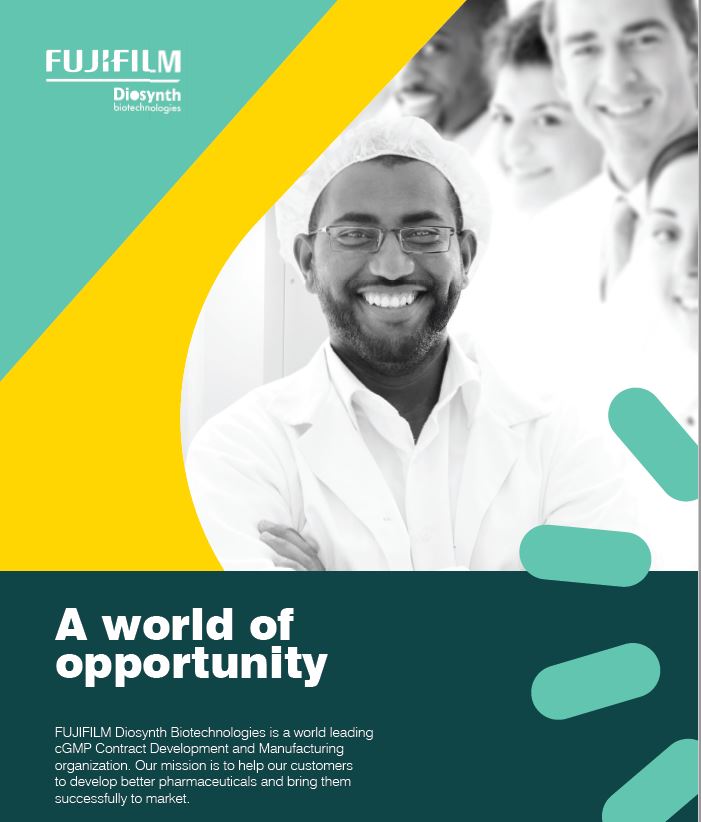
Brochure A World of Opportunity
"We’re looking for people who share our passion, drive, and energy – what we call Genki – to join our team"